Public enterprises Takatso Consortium SAA Mango
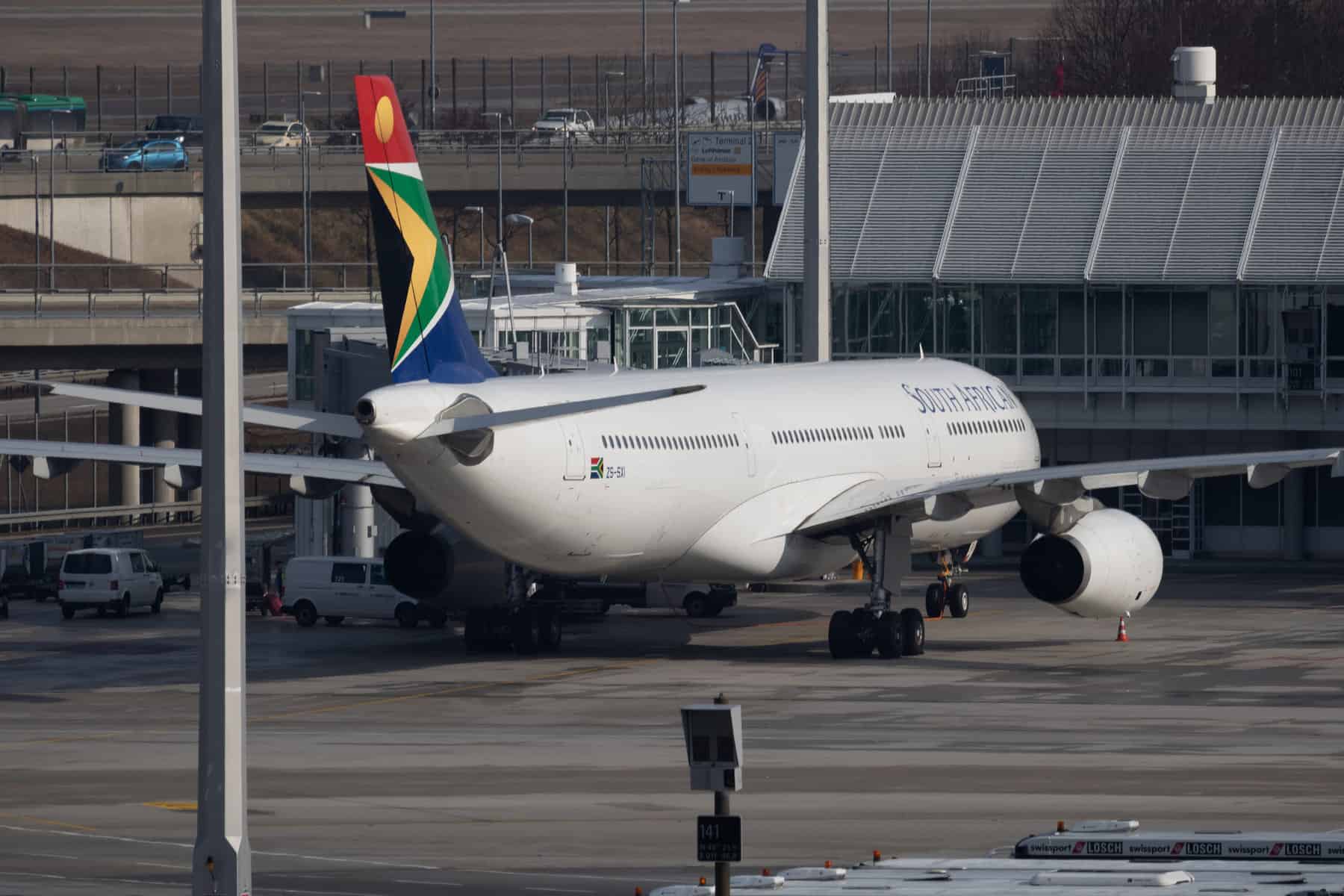
Public Enterprises Takatso Consortium SAA Airbus A330-300 parking and boarding at Munich Airport on 5 February 2018 Picture: iStock
Mamello Maila
Public Enterprises Minister Pravin Gordhan has made a major announcement regarding the South African Airways (SAA) deal with strategic equity partner Takatso. The Minister has terminated the deal, which is a significant setback to President Cyril Ramaphosa’s ambitious privatization agenda. This decision highlights the challenges of navigating such endeavors within the governing ANC party.
Gordhan announced the cancellation of the transaction after a cabinet meeting. He explained that there was no clear direction for the deal to proceed. The value of SAA was re-evaluated in the post-COVID market, which resulted in a new assessment that exceeded Takatso’s initial offer of R3 billion. This made the deal unworkable.
The failure of the SAA-Takatso agreement highlights the difficulties involved in privatizing state-owned companies (SOEs) during times of political and economic uncertainty. President Ramaphosa‘s plan to privatize SOEs is intended to improve efficiency and attract investment. Nevertheless, it is encountering resistance from various sources, including within the ANC.
SAA has had a troubled past marked by financial mismanagement and operational inefficiencies, which has made the privatization of the company a highly debated topic. The collapse of the Takatso deal raises concerns about what lies ahead for SAA and the broader agenda of reforming state-owned enterprises in South Africa.
Furthermore, the cancellation of the agreement has consequences that extend beyond the aviation industry. It also has significant implications for President Ramaphosa’s economic reform initiatives. This setback highlights the importance of implementing thorough strategies that not only tackle the structural issues within state-owned enterprises but also navigate through the complexities of political sensitivities.
Critics state that the cancelation of the agreement reveals more profound issues within the governance of state-owned enterprises and emphasizes the requirement for comprehensive reforms that can increase transparency and accountability. Additionally, it emphasizes the significance of creating a supportive environment that can encourage private sector involvement in vital sectors of the economy.
To ensure a sustainable future for SAA and to promote broader economic reforms, stakeholders must engage in constructive dialogue. This requires addressing concerns about governance, competition, and market dynamics, while also adopting an inclusive approach that garners support from diverse stakeholders.
About the Author