SASSA GRANT
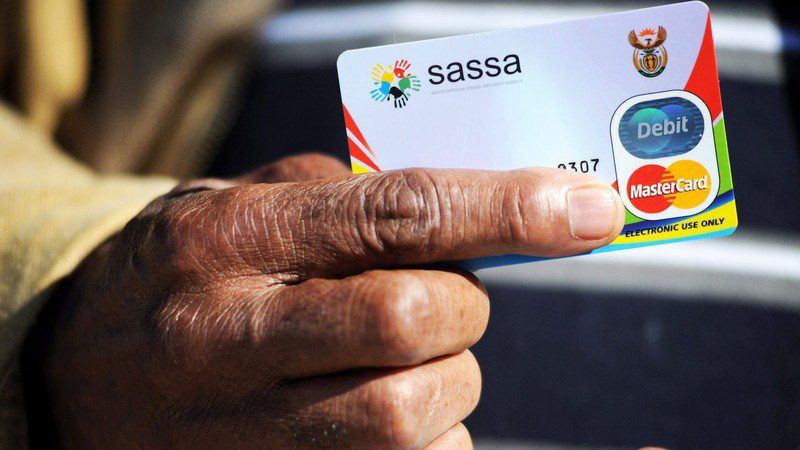
A Sassa debit card. Picture courtesy: David Ritchie.
Anda Mbaliso
Starting from April 1st, South Africa will witness an increase in its social relief grants, which is a crucial step towards supporting vulnerable populations nationwide. In Parliament, Finance Minister Enoch Godongwana announced that the social relief of distress grant will be increased significantly by R20 or 5.7%. This adjustment is in response to President Cyril Ramaphosa‘s commitment to “extend and improve” the grant, echoing his sentiments from the February State of the Nation address.
The Social Relief of Distress grant was introduced in May 2020 to help the poorest of the poor during the pandemic’s lockdown. Its criteria have been refined to include only those with no income. About 9 million people benefit from this grant, with R33.6 billion allocated for its implementation. The ANC government plans to establish a permanent basic income grant to address poverty and inequality.
The old age grant will receive a boost of R90, bringing it to a total of R2,185, with a further R10 increase expected in October. Similarly, the child support grant will rise by R25 to a new total of R530, and the disability grant will increase by R100 to R2,815. These adjustments are aimed at alleviating financial strain during challenging times and providing relief to those in need.
In South Africa, the government provides social grants to approximately 26 million people every year, which amounts to R266 billion. These grants are essential in fighting poverty and providing necessary support to those who require it. With social relief grants set to increase, the government aims to ensure that vulnerable populations receive adequate support, particularly during the economic challenges caused by the COVID-19 pandemic.
The South African government has recently increased social relief grants to show its support for the country’s most vulnerable citizens. These adjustments aim to provide additional financial assistance and resources to alleviate hardship and promote social and economic well-being throughout the country. With the ongoing challenges of the pandemic and its aftermath, it is essential to ensure that essential support services are accessible to everyone to build a more resilient and inclusive society.
About the Author