GettyImages 2105007519
GettyImages-2105007519.webp
Phetolo Sematha
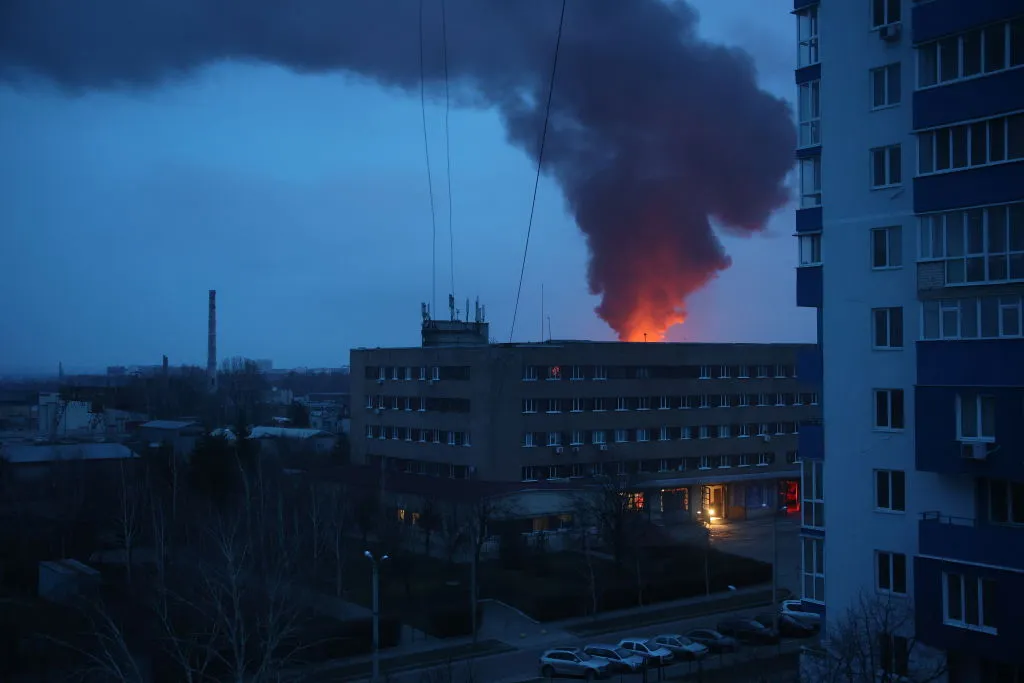
In the Russia-Ukraine War, Russia has increased its aggression by attacking Ukraine’s vital energy infrastructure. They claimed it was a response to recent attacks on Russian soil, but the consequences were devastating. Ukrhydroenergo CEO Igor Syrota reported that over 60 drones and 90 missiles caused significant damage, taking out more than 20% of Ukraine’s power generation capacity.
Several power plants were destroyed, crippling Ukraine’s power generation capacity, leaving 1.2 million Ukrainians without electricity, resulting in significant disruptions. Russian forces unleashed a massive barrage of missiles and drones on Ukraine’s energy infrastructure on targeted key locations including cities such as Kharkiv, Zaporizhzhia, Sumy, Poltava, Dnipropetrovsk, Odesa, Khmelnytskyi.
EL PAIS USA, reported that, Zaporizhzhia regional gov. Ivan Fedorov shared that three people were killed and at least eight injured in the attack. According to the International Affairs Ministry, two people died in the Khmelnytskyi region.
Ukraine’s largest private energy firm, DTEK, has been at the forefront of Russia’s attacks. The Guardian reported that DTEK’s head shared that five out of six plants have suffered damage or destruction, resulting in an 80% loss of generating capacity. These attacks have persisted for over two weeks, leaving the company in dire straits.
Ukrainian President Volodymyr Zelenskyy condemned Russia’s actions, describing them as “vile strikes” aimed at causing the “bleeding” of Ukrainian energy. He emphasized the severity of the situation and the urgent need for repairs. DTEK estimates that restoring the damaged plants could take up to 18 months.
The implications of Russia’s actions are far-reaching. By targeting Ukraine’s power supply, Russia not only destabilizes Ukraine but also sends a chilling message to the world about the vulnerability of critical infrastructure. This has prompted a strong response from the international community, underscoring the importance of global cybersecurity.
This issue has far-reaching implications for international relations and global energy security. As the situation continues to evolve, it will be crucial for the international community to respond effectively to ensure the protection of critical infrastructure and maintain regional stability. As one expert put it, “Addressing this ongoing threat will be crucial for maintaining regional stability and ensuring the security of global energy supplies.”
About the Author