mmerson mnangagwa 1
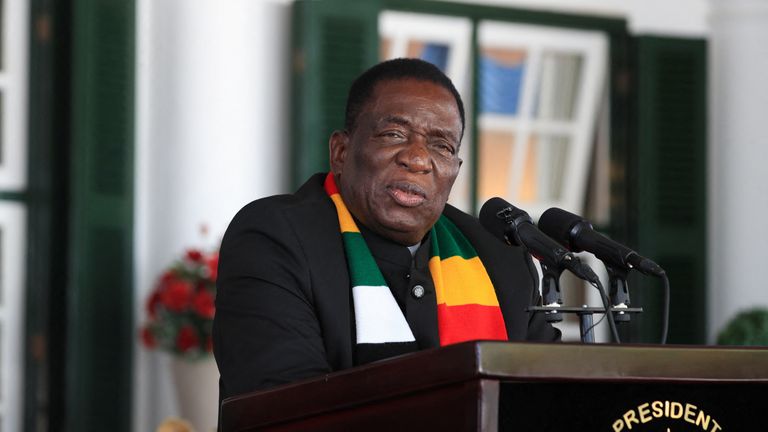
President Emmerson Mnangagwa (Reuters)
(The Post News) – The devastating effects of El Niño persist in the Southern African region as Zimbabwe announces a drought-induced state of disaster, joining Malawi and Zambia as the third country in the SADC region to declare a disaster this year.
On Wednesday, 3 April, President Emmerson Mnangagwa officially declared the state of disaster caused by severe dry spells felt across the country. He emphasized that Zimbabwe would require over $2 million in humanitarian assistance to combat the increasing levels of hunger due to widespread crop failure directly linked to the greatly affected availability of water and electricity generation.
“Preliminary assessments show that Zimbabwe requires in excess of $2 billion towards various interventions we envisage in our national response,” Mnangagwa stated.
In an effort to mobilize resources and prevent the threat of starvation, he called upon various members of the Zimbabwean diaspora and United Nations agencies, among others, to donate towards helping the country face this intense time.
According to Mnangagwa, 80% of the country has received dismal levels of rain thus far, affecting more than 2.7 million people who will likely starve this year. Since November, the majority of provinces in Zimbabwe have encountered crop losses, particularly in hotter regions where crops like maize have been deemed unproductive.

El Niño, a naturally occurring meteorological phenomenon linked with the disturbance of wind patterns, resulting in elevated ocean surface temperatures in the eastern and central Pacific regions, has also caused significant damage to Ivory Coast and Ghana’s cocoa production. West Africa’s biggest cocoa producers are facing an increase in plant disease and pests, leading to crop failure, which has resulted in a sharp incline in chocolate prices globally.
It is predicted that El Niño will lead to substantial rainfall and floods in the upcoming months, increasing the potential for malaria and other illnesses. Furthermore, the scarcity of water caused by the drought has compelled numerous individuals to resort to unsafe water reservoirs, exacerbating cholera outbreaks that are already affecting multiple countries in southern Africa.
The president asserted that no citizen will die from hunger. However, the situation seems extremely dire, especially when factoring in the importation of maize, which will result in the incline of prices for grain products, further affecting those already struggling to afford it.
About the Author