Banner
Picture Courtesy: Gallo Images / Beeld / Deaan Vivier
Thato Phala
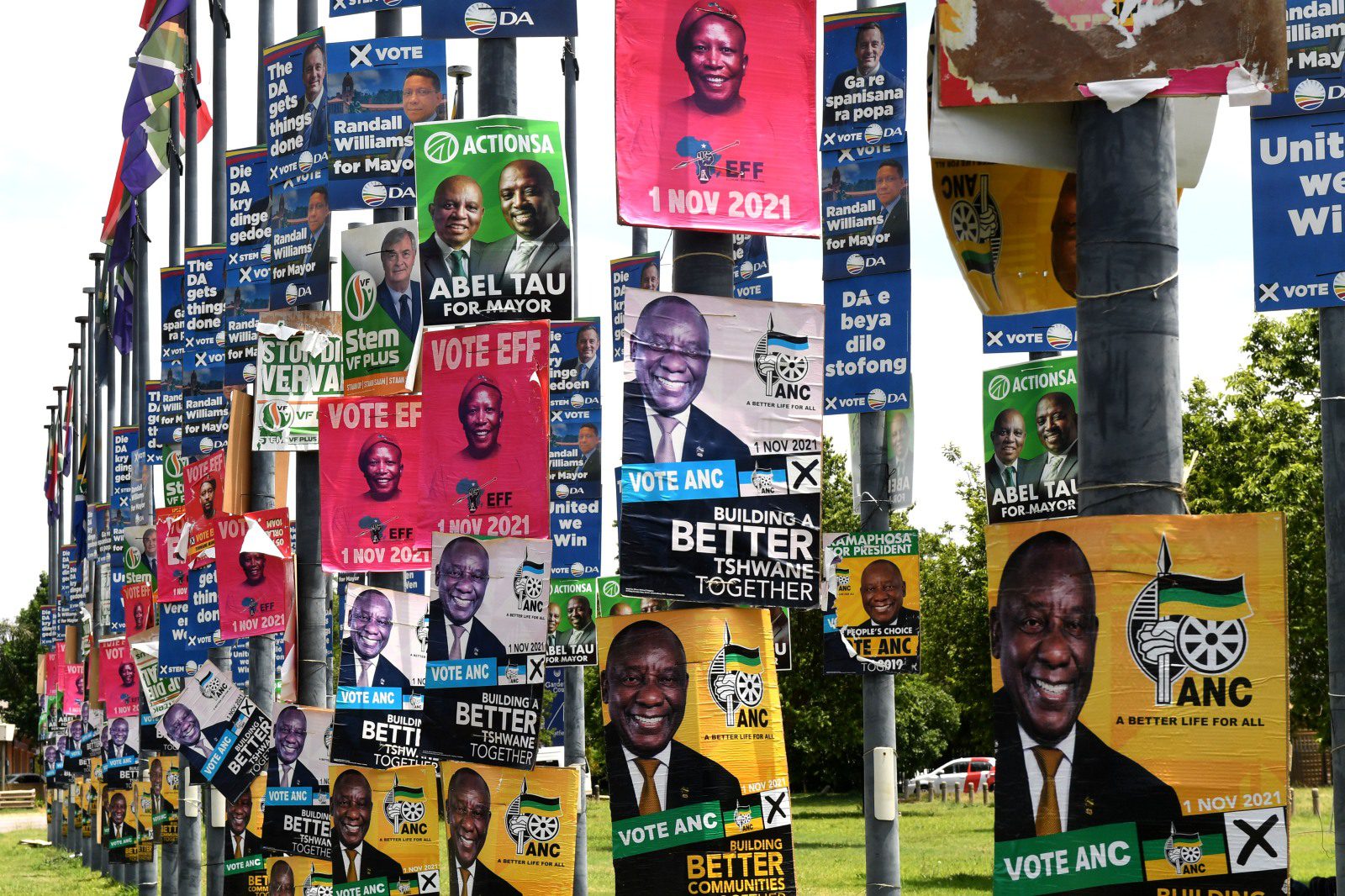
(The Post News) – As South Africa celebrates thirty years of democracy, the country finds itself at a critical point, with upcoming elections that will determine the future of its political landscape.
Despite being a democratic milestone, there is a concerning lack of civic engagement and understanding among the general public. Voter turnout remains low, and people have a strong distrust of institutions and elected officials. Additionally, there is a growing inclination towards radicalism and authoritarianism, which poses a significant threat to the democratic fabric of the nation.
Central to this issue is the fundamental concept of civic education. Democracy flourishes not solely through the presence of democratic institutions, but through the active engagement and informed choices of its citizens. It is a system crafted to empower individuals, nurture inclusivity, and mitigate the misuse of authority.
Yet, despite its importance, civic education in South Africa continues to be overlooked within the educational framework. Studies led by Professor Juliana Smith and Dr. Agnetha Arendse expose a deficiency in the comprehension of active citizenship among high school students, emphasizing the pressing necessity for extensive civic education endeavors.
The implications of this educational shortfall are significant. Without a firm grasp of democratic principles and civic duties, citizens lack the necessary tools to participate meaningfully in the democratic process. The failure to integrate civic education into the formal school curriculum, along with limited opportunities for practical application beyond the classroom, compounds this issue, ultimately leading to the gradual erosion of democratic values over time.
As Nelson Mandela famously said, “Education is the most powerful weapon with which to change the world.” It is incumbent upon the government to recognize the importance of civic education and prioritize its inclusion in the national curriculum. By equipping citizens with the knowledge and skills necessary for active citizenship, South Africa can safeguard its democratic future and ensure that the legacy of the past three decades endures for generations to come.
The lack of civic education is a major risk to the integrity of South Africa’s democracy. To counter this problem, we must address the educational gap and provide citizens with the necessary tools to actively engage in the democratic process. By doing so, we can lead the country towards a stronger and more inclusive democracy, where citizens are well-informed and actively involved.
About the Author