IMG 20240508 WA0017
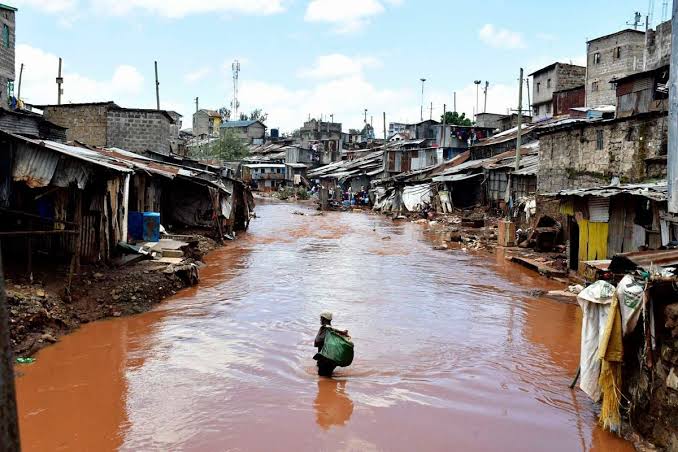
Picture Courtesy: (Daily Nation) Cholera Cases in Kenya Rise Rapidly Amidst Flooding Crisis.
(The Post News)– A growing health challenge is facing Kenya as the number of cholera cases has risen in recent weeks. The increase in these cases is occurring amidst a flooding crisis that has been getting worse since heavy rains began pouring in different parts of the country, which has significantly impacted the availability of clean water and sanitation.
The World Health Organisation is collaborating with Kenyan authorities and other organisations to supervise and address health issues caused by the flooding in Kenya. The rain led to the overflow of dams and rivers where people reside, especially in rural areas where access to clean water is very limited.
Health officials are emphasising the fact that overpopulation in these areas, including displaced families, will worsen the spread of the water-borne disease, which could lead to fatal dehydration and diarrhoea. According to Dr. Puis Mutuku, a medical epidemiologist in the Ministry of Health, forty-four cholera cases have been reported in Tana River County, which is one of the affected areas during the floods. The government of Kenya mounted an emergency response in multiple sectors, led by the Kenya Disaster Emergency Operations Centre in Nairobi.
Efforts to contain the outbreak are underway, and challenges regarding damaged infrastructure and resources are acknowledged. The impact of the floods caused not only the displacement of families and damaged infrastructure but also the closure of 14 health facilities in Kenya. The impact of the flooding extended beyond the Tana River, affecting about a quarter of a million civilians across the country, along with 238 reported deaths. Local hospitals report that there is an overwhelming number of patients seeking medical attention and showing symptoms of cholera.
With limited resources to provide necessary care for patients, the health facilities are also overwhelmed. Warnings by health officials about the looming crisis of cholera have been issued if not treated accordingly. This leads health providers to focus on rapid treatment and hydration for those affected, work on safety measures to access clean water, and encourage hygiene practices. The World Health Organisation is committed to supporting Kenya’s emergency by distributing kits to different counties in the country to treat approximately 10,000 people.
More rainfall is predicted in Kenya, leading to an immediate need for sustained infrastructure, humanitarian aid, and health interventions for the public to prevent further infections in the vulnerable population across Kenya.
About the Author