IMG 2732
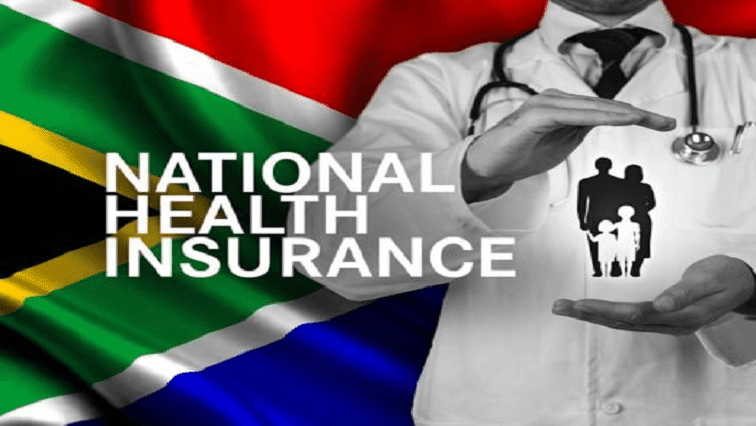
President Ramaphosa, on the verge of signing the NHI Bill, faces a nation divided by hope and skepticism. Picture courtesy: (SABC-News-National-Health-Insurance-Twitter-@PMG_SA-1)
(The Post News) Today, at 2 pm, President Cyril Ramaphosa will sign the National Health Insurance (NHI) Bill into law. The signing will take place at the Union Buildings in Pretoria. This significant event not only signifies the completion of a careful legislative process but also represents a major stride in our country’s efforts to achieve fair and accessible healthcare. Please join us in celebrating this important milestone towards eliminating the obstacles that have impeded equal healthcare for everyone.
The NHI Bill has passed through the National Assembly (NA) and the National Council of Provinces (NCOP). Its goal is to offer complete healthcare services to all South Africans, without any cost at the time of receiving care. This ambitious policy aims to bring together the public and private sectors, making sure that every citizen, regardless of their financial situation, can access high-quality healthcare services.
The bill’s passage has not been without controversy, with fierce debate surrounding its implications for the private medical industry and the state’s capacity to manage such a vast undertaking Despite the controversies, the government has pressed forward, with Health Minister Dr. Joe Phaahla stating, “The NHI Bill will be implemented in phases, with a clear roadmap leading to 2028. We are strengthening our healthcare system’s infrastructure, benefits design, and digital capabilities to ensure a smooth transition.”
Experts have dismissed the signing as ceremonial, questioning the government’s capacity to fund and manage the ambitious program. “The NHI Bill is a bold vision, but without clear plans for funding and governance, it risks becoming an empty promise,” cautioned Dr. Thabo Dlamini, a health economist.
Critics argue that the NHI bill, in its current form, is fraught with constitutional and practical challenges. Business Unity South Africa (Busa) CEO, Cas Coovadia, expressed deep concerns, labeling the bill “unworkable and unaffordable.” He warned, “This could be detrimental to the healthcare sector, the economy, and investor confidence.”
Legal challenges are being prepared by multiple organizations to contest the constitutionality of the bill. Dr. Katlego Mothudi, the managing director of the Board of Healthcare Funders, expressed support for universal health coverage but also emphasised the need to ensure the long-term sustainability of the healthcare sector.
Economists and tax experts are worried about the feasibility of this model. They argue that the numbers don’t make sense. A Johannesburg-based economist from a think tank cautioned that the plan could put excessive pressure on taxpayers and destabilize the healthcare sector.
The bill’s financial implications have also been a point of contention. Reports suggest that the NHI could introduce a tax of R1500 a month on every employed individual in South Africa, raising questions about the economic viability of such a system.
All eyes are on President Ramaphosa as he prepares to put pen to paper, sealing the fate of a bill that holds the promise of a healthier tomorrow, yet also carries the weight of potential discord in our already divided society. Will the NHI Bill be the beacon guiding us towards a new dawn in healthcare, or will it ignite a legal storm, leaving the fate of this crucial legislation hanging in the balance for years to come?
About the Author