IMG 20240522 WA0001
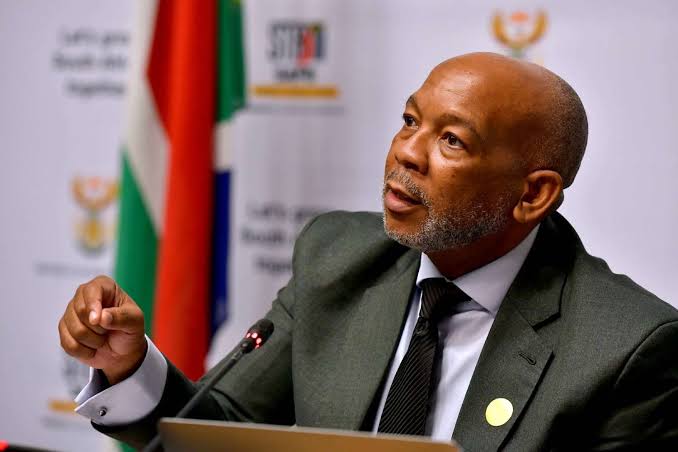
Picture courtesy: (GCIS/FFlickr) Minister of Electricity Kgosientsho Ramokgopa remarks the court’s ruling to exempt public institutions from loadshedding.
The court’s decree, which mandates uninterrupted power supply to critical public spaces, has sparked a debate on the sustainability of such measures.
The Gauteng High Court’s verdict, which emerged from a case filed in December 2023 and deemed load-shedding a violation of constitutional rights, has put the government in a tight spot.
The ruling requires Eskom, the national power utility, to ensure an uninterrupted power supply to essential services like public health facilities and schools or provide them with generators.
“An expensive and unsustainable path,” Ramokgopa cautioned, addressing the media after the court’s verdict and expressing the government’s concern over the practicality of the court’s expectations.
Ramokgopa hinted at the financial and logistical challenges of providing alternative power sources to these institutions.
The government is currently seeking legal advice within the Presidency on the verdict, with the possibility of appealing to the Supreme Court of Appeal.
Ramokgopa stated that he needs clarity on the judgement’s execution, emphasising the need for a solution that aligns with the nation’s long-term energy strategy. He also noted that it is something he is leaving to the lawyers and will wait for their advice.”
Despite the legal conundrum, Ramokgopa celebrated the country’s progress, noting that Monday, May 20 marked 54 days without load shedding, attributing this achievement to the dedication of leadership and intensive maintenance carried out by Eskom.
The minister’s remarks come at a time when South Africa has been grappling with the energy crisis, with load shedding being a common occurrence due to the ageing infrastructure and financial woes of Eskom.
The recent ruling adds another layer of complexity to the already strained energy sector.The court’s decision is seen as a victory for the rights of citizens, ensuring that critical services are not hindered by power cuts.
However, it also poses a significant challenge for the government, which must find a way to comply with the ruling without incurring excessive costs.
About the Author