IMG 20240526 WA0002
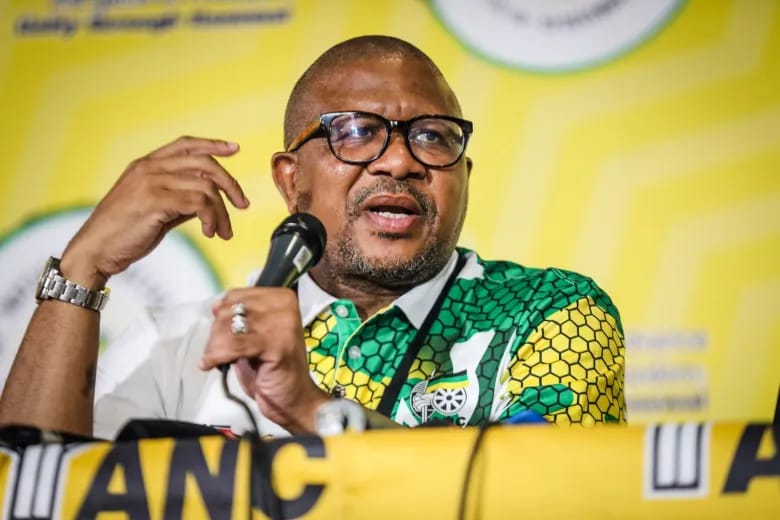
Picture courtesy: (@MbalulaFikile (X)) The NPA’s decides to not prosecute Fikile Mbalula over the funding of his family trip in Dubai .
(The Post News)- The National Prosecuting Authority (NPA) has decided not to prosecute Fikile Mbalula, the former Minister of Sports and Recreation, over allegations of a R680,000 family trip to Dubai.
This decision comes despite the findings of the findings of the former Public Protector, Busisiwe Mkhwebane, which suggested potential financial misconduct.
Mkhwebane is now an Economic Freedom Fighters (EFF) Member of Parliament.
The case in question dates back to 2016, when Mbalula, then the Minister of Sports, Arts, and Culture, took his family on a lavish holiday to Dubai. It was later revealed that the trip was funded by Sedgars Sports, a supplier to the South African Sports Confederation and Olympic Committee (SASCOC), raising questions about the legality of the funding.
However, Mkhwebane’s investigation questioned the legality of the transaction, particularly the R150,000 cash payment made to a travel agent, which she argued might violate financial intelligence laws.
“It was shocking to discover that the National Prosecuting Authority decided not to prosecute because there was evidence, which we relied on as the Public Protector, that Mbalula received that free donation, which he later turned into a loan,” Mkhwebane stated in an interview with Newzroom Afrika.
The former Public Protector’s report, released on December 19, 2019, recommended that the NPA investigate the allegations that Sedgars Sports funded the Mbalula family holiday.
Despite this, the NPA spokesperson in Gauteng, Lumka Mahanjana, announced last year that they would not be prosecuting Mbalula over the allegations of money laundering.
The NPA’s decision has been met with criticism from various quarters, including AfriForum’s private prosecution unit, which has taken steps to privately prosecute Mbalula.
Barry Bateman, AfriForum’s spokesperson, expressed that the evidence suggests “collusion between witnesses and the SAPS; a failure to obtain statements from important witnesses and possible suspects; a failure to obtain valuable records and data; and poor cooperation between the SAPS and prosecutors.”
The controversy surrounding the NPA’s decision not to prosecute highlights the ongoing challenges in South Africa’s fight against corruption and the enforcement of accountability among public officials.
As the story unfolds, the public eagerly awaits further developments and clarity on the matter.
About the Author