IMG 20240531 WA0001
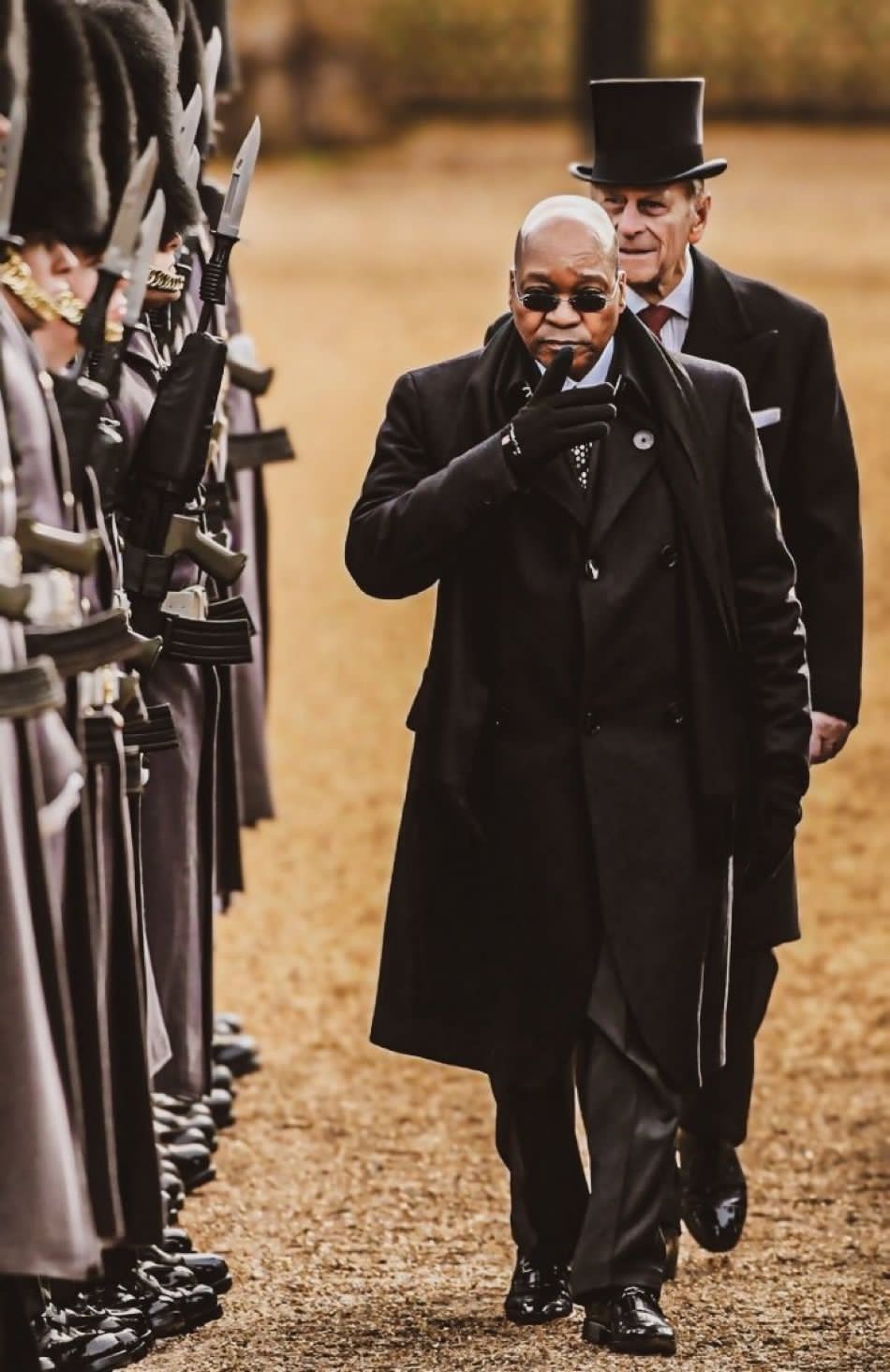
Picture courtesy: (@Praise Global (X)) Former President Jacob Zuma celebrates IEC’s preliminary results indicating a surprising lead for the MK Party in the 2024 elections.
(The Post News)- Former South African President Jacob Zuma’s uMkhonto weSizwe Party (MKP) has surged ahead, overtaking Julius Malema’s Economic Freedom Fighters (EFF) to claim third place in the fiercely-contested KwaZulu-Natal (KZN) province. With the counting process underway, the party has already secured a substantial number of votes, challenging the traditional dominance of established political entities.
With 946 of the 4,974 voting districts accounted for, the MK Party has garnered a staggering 43.75% of the vote, outpacing the ANC’s 21.49% and the IFP’s 19.09%. This early lead marks a potential shift in the political landscape of the nation, which has been dominated by the ANC since the end of apartheid. The MK Party, a newcomer to the political scene, has campaigned vigorously on a platform of change and renewal.
The party’s rise has been attributed to a combination of public dissatisfaction with the status quo and a charismatic leadership that has resonated with many voters seeking change. The electoral landscape in KwaZulu-Natal has been dramatically reshaped as the MK Party received over 100,000 votes, placing it in a strong position within the province. This development has sent ripples through the political scene, with the ANC Chairperson Gwede Mantashe expressing surprise at the MK Party’s performance and reaffirming the ANC’s confidence in securing over 50% of the vote.
As the counting continues, the CSIR has projected a significant drop for the ANC, estimating a final tally of 42% for the ANC, 22% for the DA, and an impressive 12.8% for the MK Party. This forecast, however, comes with a caveat, as Prof. Pravesh Debba of the CSIR notes the challenges in predicting outcomes for new parties like the MK, which lack historical data for comparison.
The counting process, however, is far from over. With 98 voting stations in the Ethekwini Metro and the Ugu district still in the midst of counting, the final numbers could tell a different story. The IEC has been transparent about the challenges faced, with long queues and a high voter turnout stretching resources thin.
The final results of the elections are eagerly anticipated, with the IEC expected to release them by Sunday, marking the culmination of a process that has captured the attention and imagination of the nation. The days ahead will reveal not only the numerical outcomes but also the deeper implications for South Africa’s democracy and its path forward.
About the Author