IMG 20240614 WA0000
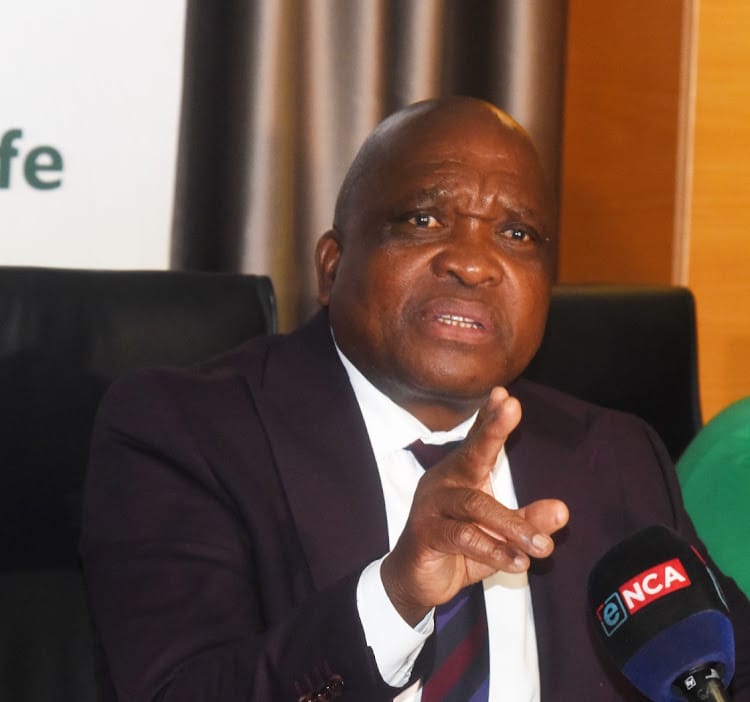
Picture courtesy: (TimeLive/Freddy Mavunda) Health Minister Joe Paahla says South Africa is trying to obtain vaccines for Mpox, formerly known as monkeypox.
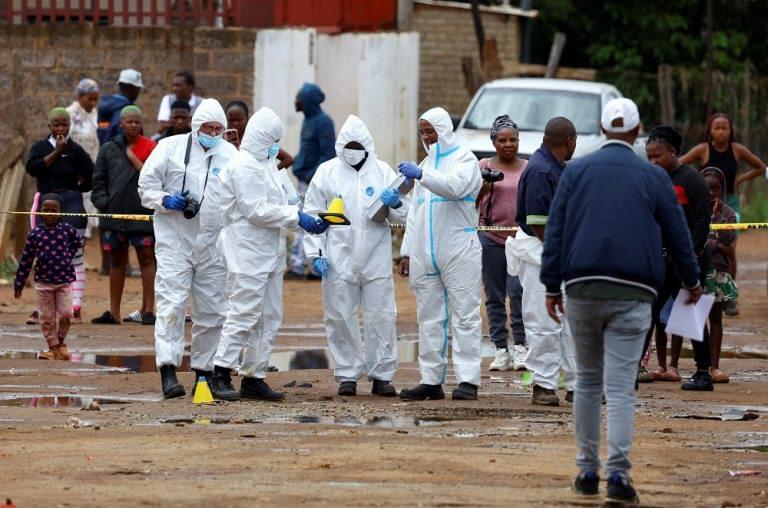
(The Post News)– A 35-year-old man died in Tembisa Hospital on Monday, June 10, becoming South Africa’s first recorded death from Mpox.
Following this first Mpox-related death, the Department of Health is considering administering the Mpox vaccine to high-risk groups both before and after exposure.
Health Minister Joe Phaala said the department is considering which populations should be targeted.
South Africa is trying to procure vaccines from World Health Organization (WHO) member countries, whose supplies exceed the country’s demand, and from the international vaccine organisation Gavi.
The National Advisory Group for Immunisation said it is considering administering the Mpox vaccine before and after exposure to high-risk populations, including sex workers, men who have sex with men (MSM), healthcare workers and laboratory workers.
Phaala spoke to the media on Wednesday, June 12 about the Mpox outbreak and efforts to contain its spread.
He said the crucial measures remain risk communication and community engagement, including addressing high-risk groups without discrimination to avoid stigma.
“We are also reaching out to organisations working with the HIV programmes and critical populations such as the MSM to reach their members as they fall under the category of people at risk.”
“The stigma issue is a matter we are trying to manage carefully so as not to worsen it,” he said.
Phaahla emphasised the importance of identifying people at risk, stating, “Those who are part of populations at risk should not hesitate to seek help, particularly when they experience symptoms.”
South Africa has recorded five laboratory-confirmed cases and one death in Thembisa, Gauteng.
All cases are men aged 30-39 with no travel history to any country affected by the outbreak. This suggests there is localised transmission of Mpox in South Africa.
“All five cases were classified as severe according to the WHO definition requiring hospitalisation. The cases have comorbidities and have been identified as key population (MSM),” he said.
The National Institute for Communicable Diseases (NICD) is conducting epidemiological and surveillance activities to identify cases for investigation and estimate the extent of the disease through systematic data collection and analysis.
Phaala said the KwaZulu-Natal outbreak response team had identified 38 contacts.
These include 16 household contacts, 10 hospital contacts, five partners/sexual partners, and seven friends. One of the cases reported sexual contact with multiple partners, both male and female.
“Regarding a case notified on May 8 in Gauteng, seven contacts have been followed up for 21 days and none showed any signs or symptoms of Mpox,” he said.
Following the report of a case on June 7, a list of identified contacts has been developed and they will be monitored for symptoms for 21 days.
The provinces have communicated cases that meet the definition of suspected Mpox to their Notifiable Medical Condition (NMC) system.
The outbreak response team of experts from the health department, provinces, NICD, WHOand other health sector stakeholders has begun contact tracing and case finding in the affected areas.
About the Author