IMG 20240627 WA0014
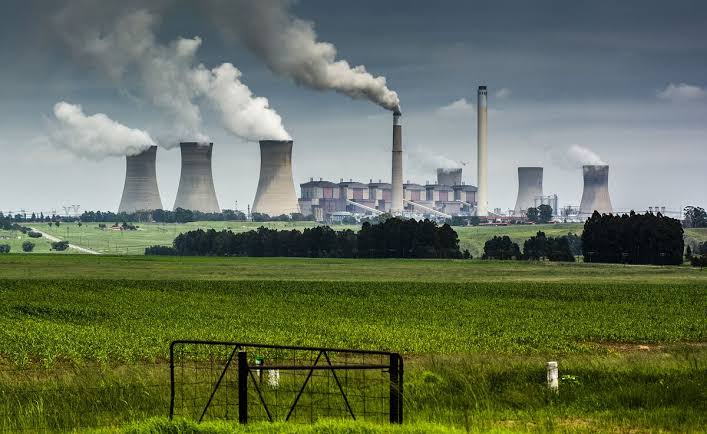
Picture courtesy: (Waldo Swiegers/Bloomberg): Eskom’s power plants at dusk – a symbol of South Africa’s ongoing energy challenges and its quest for a sustainable future.
(The Post News)- South Africa stands at a critical juncture in its energy transition journey as it navigates the complex interplay between securing climate finance and ensuring energy stability.
The nation, which generates approximately 80% of its electricity from coal, faces the daunting task of transitioning to a greener economy while grappling with the immediate challenges posed by Eskom’s energy crisis.
The Just Energy Transition Partnership (JETP), established in 2021, a pact South Africa entered with some of the world’s wealthiest nations, promised $9.3 billion in loans, grants, and guarantees to aid the country in reducing its reliance on coal.
However, this promise is under threat as Eskom delays the decommissioning of coal-fired power plants, risking the loss of crucial international support.
The postponement of shutting down Grootvlei, Hendrina, and Camden power stations until 2030 has raised concerns among JETP partner nations, who are closely monitoring South Africa’s commitment to rapid decarbonisation.
“The worst power cuts on record last year prompted Eskom Holdings SOC Ltd., the state power utility, to delay shutting down the facilities,” reports Bloomberg.
The National Environmental Consultative and Advisory Forum warned, “They are unlikely to tolerate a significant reversal of the plans,” referring to the JETP partner nations’ stance on South Africa’s energy policy.
Environment Minister Barbara Creecy faced a tough decision when Eskom appealed to keep power plants capable of producing 16 gigawatts of electricity open, despite breaching emission limits.
Ultimately, she granted exemptions until 2030, accepting the recommendation that retrofitting the oldest plants with equipment to reduce pollution was impractical.
The looming question of load shedding i one that still hangs over the nation.
Recent reports indicate that load shedding has been halted for 86 consecutive days, with Eskom stating that this suspension will persist until further notice. This period of relief follows concerted efforts to enhance the dependability and consistency of the coal generation fleet.
However, Eskom warns that severe electricity generation shortages are expected throughout 2024, indicating that South Africans should brace for severe load shedding, at least at stage 2, at regular intervals.
The implications of losing the pledged billions are far-reaching. Not only does it threaten the country’s transition to a greener economy, but it also puts at risk the potential for triggering further investment from partners, which could amount to an additional $2 billion.
South Africa’s energy security concerns are valid, yet they must be weighed against the urgent need for environmental sustainability and adherence to international commitments.
About the Author