IMG 20240709 WA0011 scaled
The DA has urged the City Council to reconsider or scrap the fee entirely, while Mayor Gwamanda insists on the necessity of the charge for the city’s infrastructure and financial health.
(The Post News)- The City of Johannesburg, South Africa’s largest metropolis, is embroiled in a financial and legal tussle with Eskom, the country’s main electricity supplier.
At the heart of the matter is a staggering R1-billion debt owed to Eskom, which has led to a court order mandating immediate payment by the city’s utility, City Power.
This situation has sparked widespread concern among residents, who fear the repercussions of this debt on their financial obligations and the potential exploitation by the city to cover the shortfall.
The High Court’s recent ruling ordering the City of Johannesburg and City Power to settle their outstanding Eskom account to the tune of R1.073 billion has sent ripples through the community.
This decision comes at a time when residents are already feeling the pinch, with Eskom’s tariff increase of 12.72% which took effect from July 1, 2024, as approved by the National Energy Regulator of South Africa (Nersa).
The increase is part of a broader tariff restructuring that Eskom has been considering, to address financial challenges and ensure the sustainability of its electricity supply.
The city’s approach to resolving its debt has been criticised by some as exploitative, with accusations that it unfairly shifts the financial responsibility onto its citizens.
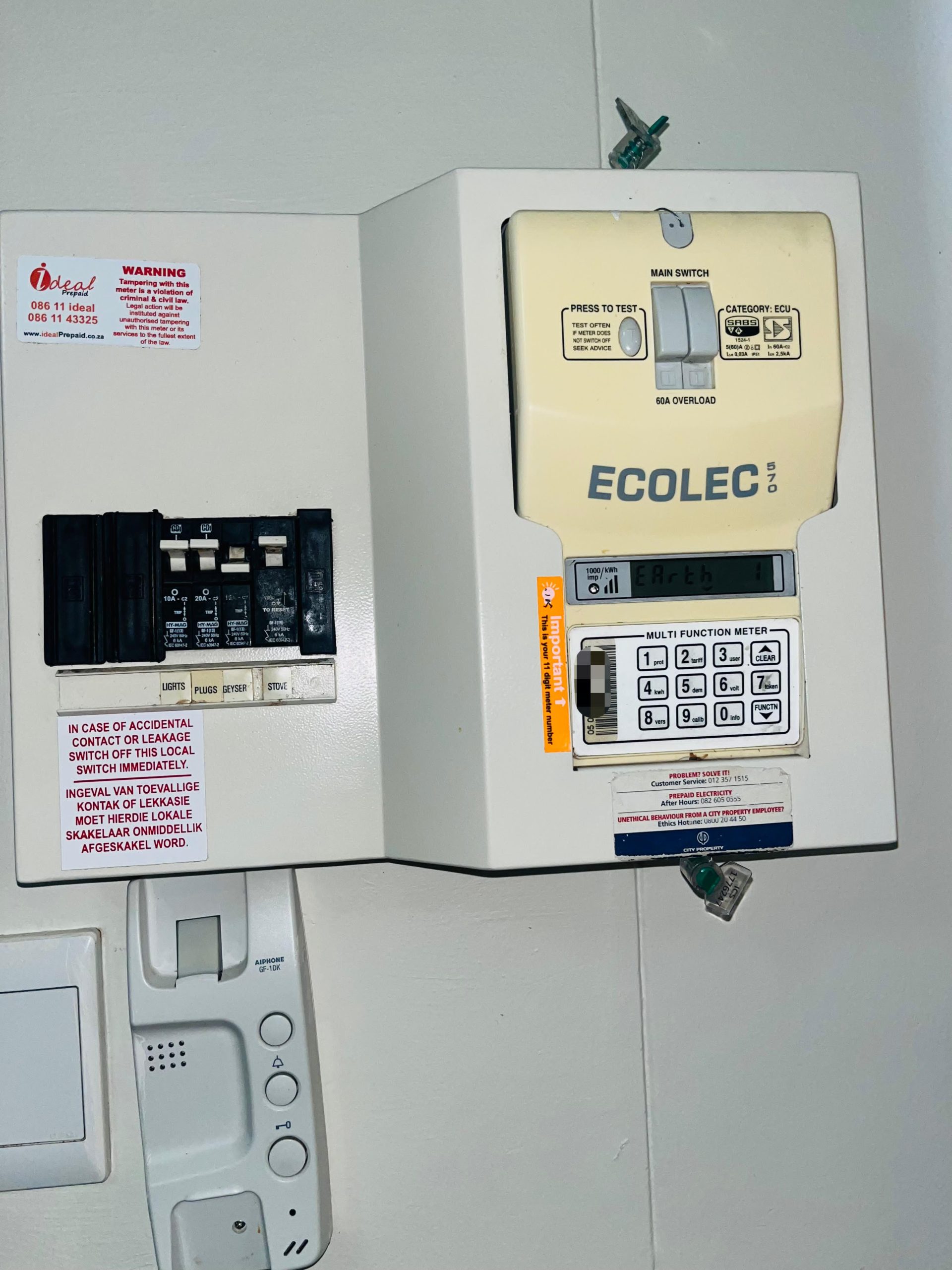
A Moneyweb article reveals significant disparities in prepaid electricity tariffs between City Power and Eskom, disproportionately affecting indigent households in Johannesburg. Many indigent customers serviced by City Power do not receive free basic electricity, and low-consumption users are particularly impacted.
Energy expert Chris Yelland has pointed out the shocking gap between the City of Johannesburg’s new prepaid electricity prices and Eskom’s, warning that the much higher prices Joburg’s poor communities are paying could lead to social unrest.
The organisation Undoing Tax Abuse (Outa), Build One South Africa (BOSA) and the Democratic Alliance (DA) are urging the City of Johannesburg to scrap the R200 electricity charge, arguing it unfairly burdens low-income consumers.
The DA asserts that this fee exacerbates
economic pressures on residents and criticizes the city’s financial management in a widely supported petition against the surcharge.
In defence of the surcharge, Executive Mayor Kabelo Gwamanda has stood firm, arguing that the fee is introduced in the interest of fairness and transparency.
According to a statement released by the Mayor’s office, the surcharge aims to fund new infrastructure and maintain existing infrastructure, ensuring the city’s growth and sustainability.
The Mayor’s statement emphasises that post-paid customers have been shouldering this cost, and the new fee is a step towards equalizing the financial responsibilities among all consumers.
“Post-paid customers have been paying the surcharge, and only pre-paid customers were excluded. What the introduction of the surcharge now seeks to do is to end the unfair subsidization of prepaid customers by post-paid customers,” Mayor Gwamanda explained.
With the petition against the surcharge gaining thousands of signatures, it is clear that the city’s residents are not only concerned about the immediate financial impact but also about the principles of fairness and transparency in governance.
About the Author