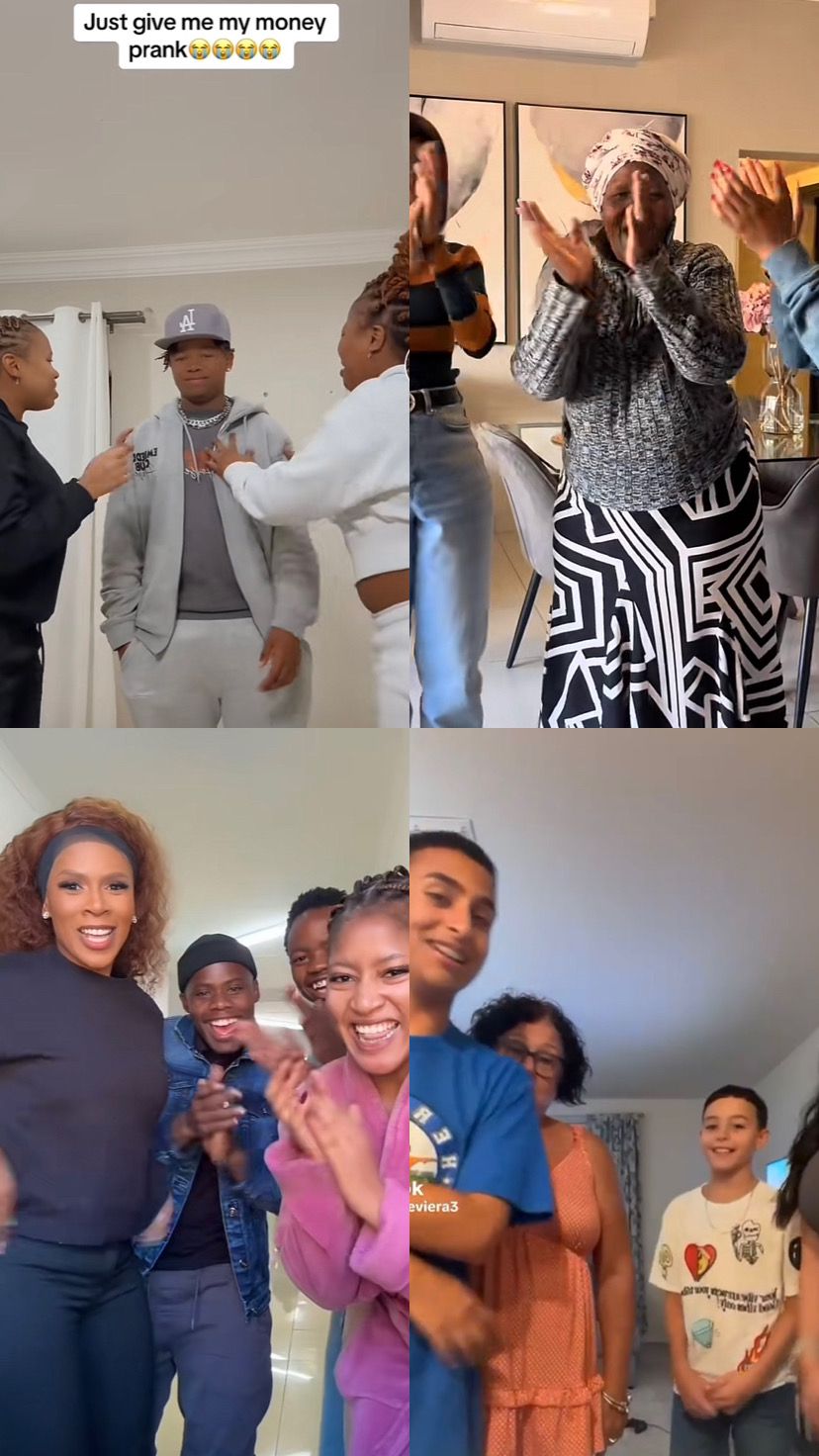
The "Give me my money" trend, has taken TikTok by storm, blending humor and social commentary to address financial struggles and economic inequality.
The “Give me my money” trend, has taken TikTok by storm, blending humor and social commentary to address financial struggles and economic inequality.
(The Post News)- In the ever-changing landscape of social media trends, a new phrase has taken TikTok by storm: “Give me my money.” It has been trending for the last few weeks on TikTok.
The “Give me my money” trend is believed to have originated in the American community, specifically in the Southern United States.
The phrase is thought to have roots in African American Vernacular English (AAVE) and is often used in a humorous, exaggerated tone.
The origins of the “Give me my money” trend are unclear, but there are two possible sources.
One theory suggests that streamer Kai Cenat sparked the trend during a live stream with rapper DreamDoll earlier this year.
Alternatively, others believe it may have originated from a memorable scene in the 2002 film Paid in Full, where a similar phrase is uttered.
The trend involves users creating skits, lip-syncing, or dancing to a catchy beat, demanding “Give me my money” in various contexts.
The phrase can be used to express frustration, entitlement, or even playfulness.
In this TikTok trend, small groups gather and take turns saying “Just give me my money” in humorous accents or voices with exaggerated drama.
Each person receives praise and applause from the others after saying the phrase. However, one person in the group is the target of a prank.
hen they say the line, the others respond with an awkward silence, withholding applause and praise, creating an unexpected and humorous contrast.
Shortly after, the person who was left in awkward silence typically catches on that they’ve been playfully deceived, realising they were the target of the group’s prank.
The trend’s popularity can be attributed to its relatability, humour, and creativity. Users are leveraging the phrase to express their own experiences, from asking for refunds to seeking payment for services rendered.
The trend has also become a form of social commentary, highlighting issues like financial struggles, economic inequality, and the value of hard work.
The “Give me my money” trend is about empowerment, self-worth, and the pursuit of financial justice. It’s a light-hearted way to address serious topics, using humour and entertainment to spark conversations and connections.
As the trend continues to evolve, it’s clear that “Give me my money” has become more than just a phrase; it’s a cultural phenomenon.
About the Author