Northern Cape celebrates decade in conservation success in Namaqualand.
(The Post News)- Conservationists recently came together in Namaqualand to celebrate 10 years of successfully protecting biodiversity, thanks to the efforts of the Northern Cape Land Project.
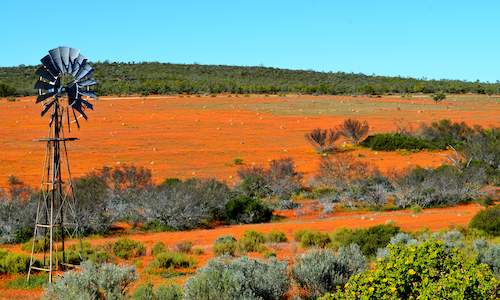
The event was hosted in Kamieskroon to celebrate the role the project has played in establishing five new nature reserves and a protected environment that is within the Succulent Karoo biome.
The initiative being driven by Wilderness Foundation Africa (WFA), funded by WWF South Africa’s Leslie Hill Succulent Karoo Trust (LHSKT), laid the foundation for further expansions, with many new areas awaiting formal protection.
The project’s success is the result of a team effort involving landowners, SANParks, the Northern Cape’s Department of Agriculture, Environmental Affairs, Rural Development, and Land Reform (DAERL), and Conservation South Africa.
This collaboration shows how well stewardship agreements work, where landowners keep their land but agree to manage it in ways that support conservation.
WWF Project Manager with the LHSKT, Katherine Forsythe, highlighted the project’s broader impact. She mentioned that the support WWF provided to DAERL and SANParks has improved the processes for expanding protected areas.
Chairperson of the LHSKT, Francois Van Der Merwe, stressed the urgency of these efforts, citing climate change, plant poaching, and mining as major threats to the Succulent Karoo.
The celebration also recognised the commitment of local landowners who have taken on the responsibility of protecting this special environment.
Ben-Jon Dreyer, the project manager at WWF, shared that working on the project was a learning experience. He found it inspiring to see how many landowners understand the importance of the biodiversity on their land and are dedicated to protecting it.
The project achieved important milestones, including the creation of four provincial nature reserves within the Karrasberge Protected Area and the expansion of Namaqua National Park, which now covers 170,000 hectares. It also helped create the Gys Wiese Protected Environment and established an ecological corridor that connects Tankwa National Park with the Cederberg.
Currently, 220,000 hectares of proposed protected areas are awaiting formal declaration. Once finalised, these additions will contribute 70,000 hectares to the country’s conservation goals.
About the Author