Bat population declines linked to increased infant mortality in the US, study find. Image National Geographic
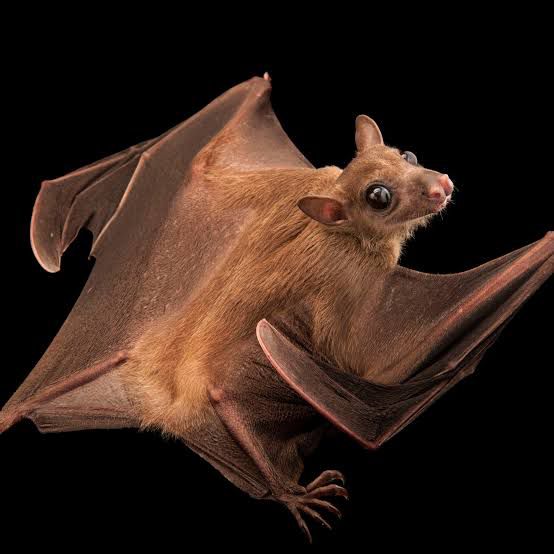
(The Post News)- A recent study published in the journal Science has uncovered a startling correlation between the decline of bat populations and a surge in infant mortality rates across the United States.
The research, led by environmental economist Eyal Frank, reveals that the devastating impact of white-nose syndrome on bat populations has had far-reaching and deadly consequences for human health.Since its introduction to the US in 2006, white-nose syndrome has ravaged bat populations, spreading to at least 40 states and leaving a trail of death in its wake.
But the true extent of its impact was unknown until Frank’s study exposed a chilling link between bat declines and infant mortality rates. In counties where bat populations were hardest hit, infant mortality rates rose by a staggering 8 percent, resulting in an estimated 1,334 additional infant deaths between 2006 and 2017.
So, what’s behind this bizarre correlation? Frank’s research points to the unexpected consequences of bat declines on agricultural practices. As bat numbers dwindled, farmers turned to insecticides to compensate for the loss of natural pest control, leading to a 31 percent rise in toxic chemical usage.
This increase in insecticides, Frank argues, is the likely culprit behind the higher infant mortality rates.Frank’s rigorous analysis ruled out other potential factors, including the opioid crisis, unemployment, genetically modified crops, and weather conditions, leaving a direct link between bat declines and adverse health impacts on humans.
The study’s findings have sent shockwaves through the scientific community, with sustainability scientist Paul Ferraro hailing it as “the most convincing evidence to date” of the economic and health impacts resulting from the loss of a wild species.
This research adds to a growing body of evidence highlighting the crucial role of ecosystem services in maintaining human health and well-being. As Frank’s study shows, even local declines in species populations can have significant and far-reaching consequences. The implications are profound: maintaining biodiversity is no longer just a moral imperative, but a matter of life and death.
About the Author