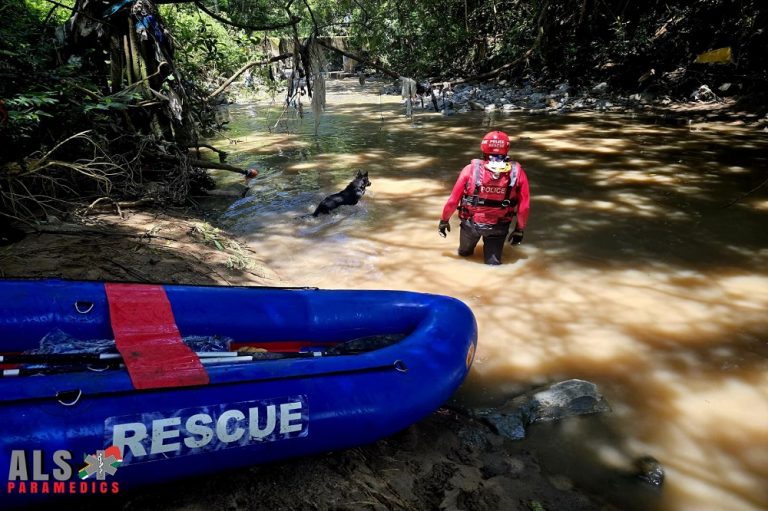
Sabi Sand nature reserve goes tech to reduce poaching. Image: Sabi Sand Nature Reserve
(The Post News)- The Sabi Sand Nature Reserve has been at the forefront of a revolutionary project aimed at combating rhino poaching since 2015 which was a devastating matter that threatened wildlife populations.
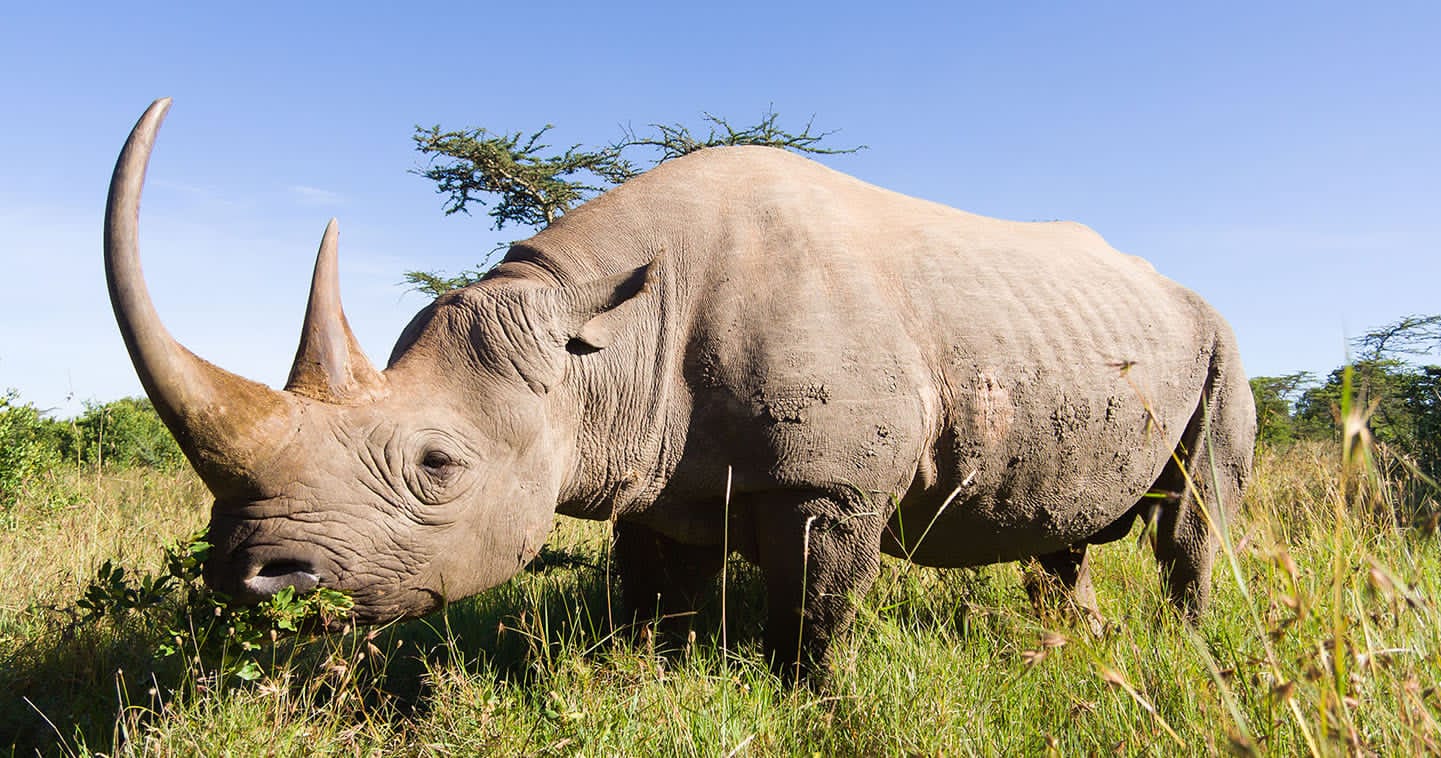
Being partnered with the Connected Conservation Foundation, the nature reserve had implemented a range of cutting-edge technological solutions to protect key species such as the black and white rhinos, elephants, lions, cheetahs, giraffes and wild dogs.
The initial pilot phase of the project had seen the deployment of technology designed to immensely reduce poaching incidents, wherefore its first two years showing staggering results.
Incidents of poaching within the 62 000-hectare reserve have decreased by 96%, with a complete halt in rhino poaching reported during 2017 and 2018. The success of this had marked a significant turning point for conservation efforts in the area since traditional anti-poaching methods struggled previously to keep up with the well-organized criminal syndicates targeting wildlife.
A suite of interconnected systems lie at the heart of the project ensuring seamless communication across the nature reserve as point-to-multipoint radio area network had created a high-security net, backed by an updated IT infrastructure with improved bandwidth, biometric entry systems, and CCTV surveillance.
Long-range thermal cameras and magnetic sensors along the perimeter helped detect and deter intruders, while the Earth Ranger software integrates all data, which allowed real-time monitoring and analysis.
The advancements enabled the reserve’s rangers to respond to threats within seven minutes, which was a dramatic improvement from the previous 30-minute delay which had frequently resulted in the deaths of rhinos and other species that are endangered.
Despite the project having its successes, it has also had its fair share of challenges such as the vast unfenced border with the Kruger National Park and the remoteness of the area have required the continual adaptation of technology to accommodate the unique environment.
Conservationist and protected area manager at Sabi Sand, Iain Olivier gave a remark on the importance of these innovations, saying technologies such as thermal cameras, biometric entry systems, and real-time data have been proven to be game-changers as they allow them to respond to threats in as little as seven minutes, which enhances their ability to protect vulnerable species.
Although these technological advancements have been proven to be effective in reducing poaching, the long-term sustainability of these efforts heavily rely on ongoing funding and collaboration. Since project is entering its third phase, new technologies are being tested to extend protection over an even larger area. The leadership of the reserve still remains committed to refining their approach and staying ahead of the poachers’ increasingly sophisticated tactics.
About the Author