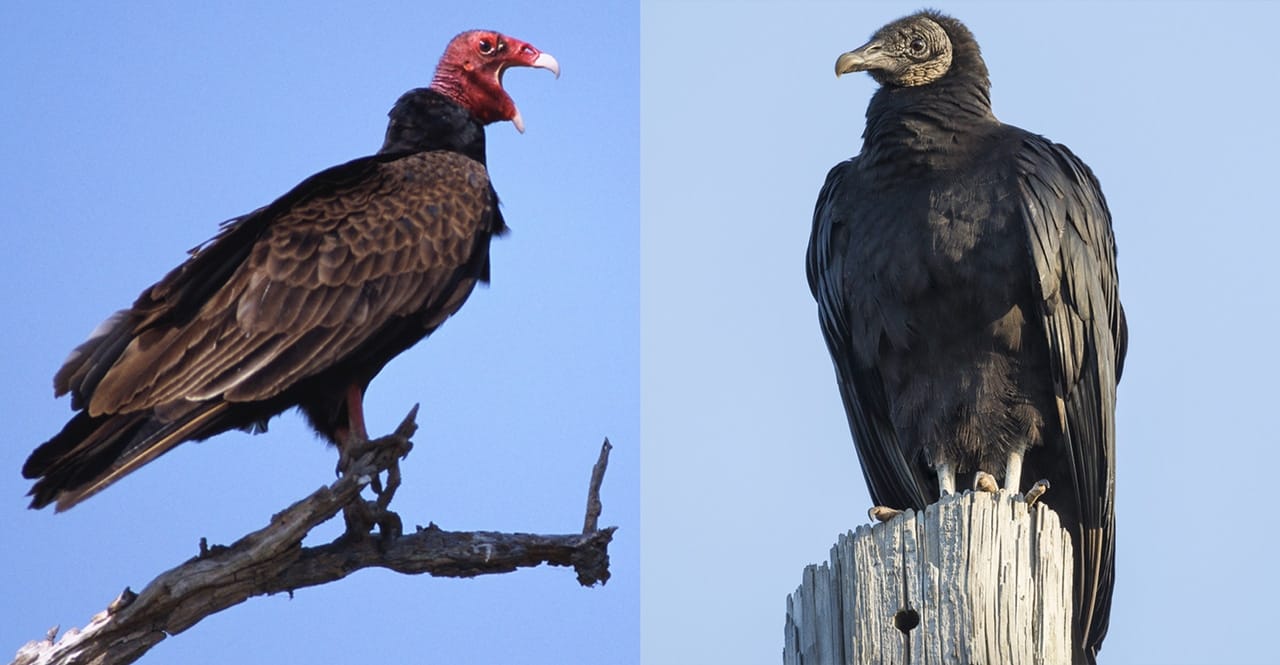
DFFE takes initiative to help curb vulture poaching. Image: Farm Progress
(The Post News)- In the recent years, vultures have been facing an alarming decline in Africa’s vulture populations, with three of South Africa’s eight vulture species now classified as globally Critically Endangered.
Vultures are known to be essential to the African ecosystem, as obligate scavengers, they play an important role in preventing the spread of disease by quickly removing decomposing carcasses from the environment.
Reasons behind the African vultures’ decline are complex and quite numerous, one being mainly poachers killing large numbers of vultures by intentionally lacing animal carcasses with poison, unfortunately this is not a new phenomenon as they are targeted for two reasons: namely the being used in the making of bogus muthi or traditional medicine; secondly being their presence in the sky as they circle near animal carcasses can alert the authorities to the presence of poachers.
Secondly, vultures are also vulnerable to secondary poisoning by the veterinary diclofenac, or unintentional poisoning through the ingestion of fragments of lead ammunition. Other factors are the electrocution or collisions with power infrastructure, decline in food availability and ociated rabies loss of habitats.
On the 7th of September, South Africa joined the global community to commemorate International Vulture Awareness Day (IVAD), which is usually observed on the first Saturday of September, annually. With this day supported worldwide by hundreds of organisers and thousands of participants, the IVAD seeks to raise awareness about the vital play in our ecosystems and the urgent need for their conservation.
With vultures being ecologically significant birds, they are facing a number of challenges, which is putting many of the species at risk of extinction. Recognising their crucial role in maintaining healthy ecosystems, the IVAD serves as a coordinated global effort to spotlight the conservation of vultures and crucial work being done to protect them as the loss of vultures could lead to serious ecological and public health consequences like the spread of disease from unprocessed carcasses and increased human-wildlife conflict, including the rise in stray dog populations and associated rabies cases.
Through the DFFE, South Africa is currently contributing to a situational analysis on vulture conservation across the South African Development Community (SADC) region, which will inform a SADV Vulture Strategy. The initiative form part of the Second State of Protected and Conserved Areas (SOPACA) Report which demonstrated the collaborative efforts of multiple stakeholders working together to ensure the survival of vulture species and continued provision of their essential ecosystem services.
The goal here now is to reduce and eventually stop the intentional to promote sustainable practices which will aid in the conservation of these species. Educational efforts aimed at communities are yet to continue, which will highlight the critical ecosystem services and health benefits which are provided by vultures while fostering a deeper understanding of their cultural significance.
About the Author