Unrelenting bombardment leaves trail of destruction, sparks global concern for humanitarian crisis
(The Post News)- The latest escalation of violence in the Middle East has left Lebanon reeling, with at least 356 people killed and over 1,000 injured in Israel’s relentless strikes across the country. The devastating bombardment has sparked widespread condemnation and urgent calls for a ceasefire.
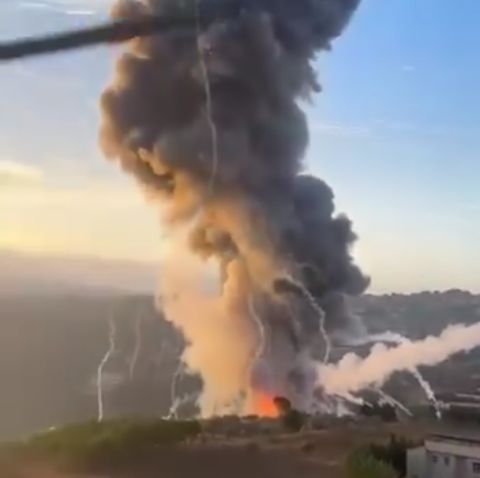
The strikes, which began earlier this week, have targeted various locations across Lebanon, including densely populated areas, infrastructure, and civilian facilities. The Lebanese capital, Beirut, has borne the brunt of the attacks, with entire neighborhoods reduced to rubble.
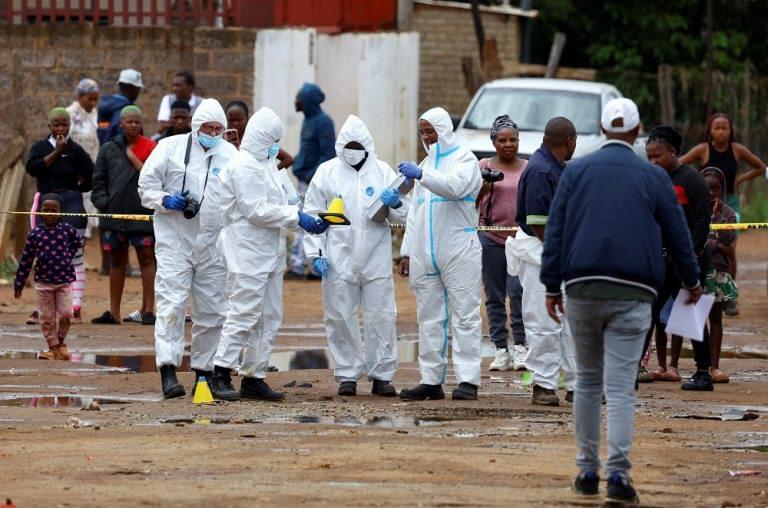
Eyewitnesses describe the scenes as “catastrophic,” with buildings in flames, streets littered with debris, and the sounds of screams and sirens filling the air. “It’s like a war zone,” said one Beirut resident. “We’re living in a nightmare.”
The international community has expressed deep concern over the escalating violence, with leaders urging restraint and an immediate end to hostilities. “The situation is catastrophic,” said a spokesperson for the United Nations. “We’re working tirelessly to provide humanitarian aid and support to those affected.”
Humanitarian organizations are scrambling to respond to the crisis, with medical supplies, food, and shelter desperately needed. “The scale of destruction is staggering,” said a Red Cross official. “We’re doing everything we can to help, but it’s a daunting task.”
Lebanon’s government has denounced the Israeli strikes as “aggression” and “state terrorism.” Prime Minister Najib Mikati called for international intervention, stating, “We will not stand idly by while our people are slaughtered.”
Israel has defended its actions, citing concerns over national security and the presence of militant groups in Lebanon. However, critics argue that the disproportionate use of force has caused unacceptable civilian casualties.
As the death toll continues to rise, fears grow of a broader regional conflict. Diplomatic efforts are underway to broker a ceasefire, but the path forward remains uncertain.
Humanitarian Crisis Deepens
The conflict has exacerbated Lebanon’s existing economic and social crises. The country was already grappling with severe economic hardship, fuel shortages, and power outages.
Now, hospitals are overwhelmed with wounded civilians, and medical supplies are dwindling. “We’re running out of basic medicines,” said a doctor at Beirut’s main hospital. “It’s a disaster.”
Displacement camps are filling up with families forced to flee their homes. “We left with nothing,” said one refugee. “We don’t know what tomorrow will bring.”
About the Author