Nigeria’s Justice System Under Scrutiny as Minors Face Death Penalty for Peaceful Protest. Image: CNN
(The Post News)- 29 Nigerian children have been arraigned and may face the death penalty for participating in a protest against the country’s escalating cost-of-living crisis. This dire situation took a turn for the worse when four of the children collapsed in court due to exhaustion before they could even enter a plea.
Nigeria, with a population of over 232 million people, is facing significant economic challenges, including a high inflation rate and acute food insecurity. The cost-of-living crisis is affecting young people worldwide, testing their commitment to shopping sustainably and forcing them to prioritize their spending.
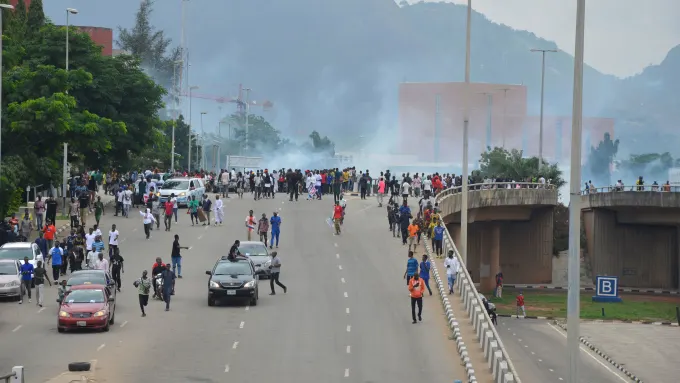
The protest, which drew attention to Nigeria’s record-high inflation and food insecurity, has brought to light the country’s profound economic and governance challenges. With the Child Rights Act supposedly in place to protect minors, legal experts argue that these proceedings are unlawful and unjust.
The protest, which involved 76 individuals, including the 29 children, was met with severe repression, resulting in felony charges. This has sparked widespread concern and outrage, with many questioning the justice system’s handling of minors.
The Child Rights Act, designed to safeguard minors, appears to be ineffective in this case, sparking debate about its implementation. International bodies are sounding the alarm about Nigeria’s economic and governance challenges, highlighting the need for urgent action.
The outcome of this case will have far-reaching implications for Nigeria’s youth and the future of its democracy. The international community must come together to ensure that the rights of these children are upheld and that Nigeria’s justice system is held accountable.
As the world watches, Nigeria’s justice system is under intense scrutiny. Will these children receive a fair trial, or will they become victims of a flawed system? The answer to this question will have lasting consequences for the future of Nigeria and its youth.
Nigeria’s economic struggles are multifaceted, with inflation rates soaring and food insecurity rampant. The country’s leadership faces mounting pressure to address these issues and ensure the well-being of its citizens, particularly its most vulnerable populations.
The global community is urged to monitor the situation closely, advocating for the rights of these children and pressing Nigeria’s government to uphold its international obligations to protect human rights.
About the Author