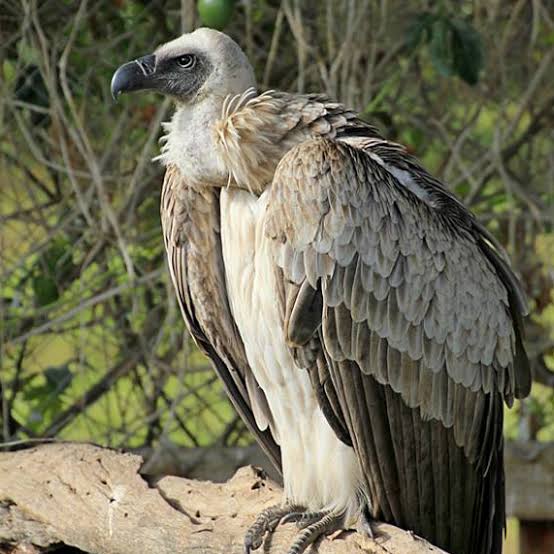
Vultures despite their intimidating appearance, these birds play a vital role in preventing disease spread by disposing of carcasses. With only 4,500 breeding pairs remaining, conservation efforts are crucial. Image: Overberg Crane Group
(The Post News)- Everyone knows the saying, “Looks can be deceiving.” This can be applied to the animal kingdom as well. Vultures may look scary and unsightly, but they play a crucial role in our environment. Unfortunately, over the years, their numbers have decreased drastically. In 2013, BirdLife South Africa estimated that merely 9,400 mature Cape Vultures remained. Just over a decade later, the numbers have dropped drastically to 4,500 breeding pairs.
For years, they have been on the Red List. In 2015, the Cape Vulture was listed as endangered but was downlisted to vulnerable in 2021. How could these creatures possibly contribute to our ecosystem? Despite their size, they do not catch prey; instead, they feed off carcasses left by predators. By doing so, they help prevent diseases spread from the pathogens found in the carcasses. One could call them the protectors of the sky. This is why their conservation is of the utmost importance.
Imagine a world where there are no vultures, and decaying carcasses start to pile up. Now that it is established what role vultures play in the ecosystem, what can humanity do to ensure the conservation of these birds?
Besides habitat loss, some of the biggest threats are poison and power cables. Farmers may have trouble with predators killing their livestock and may use a carcass filled with poison in the veld as a solution. The vultures, blissfully unaware, will swoop down and start feasting, digesting the poison. While this occurs accidentally, farmers are still advised to be responsible when using poison.
Evidently, the second biggest threat is power lines. While not all collisions are fatal, they can maim these birds. Irresponsible work from cable companies cannot be tolerated. To prevent further collisions, cable companies can incorporate wire-marking to help vultures recognize power lines against the sky and add insulation to prevent the flow of electricity.
By respecting their habitat and being mindful of poison use and power lines, there is hope for the protectors of the sky. Our ecosystem is delicate, and one cannot exist without the other.
About the Author