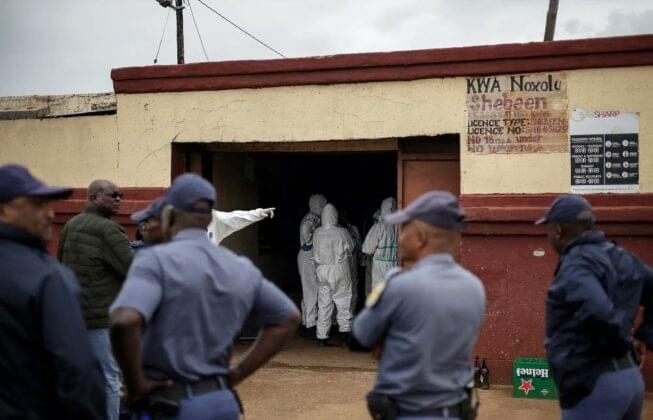
“Take the rights path: My health, my right,” the global demand for citizens to champion the right to health by addressing inequalities hindering the progress of ending AIDS. Image: New Age WOCKHARDT Hospitals
(The Post News)- As the world commemorated World AIDS Day on December 1st, it is essential to recognize the ongoing battle against Human Immunodeficiency Virus (HIV) & Acquired Immunodeficiency Syndrome (AIDS)—a fight characterized by significant triumphs and enduring challenges. This year’s theme, “Take the rights path: My health, my right,” demands that global citizens and leaders actively promote the right to health by addressing the inequalities that obstruct our progress in ending AIDS. It underscores the urgent need to dismantle systemic barriers to treatment, care, and prevention.
South Africa stands at a pivotal moment in its fight against HIV/AIDS. With the highest number of people living with HIV globally, the country has achieved remarkable progress, with over 5 million South Africans now benefiting from life-saving antiretroviral therapy (ART). This transformation has shifted HIV from a fatal diagnosis to a manageable chronic condition for many. This achievement reflects unwavering commitment to tackling the epidemic, bolstered by government initiatives, international funding, and robust community health efforts. Nevertheless, significant challenges continue to hinder our path forward, including pervasive stigma and systemic obstacles.
Despite these strides, alarming gaps persist. Approximately 2.3 million people living with HIV in South Africa are still not receiving treatment. Stigma, disparities in healthcare access, and late diagnoses are critical barriers impeding progress, particularly in rural regions where healthcare infrastructure is severely limited. A pressing challenge for scaling up HIV/AIDS treatment and prevention is funding. South Africa heavily relies on international donors like the Global Fund and the U.S. President’s Emergency Plan for AIDS Relief (PEPFAR). However, donor fatigue and shifting global health priorities jeopardize the sustainability of these essential programs.
Domestically, strained public healthcare budgets further restrict the government’s ability to bridge funding gaps. Advocacy groups are unequivocally demanding increased investment in HIV programs to ensure long-term sustainability and prevent regression on the hard-won gains achieved thus far. Meanwhile, Prevention is a cornerstone of South Africa’s HIV response, with Pre-exposure Prophylaxis (PrEP), a daily medication that significantly reduces the risk of HIV infection, proving to be a game-changer, but its rollout faces substantial hurdles, including limited awareness, stigma, and inconsistent availability in public healthcare facilities.
Efforts to expand access to PrEP, especially among high-risk populations like young women, sex workers, and men who have sex with men (MSM), are already underway. Education campaigns, mobile health clinics, and community outreach programs are vital to normalizing PrEP use and dispelling myths around it. In addition to PrEP, condom distribution, voluntary medical male circumcision, and education on safe sexual practices are essential components of our prevention strategies.
As South Africa advances, a multi-faceted approach is imperative to conquering the HIV/AIDS epidemic. This means intensifying treatment efforts, enhancing healthcare access, defeating stigma, and securing sustainable funding. The voices of those living with HIV must remain central to our decision-making, ensuring that policies accurately reflect their realities.
On this World AIDS Day, South Africa reaffirms its commitment to achieving the UNAIDS 95-95-95 targets: 95% of people living with HIV knowing their status, 95% of those diagnosed receiving ART, and 95% of those on ART achieving viral suppression. While we have made significant progress, the road to ending HIV/AIDS in South Africa is far from over.Through collective action and renewed determination, an AIDS-free generation is not just a dream; it is an achievable reality.
About the Author