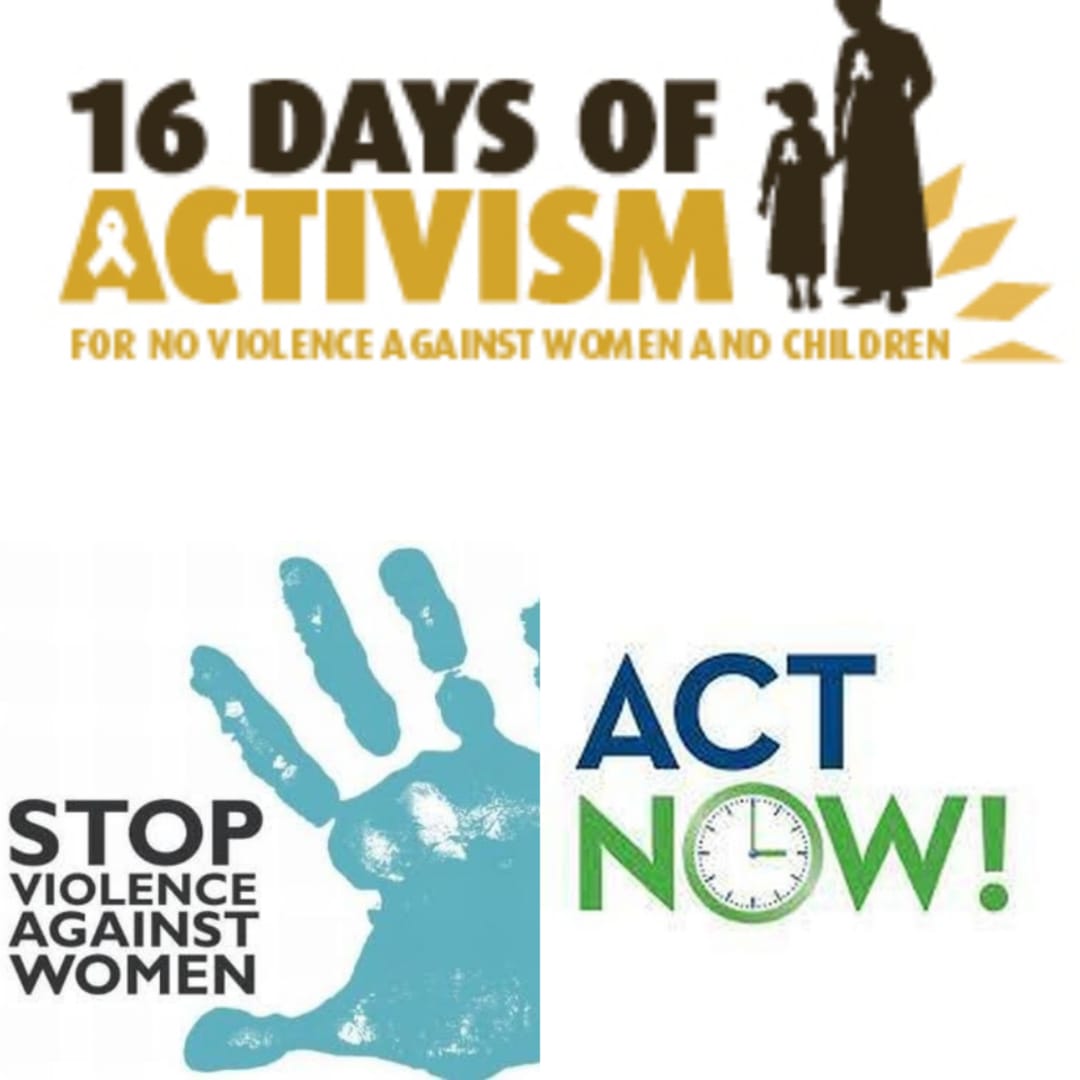
16 Days of Activism
With this year’s theme “Time to Act Now” highlighting the significance of acting now, communities and organizations worldwide are bringing attention to the 16 Days of Activism in support of the fight against gender-based violence and child abuse.
(The Post News)- As the world observes the 16 Days of Activism Against Gender-Based Violence (GBV), communities and organizations worldwide are reflecting on the impact of this year’s theme, “Time to Act Now.” The 2024 campaign has amplified urgent calls to address the pervasive issue of gender-based violence and emphasized the need for immediate, tangible action.
Since its inception in 1991, the 16 Days of Activism has grown into a powerful global movement, beginning on November 25—the International Day for the Elimination of Violence Against Women—and ending on December 10th. The campaign underscores the devastating consequences of GBV and mobilizes individuals, governments, and organizations to challenge social norms, strengthen policies, and support survivors.
This year’s theme, “Time to Act Now,” underscores the urgency of tackling GBV in all its forms. Recent statistics from the United Nations reveal that one in three women worldwide experiences physical or sexual violence in her lifetime, often at the hands of an intimate partner. Despite decades of advocacy, many survivors still face barriers to accessing justice, healthcare, and social support.
“The reality of violence against women and girls diminishes us all. But the movement to end it inspires us all,” said UN Women Executive Director Sima Bahous in a statement. Bahous went on to say that the struggle to end abuse inspires us all, and there is no doubt that we will witness a future free of violence against women and girls, as well as our children and theirs, and that the fight will continue until women and girls receive the transformation they desire, imagine, and deserve. According to Bahous, every delay in acting contributes to patterns of violence, inequality, and trauma. Bahous highlighted that the moment to act is not tomorrow or next year, but now.
Local organizations have been at the forefront of this year’s campaign, bringing innovative solutions to their communities. From educational workshops and legal aid clinics to digital campaigns raising awareness about consent and bystander intervention, grassroots initiatives are playing a pivotal role in fostering change.
For example, in Nairobi, Kenya, the “Safe Streets Initiative” has partnered with local governments to create safer public spaces for women and girls. In Mexico, a coalition of NGOs launched a hotline that provides around-the-clock support for survivors. Meanwhile, in Sweden, an innovative app called “SpeakOut” allows users to report instances of harassment anonymously, creating a crowd-sourced map of unsafe areas.
A notable aspect of the 2024 campaign is its focus on engaging men and boys as allies. Programs promoting healthy masculinities and encouraging men to speak out against violence have gained traction globally. Activists argue that lasting change is only possible when patriarchal norms are dismantled and everyone takes responsibility for creating safe and equitable societies.
Governments and corporations have also been urged to step up. Several countries used the campaign to announce new policies, including increased funding for shelters, stricter enforcement of anti-GBV laws, and expanded access to mental health services for survivors. In the corporate sector, companies such as Microsoft and Unilever pledged to implement workplace policies that support survivors and prevent harassment.
While advocates emphasize that the fight against GBV must continue year-round. “The 16 Days serve as a catalyst, but our commitment cannot be confined to a timeline,” said Maryam Khan, founder of the Safe Futures Foundation. “Each day is an opportunity to act—to educate, to intervene, and to stand in solidarity with survivors.” As the world reflects on the progress made during these 16 days, the message of 2024’s theme resonates: the time to act is now, and the responsibility lies with all of us.
About the Author