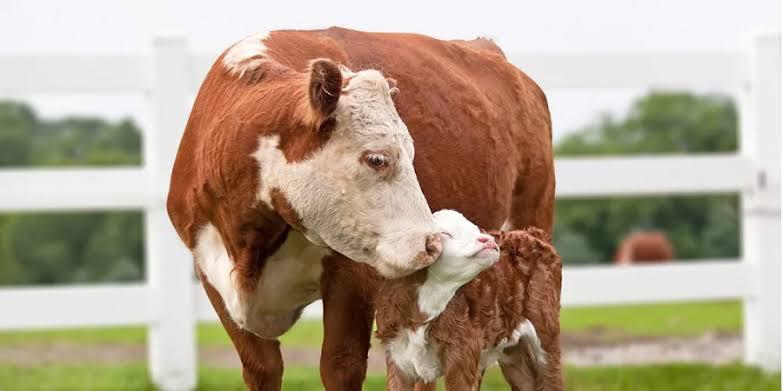
Meat and dairy farming contributors of all greenhouse gas emissions by 14.5%, causing global warming. Image: Animals to Australia
(The Post News)- People should change their eating habits and addiction to animal products scientists have warned. Otherwise, there will be unavoidable levels of global warming. 14.5% of all greenhouse gas emissions, is due to the contribution of meat and dairy farming. A growing factor to global warming.
The environmental news website, health.org, has indicated that 30% of the planet’s ice-free land are being used for raising livestock. While nearly 16% of the planet’s freshwater raise livestock. Moreover, 30% of global grain production is used to feed livestock.
Predicted to increase by 2050, consumption of meat and dairy products will rise by 76-and 64%. Unfortunately, the burden the industry poses on these resources will only grow further. Switching to a plant-based diet could significantly reduce our environmental footprint. It has the potential to cut land and water usage and greenhouse gas emissions by 50%. Furthermore, it can lower food expenses by over 30%.
Some meat and dairy alternatives still need processing and contribute to global warming. For example processed plant-based foods. Veggie burgers and plant milks that offer substantial benefits for anyone wanting to replace meat and dairy products.
Consuming whole, unprocessed plant foods like soybeans, peas, and beans is a healthier and more sustainable alternative to meat and dairy. It has the potential to cut emissions by 30-50% compared to relying on processed options.
Swapping legumes for meat and dairy doesn’t just benefit the environment. Legumes boosts overall health. They store more nutrients and lowering the risk of chronic diseases such as heart disease, stroke, cancer, and diabetes.
Whether processed or whole, plant-based alternatives tend to have a significantly lower environmental footprint compared to meat and dairy. They require substantially less land and water to produce.
About the Author