(The Post News)– The intense fighting in the Kursk region of Russia, near the Ukrainian border, five months after a Ukrainian incursion. The war, which has lasted about three full years, is about the North Atlantic Treaty Organization’s (NATO) occupation on the border between Ukraine and Russia.
The conflicts around the Kursk border were considered some of the most fierce of the war, reminiscent of sieges such as Bakhmut and Avdiivka. Both sides are fighting hard for control of the land. In the current infighting, the Kursk region has gained strategic importance as a potential bargaining chip in future cease-fire negotiations. Ukraine aims to use the territory it holds within Russia as leverage, while Russia is determined to regain it.
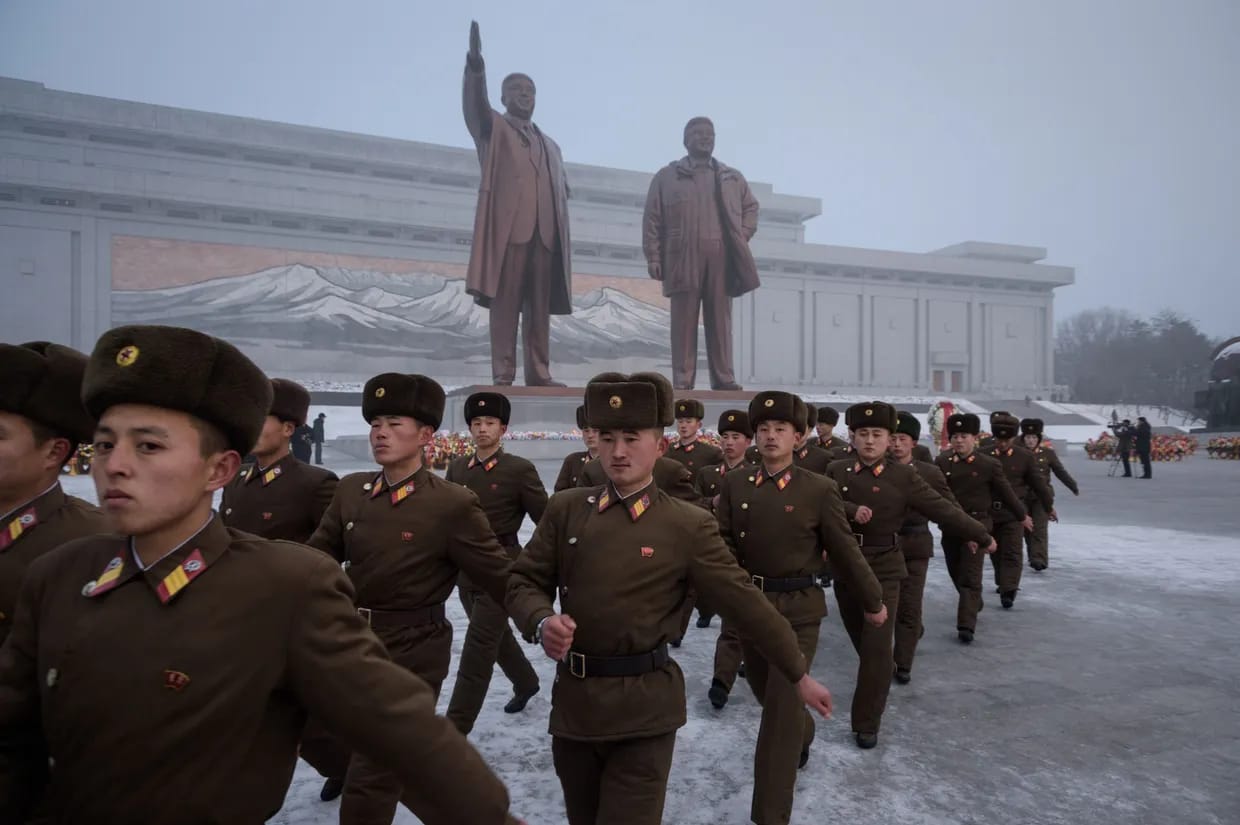
During its course, the war has caught the attention of allies for both Russia and Ukraine; recently, the arrival of Kim Jong-un’s North Korean infantry has significantly intensified the conflict. Ukrainian soldiers report that the North Koreans attack en masse, aggressively seeking weak points in their defenses. An estimated 12,000 North Koreans are assisting Russia.
Russia, with North Korean support, has retaken about half the territory it lost earlier. However, Ukraine has also launched counterattacks, particularly west of Sudzha, a Russian town near the border. The battlefield is heavily influenced by drones. Russia is using fibre-optic cable-guided drones, while Ukraine has improved its electronic warfare capabilities and employs protective netting on its tanks. This takes it to more of the technological warfare.
On the political context of it, the fighting occurs against the backdrop of political uncertainty, particularly with the upcoming U.S. presidency and the president-elect’s stated desire to quickly end the war. Ukraine’s incursion into Russia serves several purposes: creating a buffer zone to protect civilians in Sumy, easing pressure on the eastern front, and demonstrating its offensive capabilities on Ukrainian objectives.
Moreover, there are concerns about stretching resources, as some analysts worry that the Kursk campaign might stretch Ukrainian forces too thin, potentially leading to losses in the Donbas region. However, Ukrainian soldiers argue that the campaign is diverting significant Russian resources that would otherwise be used against them in the east.
The soldiers, on strategic tactics, describe the relentless waves of Russian attacks, sometimes involving over 50 tanks and armoured vehicles. Ukrainian forces struggle to respond effectively to these successive waves coming from different directions. In essence, portrayed as a brutal and strategically important battleground where both sides are investing significant resources, with the outcome potentially influencing future negotiations and the overall course of the war.
About the Author