The Israeli government has approved a ceasefire and hostage release agreement with Hamas. Image: Al Jazeera
(The Post News)- The Israeli government has approved a ceasefire and hostage release agreement with Hamas. It will pause the fighting for six weeks after more than 15 months of conflict in Gaza. Qatar, Egypt, and the United States helped facilitate the ceasefire, beginning at 8:30 a.m. on Sunday as per Qatar’s Ministry of Foreign Affairs.
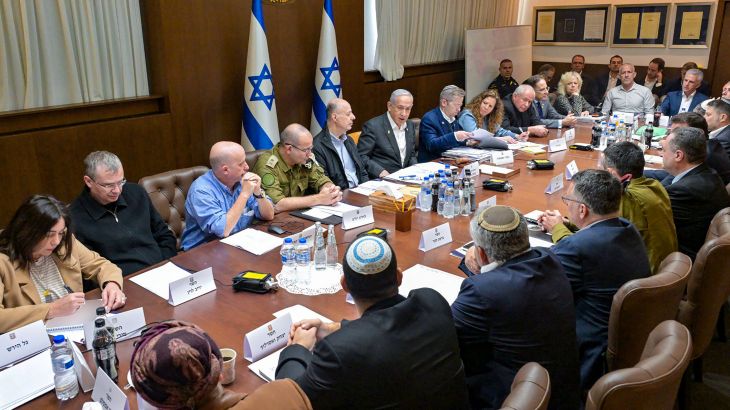
The accord received the backing of Israel’s 33-member cabinet. It was approved after extensive deliberation. With 24 votes in favor and eight against. Israeli Prime Minister Benjamin Netanyahu articulated a sense of cautious optimism, underscoring the guarantees provided by U.S. President-elect Donald Trump: military operations could resume if Hamas does not fulfill its obligations.
Under the terms of this agreement, Hamas will release 33 Israeli hostages in return for the liberation of over 1,800 Palestinian prisoners. The hostages will include minors and women. Hostage and prisoner exchanges are to begin on Sunday. Furthermore, timings will stagger throughout the ceasefire.
The agreement also provides for access to vast amounts of humanitarian aid into Gaza. Up to 600 truckloads (of food, medical supplies, and fuel) are supposed to pass each day. The aid should provide relief to the dire humanitarian crisis that has plagued the enclave.
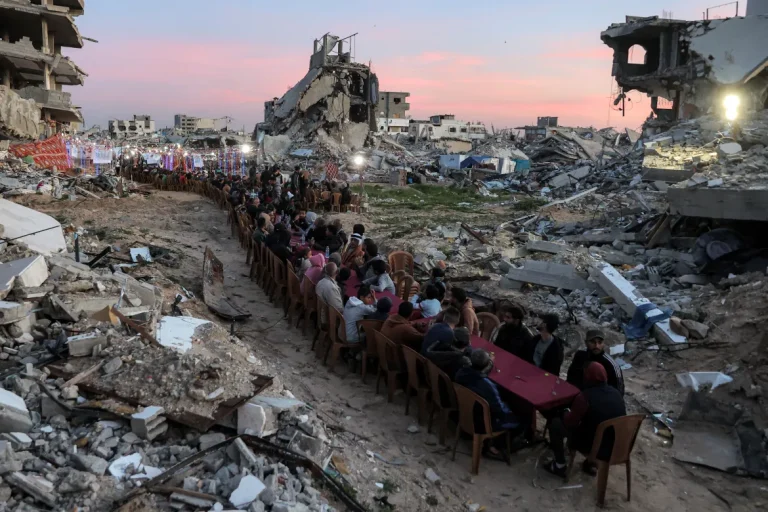
The people of Gaza experience a sigh of relief after months of relentless bombardments. 46,000 lives have been lost, with countless others being displaced. The second and third phases of the negotiations will focus on establishing a long-term ceasefire and the release of more hostages. Furthermore, it aims to focus on the rebuilding of Gaza.
Two weeks after the ceasefire’s implementation negotiations concerning the subsequent phases will start. An oversight committee in Cairo, which includes representatives from Egypt, Qatar, Israel, the U.S., and Palestinian officials, will oversee compliance. This agreement has elicited mixed responses within Israel. However, while many families of hostages perceive it as a flicker of hope, right-wing factions within Netanyahu’s coalition have threatened to retract their support, thereby jeopardizing his parliamentary majority.
For families waiting to hear news about their loved ones, the emotional toll remains immense. One of the affected family members, Ember Sharone Lifshitz, whose father has remained captive in Gaza since the 7th of October, told CNN reporter Christiane Amanpour, “Nobody knows the fate of their loved one for sure. If he has stayed alive, it’s a wonderful miracle.”
Despite being a rare diplomatic success, there are concerns about how long the agreement will last. During a cabinet meeting, Netanyahu cautioned that if Hamas does not comply with the terms, they could face significant consequences, saying, “We are ready to retaliate if necessary.”
As the ceasefire negotiations come to an end, people around the world are waiting to see whether this could be the beginning of a more peaceful period in the region.
About the Author