2025 University applications exceed holding capacity. Image: CollegeTimes
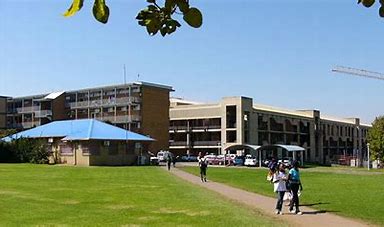
(The Post News)- In a move that underscores the mounting pressures on South Africa’s higher education system, several universities announced they will not accept walk-in applications for the 2025 academic year. The universities include North-West University (NWU), Sol Plaatje University (SPU), and Vaal University of Technology (VUT). The decision comes as these institutions grapple with an overwhelming number of applications far exceeding their capacity.
NWU, for instance, received 390,000 applications for the 2025 intake but can only accommodate 11,754 students in line with the enrollment targets approved by the Department of Higher Education and Training (DHET). Similarly, SPU’s spokesperson, Kashini Maistry, revealed that the university received 48,974 applications but has earmarked 2,273 places for first-year students. At VUT, the disparity is even starker. The university received 330,302 applications for just 5,558 available spots, according to the university’s communication officer, Nontobeko Moimane.
This nationwide trend is not unique to these three institutions. Minister of Higher Education and Training Nobuhle Nkabane, noted that South Africa’s 26 public universities are struggling to balance the intake of new students with the need to accommodate 444,000 returning students. “Room has to be made for the 337,158 matriculants who were admitted to bachelor’s programs,” said Nkabane.
However, the Bachelor of Education (B Ed) degree remains the most sought-after program across many universities, News24 reports.
Addressing the issue on eNCA, Asive Dlanjwa, spokesperson for the South African Union of Students, highlighted the complexities of the situation. “The reality is that whether you open walk-in applications or not, universities are not going to be able to accommodate the number of students,” said Dlanjwa. “Institutions have received applications in excess of half a million and have only a few thousand spaces available. The system is already bloated.”
The lack of walk-in applications has sparked concern among students and parents who may not have access to online portals. However, Dlanjwa emphasized that this policy, while challenging, would not significantly alter the grim reality of limited capacity.
This decision once again highlights the urgent need for structural changes in the higher education sector. Additionally including expanded capacity and alternative pathways for students. For now, prospective students and their families face an uphill battle in navigating an increasingly competitive admissions process. The question remains: how can South Africa’s higher education system rise to meet the growing demand?
About the Author