(The Post News)- The ongoing conflict in the Democratic Republic of Congo (DRC) has raised concerns about the effectiveness of peacekeeping missions in the region. The recent losses suffered by the South African National Defence Force (SANDF) and other peacekeeping troops have highlighted the limitations of their mandate and resources. It is imperative that the African Union (AU) and the international community reassess their approach to peacekeeping in the DRC and adopt a more robust strategy to address the root causes of the conflict.
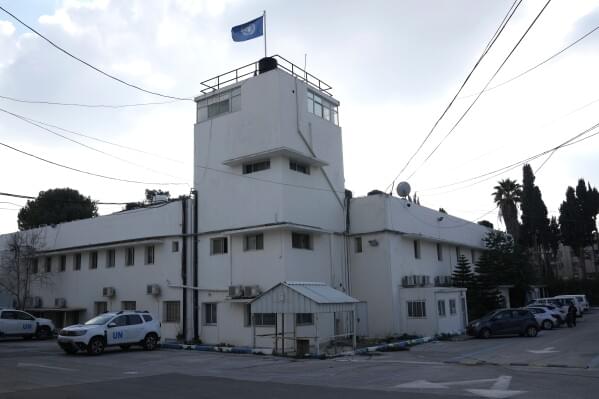
The current peacekeeping mission in the DRC, led by the United Nations Organization Stabilization Mission in the Democratic Republic of the Congo (MONUSCO), has been criticized for its ineffectiveness in preventing the violence and instability in the region. The mission’s limited resources and restrictive mandate have hindered its ability to respond effectively to the threats posed by armed groups, including the M23 rebels.
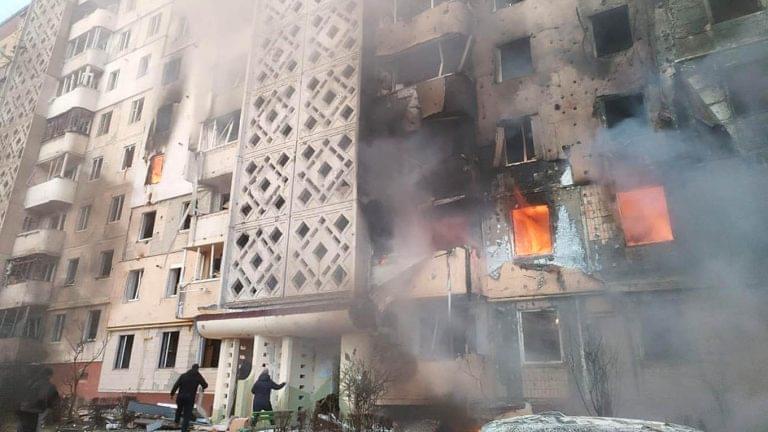
The M23 rebels, backed by Rwanda, have been responsible for much of the violence and instability in the region. Their actions have resulted in the displacement of hundreds of thousands of civilians, and the deaths of many more. The AU and the international community must recognize that the M23 rebels are not a local militia, but rather a proxy force for Rwanda, and that their actions are driven by a broader regional agenda.
To address the crisis in the DRC, the AU and the international community must adopt a more comprehensive and robust approach to peacekeeping. This approach should include the following elements:
- A more robust mandate: The peacekeeping mission in the DRC must be given a more robust mandate that allows it to respond effectively to the threats posed by armed groups. This mandate should include the authority to conduct offensive operations against armed groups, and to protect civilians from harm.
- Increased resources: The peacekeeping mission in the DRC must be provided with the necessary resources to carry out its mandate. This includes additional troops, equipment, and logistical support.
- A more effective command structure: The command structure of the peacekeeping mission in the DRC must be streamlined and made more effective. This includes the appointment of a single, unified commander who has the authority to make decisions and respond to threats in real-time.
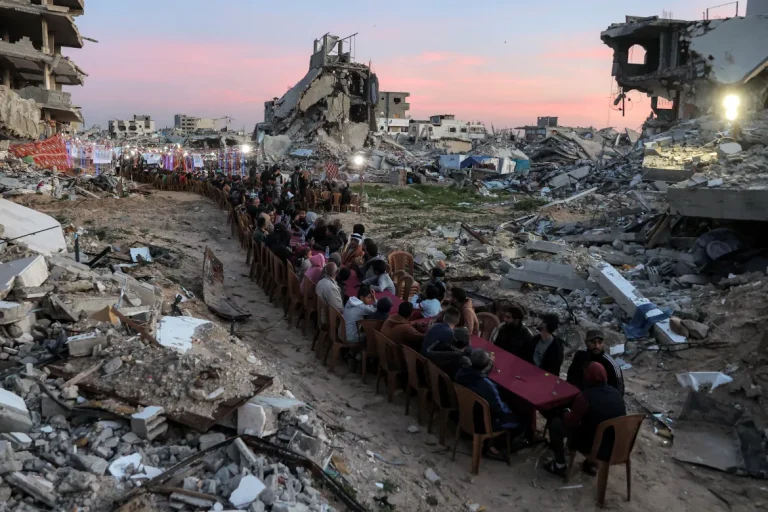
- A greater emphasis on civilian protection: The protection of civilians must be the top priority of the peacekeeping mission in the DRC. This includes the establishment of safe zones and corridors for civilians, and the provision of humanitarian assistance to those affected by the conflict.
- A more effective approach to disarmament, demobilization, and reintegration (DDR): The DDR process in the DRC has been criticized for its ineffectiveness. A more effective approach to DDR is needed, one that includes the provision of alternative livelihoods and support for ex-combatants.
- A greater emphasis on regional diplomacy: The conflict in the DRC is driven by regional dynamics, and a more effective approach to regional diplomacy is needed. This includes the engagement of regional actors, such as Rwanda and Uganda, in a dialogue process aimed at finding a peaceful resolution to the conflict.
About the Author