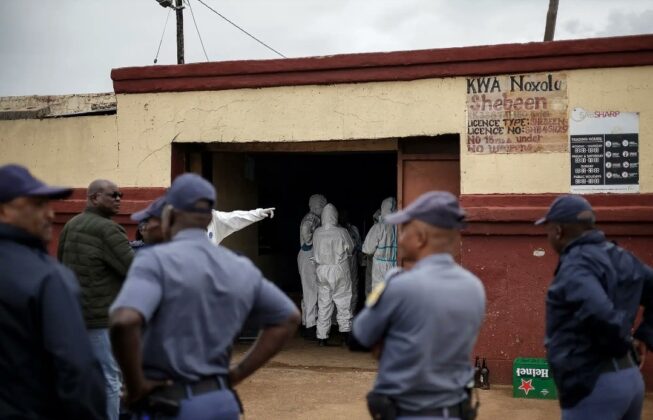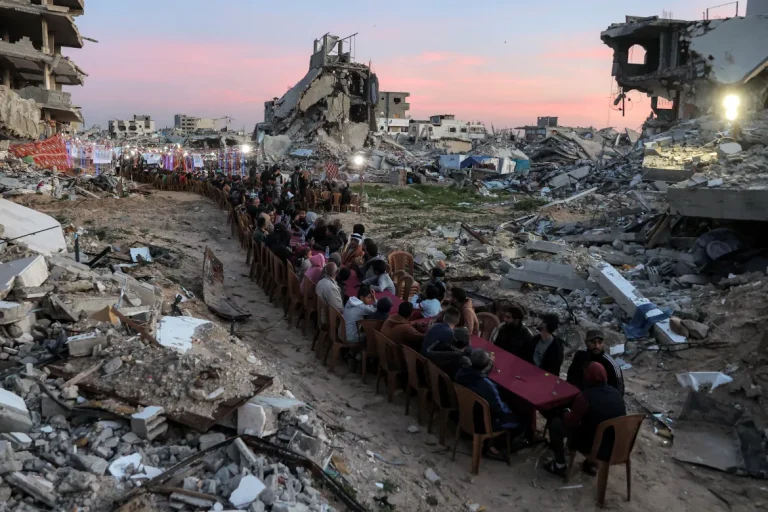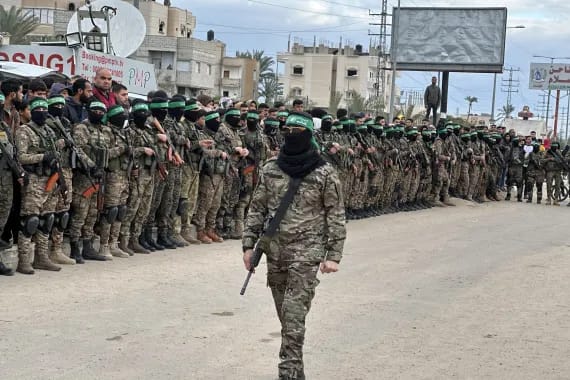
The Release of Israel captives in Gaza. Image: Al Jazeera.
(The Post News)– Israel has received from Hamas, via mediating countries, the names of three Israeli hostages set to be released from Gaza on Saturday as part of a ceasefire-hostage deal, the Israeli Prime Minister’s Office announced on Friday.
The three hostages, Ohad Ben Ami, 56; Eli Sharabi, 52; and Or Levy, 34, were among the over 250 people kidnapped during the Hamas-led October 7 attack on southern Israel that killed around 1,200. In exchange, Israel will release 183 Palestinian prisoners, including 18 serving life sentences, 54 long sentences, and 111 detained in Gaza during the war.
This is the fifth hostage-prisoner swap in the first phase of the ceasefire negotiated with U.S. support and Egyptian and Qatari mediation. The previous swaps involved the release of 18 hostages from Gaza in return for Israel freeing about 600 Palestinian prisoners from its prisons.
Ohad Ben Ami is an Israeli-German dual citizen who was kidnapped along with his wife Raz from Kibbutz Be’erri. Raz was freed after 54 days in captivity during an earlier hostage swap. Eli Sharabi was also taken from Kibbutz Be’erri. His wife and two daughters were killed in the October 7 attack, and his brother Yossi was later killed while in captivity. His lawyers said his family has “already lost too much” and are relieved at the prospect of his release. Or Levy, a computer programmer from Rishon Lezion, was taken from a bomb shelter near the Nova music festival, where Hamas militants massacred hundreds of revellers. His wife died in the assault that left his young son living with his grandparents.
Despite the prisoner exchange, tensions remain high. Earlier on Friday, Hamas accused Israel of breaking the ceasefire deal by delaying the entry into Gaza of humanitarian aid, including trucks loaded with food, tents, and mobile homes. Israeli military body COGAT, which oversees aid, denied the allegation and warned “violations by Hamas” would not be tolerated.
Fears of the ceasefire’s stability have risen since U.S. President Donald Trump made a series of contentious comments, including that Palestinians should be removed from Gaza and the enclave handed over to the United States for development into the “Riviera of the Middle East.” The plan has been roundly rejected by Arab states and Palestinian leaders, who have decried it as ethnic cleansing.
In the first 42-day phase, which began on 19 January, Hamas is committed to releasing 33 hostages while Israel is bound to free hundreds of Palestinian prisoners. 13 Israeli hostages have been released thus far, while five Thai hostages have also gone free.
A second-phase deal is in the works, with negotiations focusing on the release of some 60 male hostages in exchange for the pullout of Israeli troops from Gaza ahead of a potential permanent ceasefire. An Israeli delegation is expected to fly to Doha to continue talks.
Meanwhile, the humanitarian crisis in Gaza continues to deteriorate. The Israeli offensive, launched in response to an Oct. 7 attack by Hamas, has killed more than 47,000 Palestinians, according to Gaza health officials, and displaced the majority of the enclave’s population. As international mediators push for a resolution, the fate of the remaining hostages and the future of the ceasefire hang in the balance.
About the Author