Kendrick Lamar’s Super Bowl LIX halftime show was more than entertainment—it was a bold statement. From ‘Not Like Us’ to Samuel L. Jackson’s Uncle Sam cameo, Lamar reminded America that Black culture is unerasable.
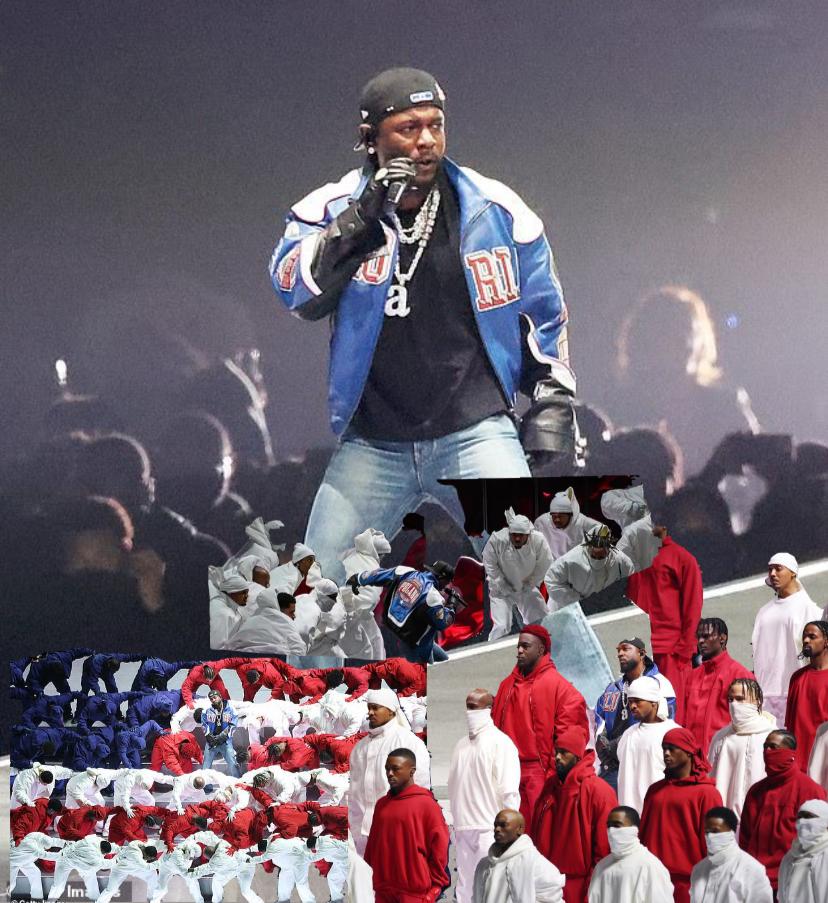
(The Post News)– On February 9, 2025, the Caesars Super-dome in New Orleans played host to a cultural phenomenon – Kendrick Lamar’s halftime show at Super Bowl LIX. The anticipation surrounding Lamar’s performance had been building for months, and he did not disappoint. With a setlist that included hits like “Not Like Us” and “Squabble Up,” Lamar delivered a performance that was both a declaration of Black excellence and a scathing critique of systemic racism.
The show began with a surprise introduction from actor Samuel L. Jackson, dressed as “Uncle Sam,” setting the tone for a night that would be both entertaining and thought-provoking. Lamar took the stage, perched atop a car, and launched into a medley of his hits. The crowd was electric, singing along to every word as Lamar highlighted his lyrical prowess.
But Lamar’s performance was more than just a showcase of his musical talents—it was a statement. A statement about the power of Black culture, the resilience of Black people, and the need for systemic change. As he performed “Not Like Us,” a song that has become a generational anthem, Lamar omitted the word that has sparked controversy and lawsuits. Instead, he told the crowd, “I want to perform their favourite song, but you know they love to sue.” It was a clever move, one that allowed Lamar to make his point without escalating the drama.
Throughout the performance, Lamar was joined by R&B singer SZA, who added her soulful voice to the mix. The chemistry between the two was undeniable, and their performances together were some of the night’s highlights. But even as Lamar shared the stage with SZA, he stayed the undisputed star of the show. His energy was infectious, his passion palpable, and his message clear.
In the end, Kendrick Lamar’s halftime show was more than just a performance – it was a cultural moment. A moment that reflected the times we live in, with all their complexity and challenge. A moment that celebrated the power and resilience of Black culture. And a moment that left an indelible mark on the world of music and beyond.
About the Author