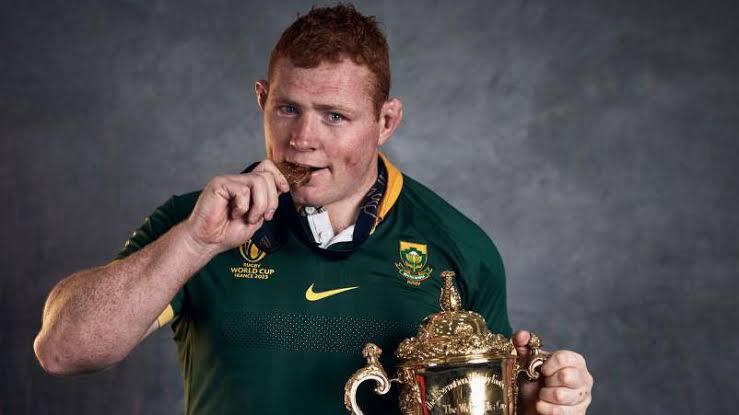
The turning point came last September when he consulted specialists after a serious neck injury in a Carling Currie Cup match. Ironically, he had only played that day to regain fitness for a possible Springbok recall. Instead, he found himself having a very different conversation with Springbok scrum coach Daan Human, who acknowledged his career was likely over.
Those close to Kitshoff knew his playing days were numbered. His injury affected the C1 and C2 vertebrae, an area so critical that it wasn’t just about mobility—it was about survival. Dobson noted the severity, explaining that if the injury had been slightly higher, it could have impacted his ability to breathe. Initially, Kitshoff struggled to accept that his career had ended so suddenly. However, after multiple consultations, he realised that continuing to play could have severe long-term consequences.
Kitshoff has come to terms with retirement, focusing on new opportunities. He considers himself fortunate to have avoided an even worse outcome and is now planning for the next phase of his life. He recognises that younger players deserve their chance and is grateful for his two World Cup victories, which he counts among his proudest achievements.
While nothing is set in stone, he hopes to remain involved in rugby, possibly in youth development or consulting. Dobson believes Kitshoff has much more to offer beyond playing and would welcome him back in a mentorship role when the time is right. As he moves forward, Kitshoff’s impact on South African rugby remains undeniable, both as a player and a leader.
About the Author