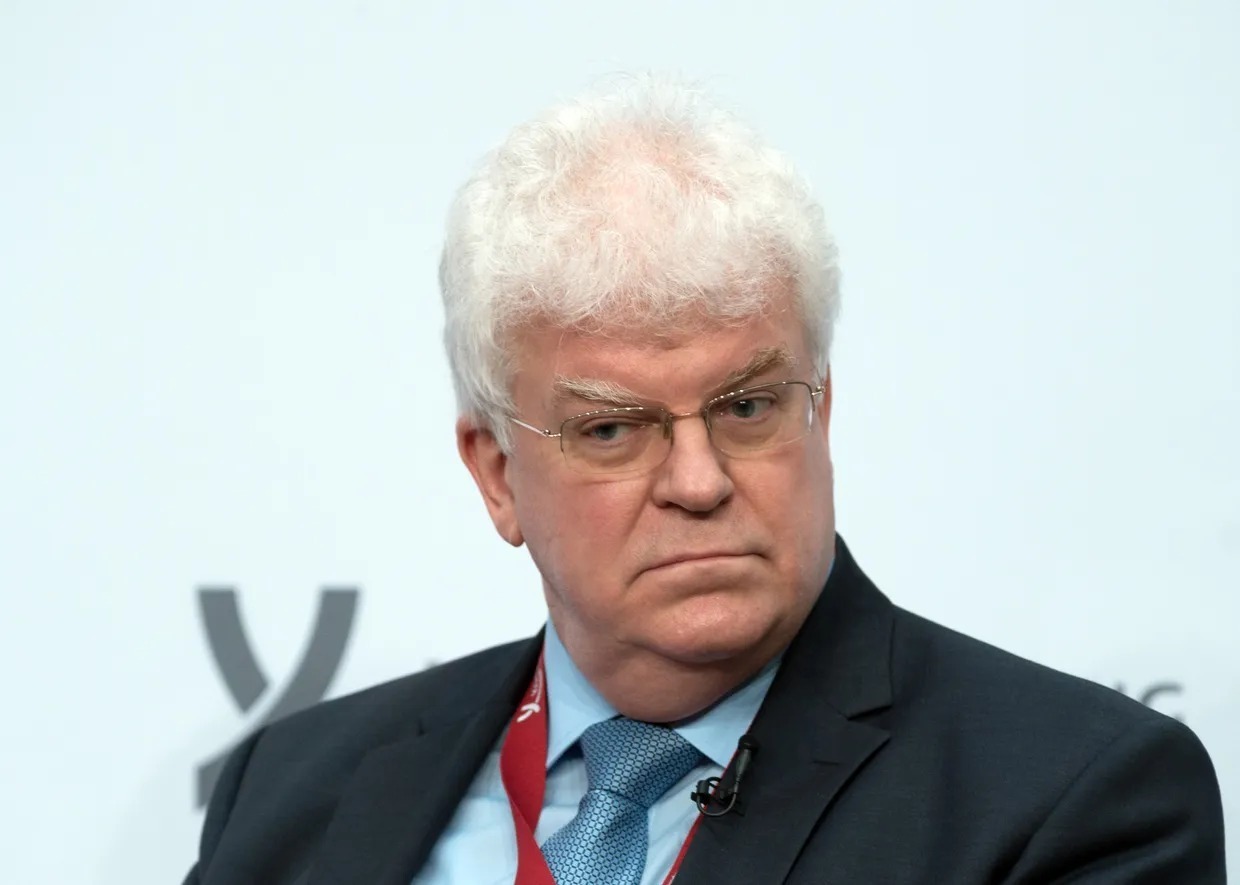
Vladimir Chizhov, deputy chairman of Russia's Federation Council Security Committee, said U.S. and Russian delegates at peace talks in Saudi Arabia nearly agreed on a joint statement, but Ukraine's position prevented its adoption. Getty Images
(The Post News)- President Donald Trump’s promise to quickly end the war in Ukraine encountered a major setback this week after the latest round of ceasefire talks between the U.S. and Russia failed to produce a written agreement. While both sides had agreed in principle to a 30-day ceasefire, Russia’s ongoing airstrikes and Ukraine’s assertion that Moscow is not serious about peace highlighted their continued differences.
The discussions, held in Saudi Arabia, were expected to yield a joint statement, but no announcement followed. Russian officials pointed to Ukraine’s position as the main obstacle. Vladimir Chizhov, Russia’s first deputy chairman of the defense committee, explained that although both parties seemed close to an agreement after 12 hours of talks, Ukraine’s stance led to the collapse of the negotiations.
Even though both countries indicated that they would be open to the idea of a 30-day ceasefire, Russia’s demands were everything but accommodative. Kyiv rejected Russian President Vladimir Putin’s demands that Ukraine cede important sections of its territory. Furthermore, the possibility of a lasting settlement was weakened by Russia’s ongoing shelling of Ukraine. Ukrainian authorities reported ongoing drone attacks, including 139 Shahed drones launched on March 24, hitting regions like Kharkiv, Kyiv, and Odessa. Ukrainian Foreign Minister Andrii Sybiha urged Russia to stop bombing civilians and emphasized that diplomacy should be supported by continued pressure and sanctions.
Despite the theoretical ceasefire agreement, the two sides had different interpretations of what it would entail. Russian representatives emphasized the protection of energy infrastructure, while the U.S. suggested broader terms. A contentious issue was the “Black Sea Initiative,” a deal that had allowed Ukraine to export grain while minimizing the impact of sanctions on Russian food and fertilizer exports. Russia suspended the deal in 2023, demanding clearer guarantees from the West. Russian Foreign Minister Sergey Lavrov stated the deal could only resume if the U.S. ordered Ukrainian President Volodymyr Zelenskyy to comply.
About the Author