Myanmar quake death toll surpasses 3,000 as weather raises health concerns. Image: CNA.
(The Post News)– Over 3,000 people have died in Myanmar earthquake. Meanwhile, survivors have been forced to camp outdoors, facing heightened risk of disease outbreaks due to scorching heat and torrential rains, according to global aid agencies.
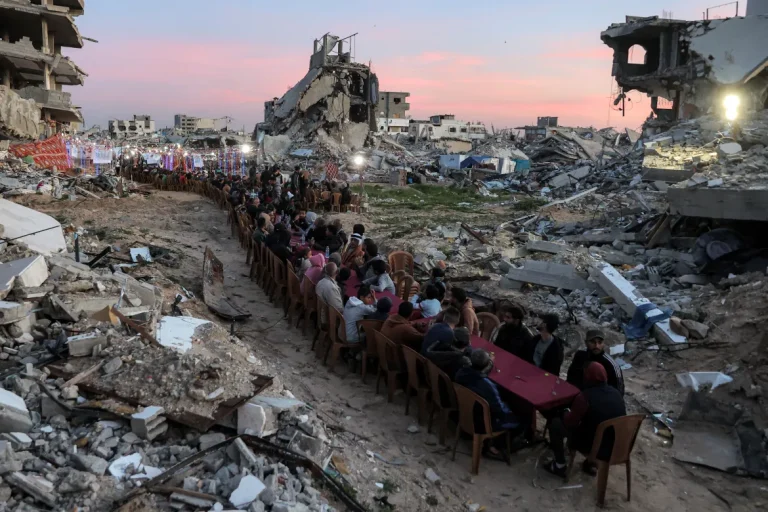
This health threat, combined with the challenges of ongoing civil war, is hindering relief efforts. A devastating 7.7-magnitude earthquake struck Myanmar last Friday, impacting a region of 28 million people. The quake, one of the country’s most powerful in 100 years, caused widespread destruction, leveling hospitals, communities, and leaving countless people without access to basic necessities like food, water, and shelter.
According to the ruling junta, the earthquake’s toll continued to climb, with 3,085 confirmed deaths, 4,715 people injured, and 341 reported missing as of Thursday. The World Health Organization has warned of a potential surge in cholera and other diseases in the hardest-hit areas, including Mandalay, Sagaing, and Naypyitaw. In response, the WHO is preparing $1 million worth of emergency aid, including relief supplies and body bags.
Elena Vuolo, deputy head of the WHO’s Myanmar office, expressed concern about a potential cholera outbreak, citing last year’s outbreak in Mandalay as a worrying precedent. The risk of disease outbreaks has been exacerbated by the damage to approximately half of the healthcare facilities in the quake-hit areas. Hospitals in Mandalay and Naypyitaw were among those destroyed, further straining the region’s already fragile healthcare infrastructure.
According to Vuolo, many people were forced to camp outdoors in sweltering 38-degree Celsius heat because they were too fearful to return home. Meanwhile, hospitals were also establishing temporary outdoor facilities to cope with the crisis. Vuolo warned that prolonged crises like the one in Myanmar could lead to outbreaks of skin diseases, as well as mosquito-borne illnesses like malaria and dengue fever.
The relief efforts in Myanmar may face additional challenges due to forecasted unseasonal rains from Sunday to April 11, which could further jeopardize the earthquake-devastated regions. Titon Mitra, the UN Development Programme’s representative in Myanmar, warned of impending rains during a visit to Sagaing, stating, “I’ve been told that rains are expected within the next day or two.”
Mitra warned that impending rains could worsen the crisis, particularly for those living in temporary shelters or makeshift camps. He also expressed concerns about the risk of waterborne diseases spreading due to inadequate sanitation and contaminated water sources.
About the Author