DA federal council chairperson Helen Zille says the party will continue to-pursue court action on VAT case despite staying in the GNU. Photo: Business Day
On April 12, Trump shared a video on Truth Social featuring Economic Freedom Fighters (EFF) leader Julius Malema singing the controversial chant “Kill the Boer,” using it to justify his refusal to attend the G20 Leaders’ Summit set for November. He also repeated accusations that South Africa is targeting white farmers through state-sanctioned land seizures and violence, claims that have been widely discredited by multiple human rights groups and the South African government.
In the post, Trump wrote: “They are taking the land of white farmers, and then killing them and their families. The media refuses to report on this.” He went on to say the US would “act” and announced he would cut future funding to South Africa unless an investigation is launched.
This isn’t the first time Trump has invoked the white genocide conspiracy theory, a narrative previously pushed by far-right groups such as AfriForum and Solidarity. These groups lobbied Trump’s administration after South Africa passed the Expropriation Bill in December, a law that allows land redistribution without compensation under specific circumstances. The South African government, however, has continuously insisted that the measure does not amount to land confiscation and complies with constitutional standards.
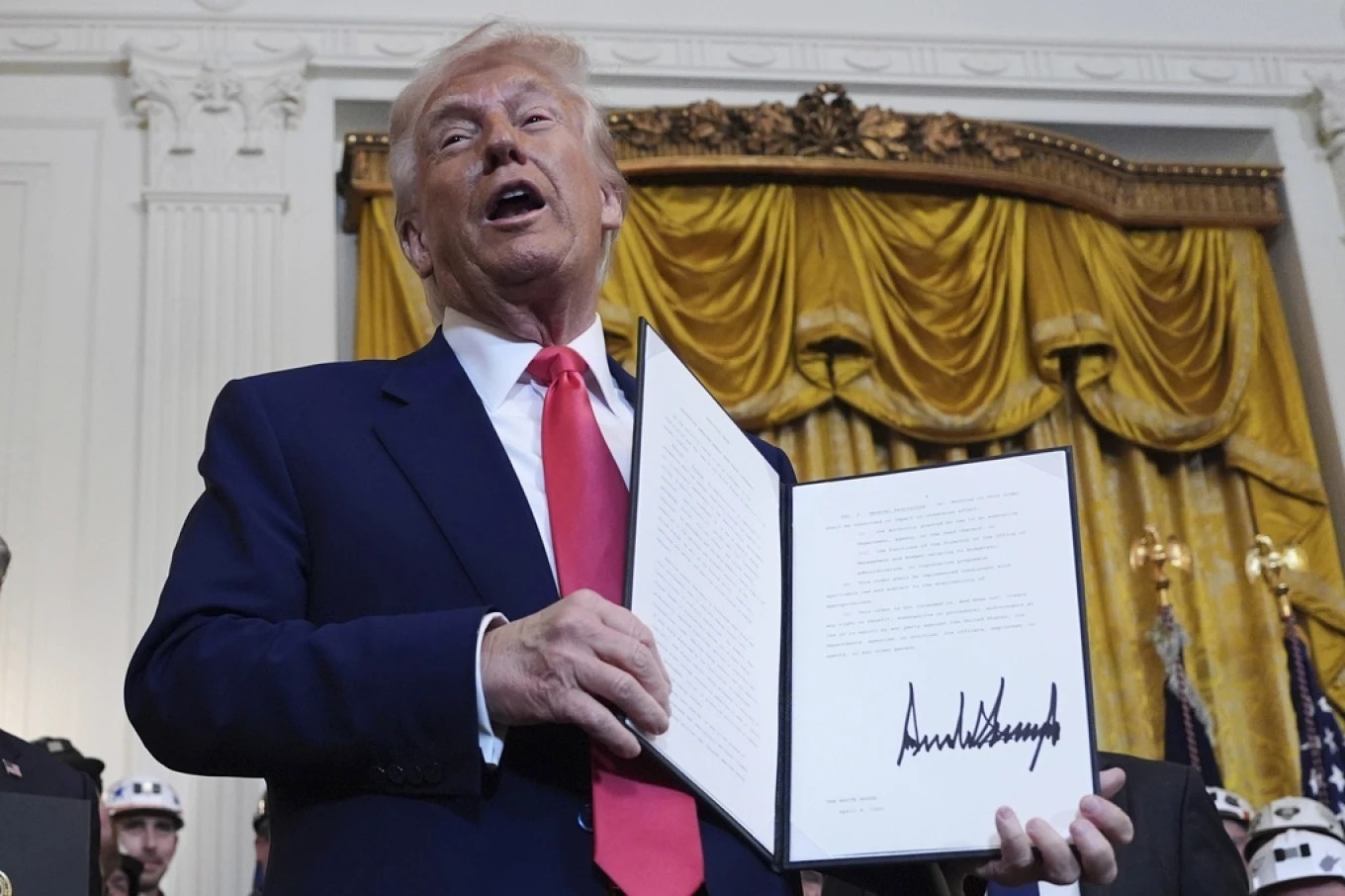
The bill allegedly permits the government to seize land from “ethnic minority Afrikaners” without paying them, according to an executive order signed by Trump in February 2025. Critics claim that this phrasing is reminiscent of debunked rhetoric. Speaking at a press conference earlier this year, Trump said, “Terrible things are happening in South Africa.” He claimed that white South Africans were being “treated very badly” and confirmed that the US had already halted financial contributions to the country.
Among the halted programmes is the President’s Emergency Plan for AIDS Relief (PEPFAR), which previously contributed around $2.3 billion (R42 billion) to South Africa’s HIV/AIDS response. The cut represents a roughly 17% reduction in South Africa’s overall health funding, a move that has raised alarm among local health organisations.
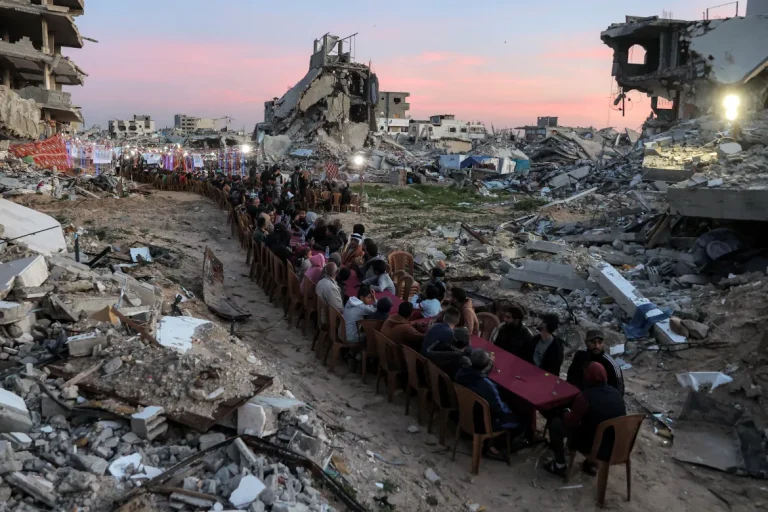
Tensions between the US and South Africa have also flared over Pretoria’s position on international issues. South Africa’s referral of Israel to the International Court of Justice over alleged genocide in Gaza further strained diplomatic ties. Earlier this year, US Secretary of State Marco Rubio declined to attend the G20 foreign ministers’ meeting in Johannesburg, describing the event as pushing an “anti-American” agenda.
In response to Trump’s recent comments, President Cyril Ramaphosa’s spokesperson told journalists that the administration was “not expecting him to attend in any case.” The EFF, the opposition party featured in Trump’s video post, hit back, accusing the US president of using the party as a scapegoat. “He is simply dodging accountability for his trade wars and failed policies,” the EFF said in a statement. The party has long called for radical land reform but insists that changes should be made through legal and constitutional processes.
About the Author