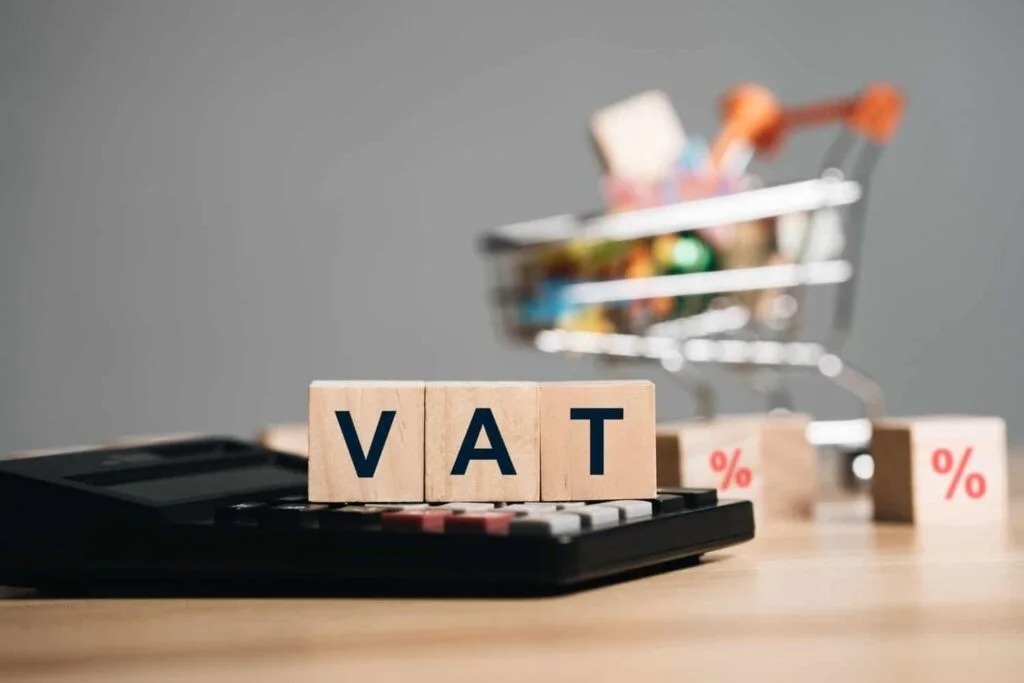
0.5% VAT hike is a show, a low-risk, high-visibility political move, but doesn't challenge the economic order, nor does it address structural inequalities in taxation or public spending according to analysts. Imaage: Shutterstock.
(The Post News)– Finance Minister Enoch Godongwana has scrapped plans to raise VAT, backing down after a political backlash that threatened the stability of the ruling coalition government. The climb down came amid fears that Parliament might reject the national budget altogether which is a rare and risky move in South African politics.
With Godongwana warning of an impending financial crunch, the planned 0.5% VAT hike was intended to fill in the gaps in the Treasury’s budget. However, detractors claimed the raise would disproportionately harm the poor. To preserve the fragile alliance, the ANC was compelled to quickly backtrack due to pressure, particularly from the DA.
However, some people do not believe that the VAT argument was genuinely about helping the poor. A VAT rise is regressive on paper. Regardless of wealth, everyone pays the same amount. However, the impact might not be as negative as it seems. A 0.5% hike would’ve meant paying an extra R5 for every R1000 spent on taxable goods. In contrast, the recent electricity price jump of nearly 15% means R127 more a month for a household spending R1000 on power. That’s over R1500 a year, far more than any VAT increase. Most poor households don’t spend that much on VAT-able items anyway. Many essential goods are already zero-rated. So, while the tax is unfair in principle, its real-world effect on the poor might’ve been relatively small.
In other words, the problem isn’t just how we raise money, it’s how we spend it. Roads full of potholes, clinics with no meds, schools with no toilets. That’s where people feel the failure. And that’s where the political debate is strangely quiet. Instead of fighting over tax rates, critics say parties should be pushing for better budgeting, proper oversight, and infrastructure investment that actually reaches the ground. There’s also been little appetite to discuss bolder reforms, like wealth taxes or land value taxes that could redistribute wealth more directly.
About the Author