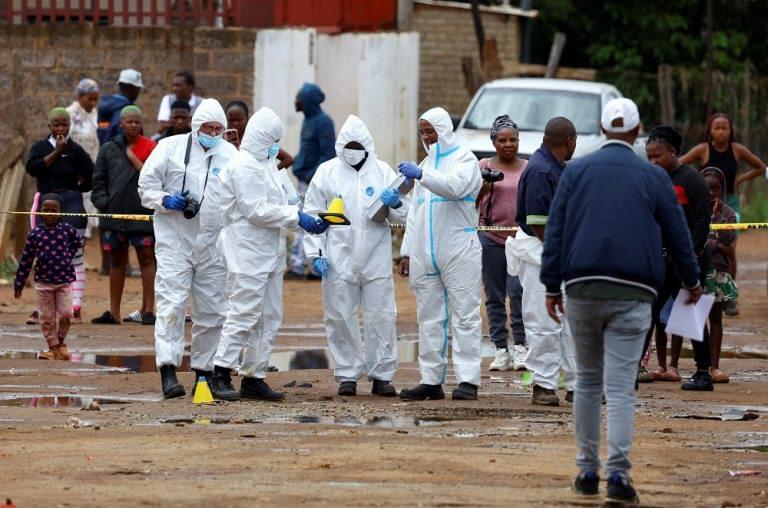
In order to provide the affected families closure, the Department of Health has praised Tiger Brands’ decision to settle the listeriosis class action. The 2017 outbreak caused 218 deaths and over 820 infections and was linked to contaminated processed meat products from a Tiger Brands situated in Polokwane. If a family member has medical information that could support a valid claim, the company is encouraging them to come forward.
Relevant documentation for the settlement process is being provided by the National Institute of Communicable Diseases (NICD). Stronger supply chain-wide food safety regulations were demanded in response to the incident. Foster Mohale, a health spokesperson, stated that in order to stop epidemics in the future, intersectoral coordination on food safety is still essential.
In 2017 the incident, tainted processed meat products from a Tiger Brands caused over 1000 infections and 218 killed. Food that were linked with the outbreak were ready-to-eat meat, soft cheeses, deli meats, unpasteurized milk and products, along with other related foods.
The epidemic demonstrated how important it is to prepare and handle ready-to-eat foods with constant and strict adherence to food safety regulations. Public health still depends on food safety and hygiene practices to decrease food waste, prevent foodborne illnesses, and prevent costly food recalls.
About the Author