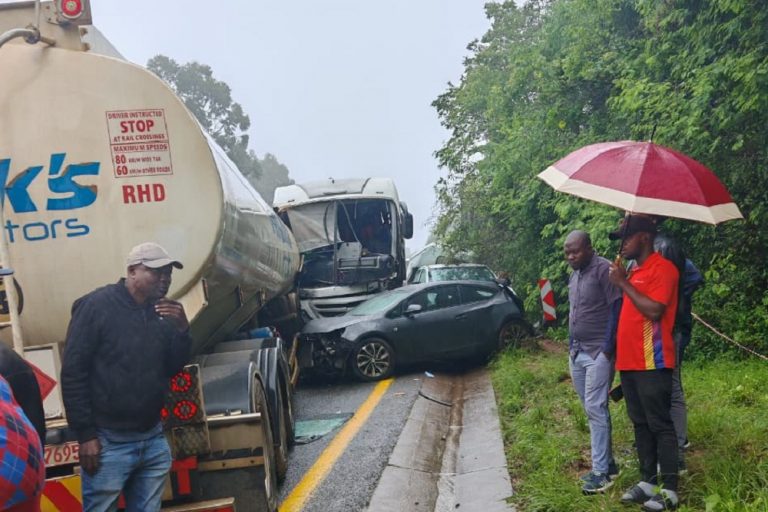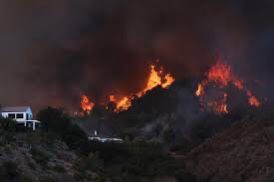
Climate driven disasters put insurance industry to the test. Source image: AOL
As the Los Angeles wildfires continued to burn, President Donald Trump started rolling back climate policies introduced during the Biden administration. The January wildfires, exacerbated by climate change, had already destroyed nearly 40,000 acres of land and tens of thousands of homes. Meanwhile, Adam Smith, lead researcher for the Billion-Dollar Weather and Climate Disasters program, was assessing the wildfires’ costs when he received an informal directive to halt all communications on his work. Smith’s team had tracked losses from natural disasters exceeding $1 billion in damages since 1980.
Due to the instruction, Smith couldn’t share preliminary findings, which estimated the fires’ damages at over $50 billion, a figure expected to rise further. Smith stepped down from his position at NOAA in early May due to concerns that the agency would discontinue the billion-dollar weather and climate disaster database he had developed over 15 years. Shortly after, NOAA confirmed Smith’s fears, announcing it would no longer update the database. This decision left the official damage estimate for the LA wildfires unlisted and eliminated a crucial resource for scientists, citizens, and insurance companies assessing climate risks. According to NOAA, the decision aligns with shifting priorities and staffing adjustments.
Smith emphasized the database’s importance, given the increasing frequency of billion-dollar disasters like hurricanes and wildfires. In 2023, the US set a record with 28 such disasters, and over the past five years, the country has averaged 24 annually, compared to just three in the 1980s. Smith stressed the need for preparedness, saying, “We have to be more prepared now than ever… Having data and information creates a better understanding of what’s possible.” The database’s discontinuation leaves a significant knowledge gap.
Climate change is significantly impacting the insurance industry by driving more extreme weather events, such as hurricanes and wildfires. This increase in frequency and severity leads to higher costs for insurers, who struggle to accurately assess risks and determine premiums. Consequently, insurance rates are rising sharply, especially in areas prone to natural disasters. For instance, Louisiana and Florida are seeing annual premiums approach $10,000, while California faces an insurance crisis with major companies withdrawing due to elevated fire risks.
Rising global temperatures have increased the risk of drought and wildfires in the western United States, while also leading to more intense storms and hurricanes in cities nationwide. This surge in extreme weather events poses significant challenges to the insurance industry and policyholders in vulnerable areas. Climate change is driving up insurance rates, particularly in hurricane-prone states like Louisiana and Florida, where homeowners may pay nearly $10,000 annually.
In California, major insurers like State Farm are pulling out due to high fire risks, contributing to the state’s insurance crisis. According to researchers, climate-vulnerable households can expect to pay $700 more in annual premiums over the next 30 years. A report by Munich Re found that natural disasters caused $140 billion in insured losses globally in 2024. Carly Fabian, a policy advocate, notes that the insurance industry is not equipped to handle the frequency and severity of recent disasters, emphasizing the need for adaptation.
About the Author