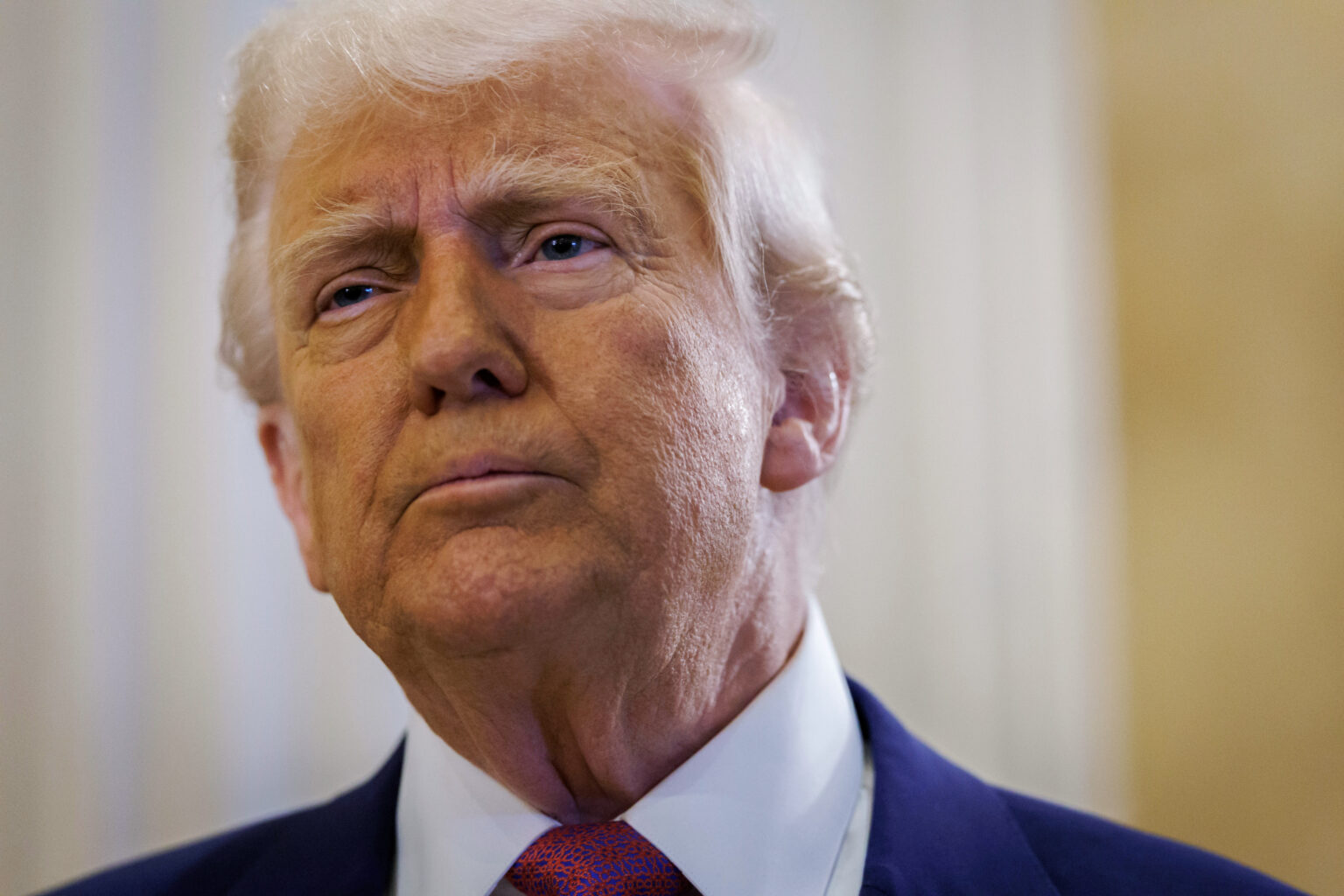
Appeals court pauses decision challenging Trump’s trade tariffs, keeping policy intact for now. Image: Bloomberg.
(The Post News)– The Trump-era tariff policy targeting steel and aluminium imports received a temporary legal reprieve this week, as a federal appeals court issued a stay on a lower court ruling that challenged the legality of the measures. The decision allows the tariffs to remain in place while the case continues to wind its way through the courts.
The tariffs, implemented by President Donald Trump under Section 232 of the Trade Expansion Act of 1962, were justified on the basis of national security concerns. They imposed duties of 25% on steel and 10% on aluminium imports, drawing both domestic controversy and international backlash.
The spokesperson for the U.S. Department of Justice, which is defending the tariffs, noted that the stay is a significant step towards maintaining a policy that protects American business and national security. The spokesperson added that the court’s decision to suspend the lower order allows us to offer a complete case for why these actions are lawful and necessary.
The pause follows a lower court ruling that found the administration had exceeded its authority in applying the tariffs without adequate justification or timely review. Critics argue the measures have increased costs for American manufacturers and strained relations with key trade partners.
According to Laura Kim, legal counsel for one of the trade groups challenging the tariffs, the policy has negatively impacted U.S. businesses and consumers for a long time. Kim said that even though they are disappointed by this stay, they are still optimistic that the courts will eventually decide in favour of justice and due process.
Supporters of the tariffs argue that they revived critical domestic industries and reduced dependency on foreign steel and aluminium. “President Trump took bold action where others wouldn’t,” said Peter Navarro, a former White House trade adviser. “This court decision shows that his policies continue to hold strong legal ground.”
Trade analysts say the outcome of this case could set an important precedent on the scope of presidential power in trade policy. If the courts ultimately strike down the tariffs, it could significantly limit the ability of future administrations to act unilaterally on trade under the guise of national security.
A final decision in the case is not expected until later this year. In the meantime, U.S. importers, manufacturers, and global trade partners await further clarity on the future of one of the most controversial economic policies of the Trump administration.
About the Author