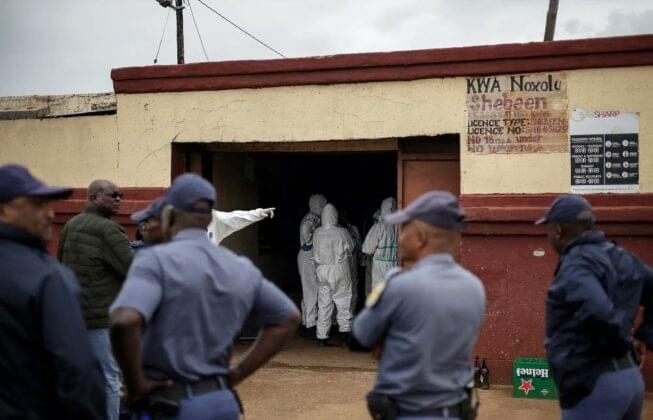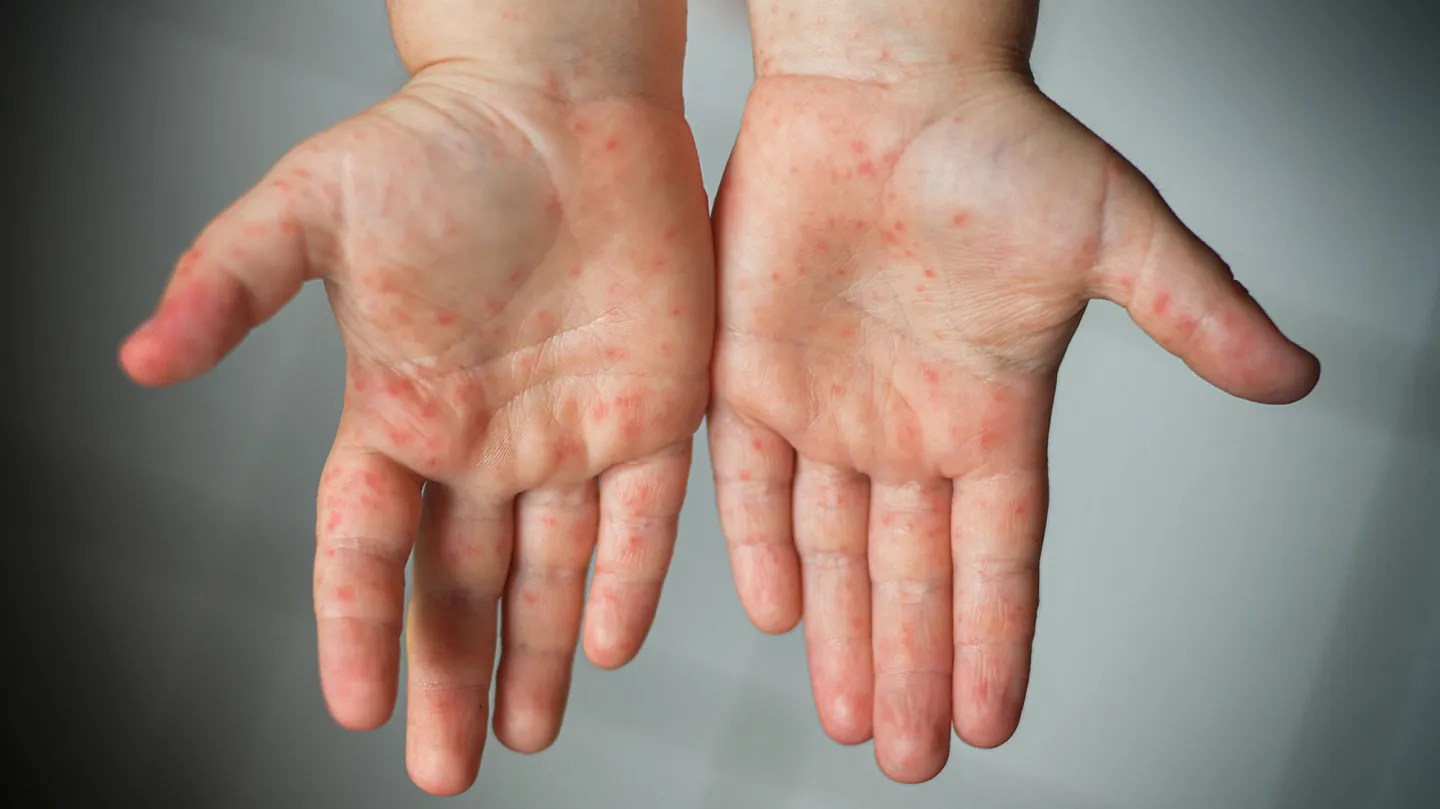
Gauteng health officials are responding to a measles outbreak, with 181 confirmed cases reported so far this year. Most cases are in Johannesburg, Tshwane, and Ekurhuleni. Image: iStock.
(The Post News)– The Gauteng Department of Health is working to manage a measles outbreak after 181 confirmed cases were reported between 1 January and 13 June 2025. Most of the cases have been found in Johannesburg, Tshwane, and Ekurhuleni. Health officials have increased vaccination efforts and awareness campaigns to help stop the spread of the virus.
Over 18,000 schoolchildren have already been vaccinated as part of the province’s expanded measles campaign. With low immunisation rates seen as a major factor in the outbreak, Gauteng health officials are stepping up efforts to improve coverage and reduce the spread of the highly contagious virus.
Tshwane has reported the highest number of measles cases so far, with Mamelodi (35 cases) and Winterveld (10 cases) identified as key hotspots. Johannesburg has confirmed 64 cases, while Ekurhuleni has 12, and West Rand has reported one case. Sedibeng has not recorded any cases yet but remains on high alert, as measles spreads easily and can infect up to 90% of people who are not vaccinated and come into close contact with the virus.
According to Motalatale Modiba, spokesperson for the Gauteng Department of Health, the outbreak is fuelled by a “concerning immunity gap” in the province.”
Health officials say coverage for the second dose of the measles vaccine is still below 75% in both Johannesburg and Tshwane. This falls short of the 90–95% needed to build herd immunity and stop the spread. As a result, many children and even some adults who were previously vaccinated are at risk. Measles can lead to serious health problems, including pneumonia, brain swelling, and even blindness.
The Gauteng Department of Health is working closely with local districts, the National Institute for Communicable Diseases (NICD), and global partners like the World Health Organization (WHO) and UNICEF to help manage the measles outbreak.
Teams are improving community monitoring and running health campaigns to teach people about how to prevent measles and rubella. Parents are being asked to check their children’s Road to Health booklets and visit their nearest clinic for free vaccinations.
The Outbreak Response Team in Tshwane is operating across 24 primary health clinics to support vaccination efforts. Meanwhile, in Johannesburg, campaigns are focused on busy areas like the taxi ranks in Diepsloot and Cosmo City. To help reduce doubts about vaccines, the health department is actively engaging with local communities, sharing clear information about the safety and benefits of the measles-rubella (MR) vaccine.
About the Author