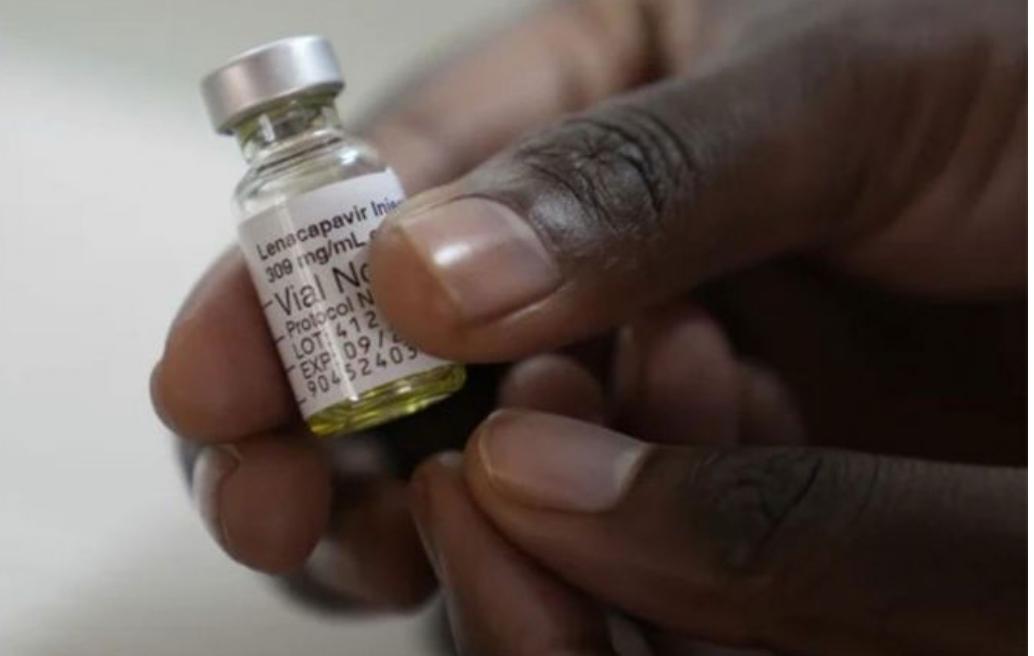
A vial of lenacapavir. The HIV prevention drug, delivered twice yearly by injection, has shown remarkable effectiveness in quashing HIV in trials. However, the high cost of the drug, poses a major barrier to its widespread use and could prevent it from being a true "game-changer”. Image: UNAids
The drug, called lenacapavir, is made by pharmaceutical giant Gilead Sciences. It offers protection similar to daily oral PrEP (pre-exposure prophylaxis) pills, but with one major difference: it only needs to be taken twice a year. That could be a massive advantage for people who struggle to take pills every day or face stigma at clinics.
In two major clinical trials, lenacapavir showed near-total prevention of HIV in people at high risk, results that beat the effectiveness of existing daily prevention methods. The U.S. Food and Drug Administration (FDA) approved it earlier this month, sparking calls for a global rollout. “This really has the possibility of ending HIV transmission,” said Greg Millett, public policy director at amfAR, The Foundation for AIDS Research.
But there’s growing backlash against the price. Gilead has listed the shot at $28,218 (over R520,000) per person per year in the U.S. In contrast, researchers writing in The Lancet HIV this week found that generic production of lenacapavir could cost as little as $25 to $40 (about R470 to R750) per year, depending on demand. Winnie Byanyima, Executive Director of UNAIDS, didn’t mince her words. “It is beyond comprehension how Gilead can justify a price of $28,218,” she said. “If this game-changing medicine remains unaffordable, it will change nothing.”
Byanyima acknowledged the breakthrough but warned it would be meaningless unless Gilead dropped the price. “Lenacapavir could be the tool we need to bring new infections under control – but only if it is priced affordably and made available to everyone who could benefit,” she said. Back home in South Africa and across much of the Global South, access to the shot could make a massive difference. But with declining foreign aid and budget cuts to public health, many worry that even with FDA approval, most people won’t see the jab anytime soon. For now, it’s a medical milestone clouded by financial barriers, and an urgent question: who gets the shot, and who gets left out?
About the Author