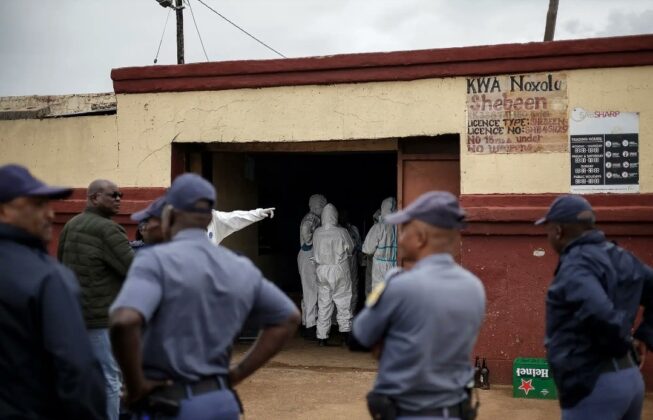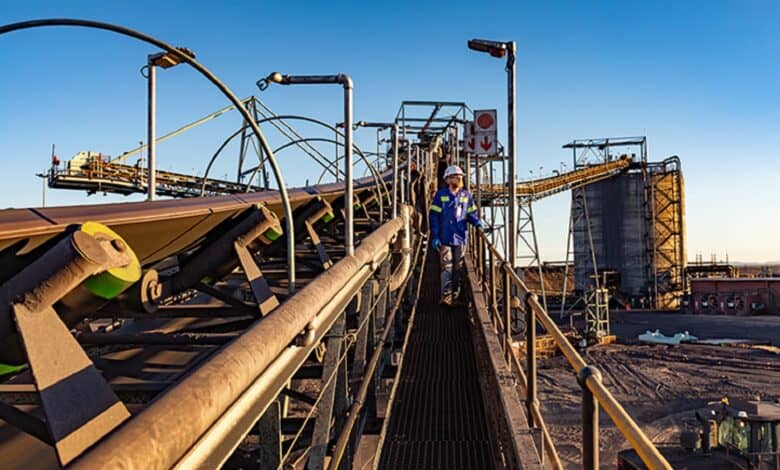
Nearly 600 workers face job losses as Assmang announces the permanent closure of its Cato Ridge ferromanganese smelter. Community members brace for economic fallout, while hopes for redevelopment linger. Image: Assmang.
(The Post News)– Assmang Proprietary Limited, jointly owned by Assore South Africa and African Rainbow Minerals, has confirmed the permanent closure of its Cato Ridge Works Ferromanganese Smelter in KwaZulu-Natal, effective August 31, 2025.
The closure follows a structured consultation process and is expected to impact nearly 600 jobs. The company attributed the decision to ongoing financial pressures, operational challenges, and weaker global demand for manganese alloys, which have made the facility unsustainable.
A total of 358 permanent employees and 193 contract workers, many residing in nearby communities such as KwaXimba and Cato Ridge, will be affected. Trade unions and local leaders have voiced concerns that the closure represents a major setback for the region’s already fragile economy.
Assmang plans to sell the land, buildings, and houses linked to the plant to Assore SA PropCo for approximately R453 million. Although the closure will result in immediate job losses, the company has proposed transforming the Cato Ridge site into a commercial and logistics hub in the future.
Mzwandile Mkhize, a 44-year-old forklift driver with Assmang for 14 years, expressed deep disappointment at the news. “I still have to send my kids to school; they are still young, and I want to build a home for them,” he said.
Mzwandile also shared his concerns about securing new employment at his age. “These days, you need to be educated to get a job, and that’s a challenge for me because I didn’t continue with my studies,” he explained.
While the company offered counseling sessions to help workers cope with the closure, Mzwandile felt these were not fully effective, as the sessions were held during working hours, making attendance difficult.
He expressed concern that the Assmang closure could lead to increased unemployment and crime, as some people may resort to theft to survive. He noted that the impact won’t be limited to Assmang workers alone but will also affect the broader community, many of whom depended on those workers for support, such as helping transport children to school. As a result, some families may now have to remove their children from schools that require travel.
Although alternatives were suggested, Assmang argues that continuous cost challenges like expensive electricity and inefficient rail freight have made the facility financially unsustainable. Community leaders are urging that laid-off employees receive preference for future hiring.
About the Author