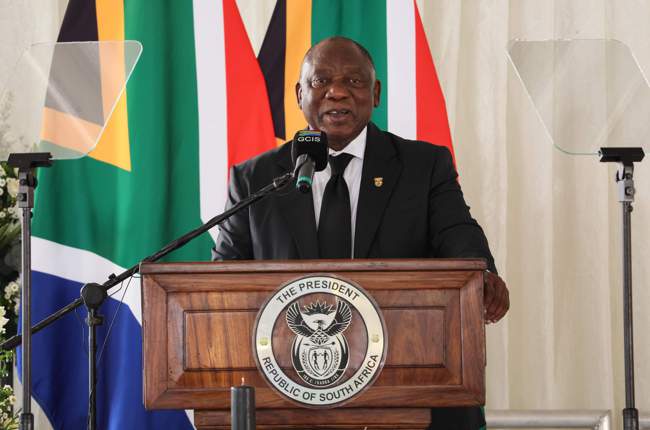
Can President Ramaphosa confront the growing crisis of political interference in policing, or will this moment pass without real accountability? Image: Supplied/GCIS.
(The Post News)– South Africa is once again grappling with concerns about political interference in law enforcement and state agencies. Many citizens are asking whether President Cyril Ramaphosa can appoint a broader commission of inquiry to investigate such claims.
According to South Africa’s Constitution, the President has the authority to establish commissions of inquiry into matters of public concern. This is not only a constitutional right but also a tool to promote transparency and accountability when serious allegations surface.
Former President Jacob Zuma used this power to establish the Zondo Commission, which brought the nation face-to-face with the harsh realities of state capture. That inquiry played a vital role in exposing widespread corruption and political interference. However, it also taught the country important lessons about what happens when findings are not followed by swift action. Many of the Zondo Commission’s recommendations remain unimplemented, leaving citizens frustrated and wary of inquiries that produce reports without delivering justice.
Addressing the nation yesterday, President Ramaphosa spoke directly about the importance of institutional independence. He announced that Minister of Police Senzo Mchunu has been placed on a leave of absence with immediate effect, following allegations that he may have interfered in operational policing matters. Ramaphosa stressed that no public representative should be involved in law enforcement operations, highlighting the importance of respecting constitutional boundaries.
To ensure transparency, the President has appointed Acting Deputy Chief Justice Mbuyiseli Madlanga to lead an independent judicial commission of inquiry into the allegations against Mchunu. He will be assisted by Advocate Sesi Baloyi and Advocate Sandile Khumalo, both respected senior counsels. The inquiry is expected to take between three and six months, reflecting the complexity of the task ahead.
While this investigation focuses on Mchunu, it has also reopened wider conversations about political interference in the police and justice system. Many South Africans are now watching to see whether this inquiry will lead to meaningful reform or whether it will follow the same path as past commissions, with findings but little change.
Ultimately, South Africa’s path to justice requires more than investigations. It demands courageous, decisive action that restores public trust. Without that, inquiries risk becoming ceremonies of delay, not instruments of accountability.
About the Author