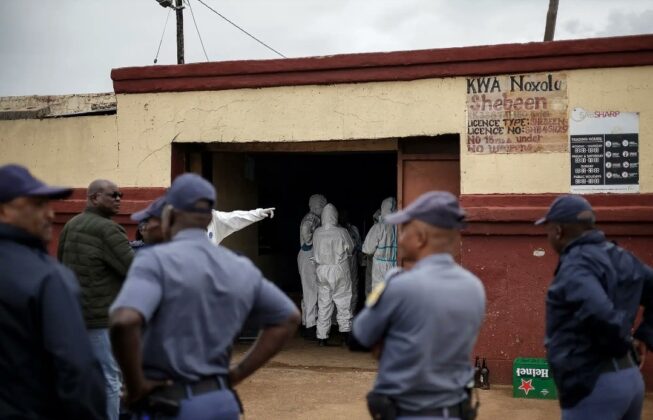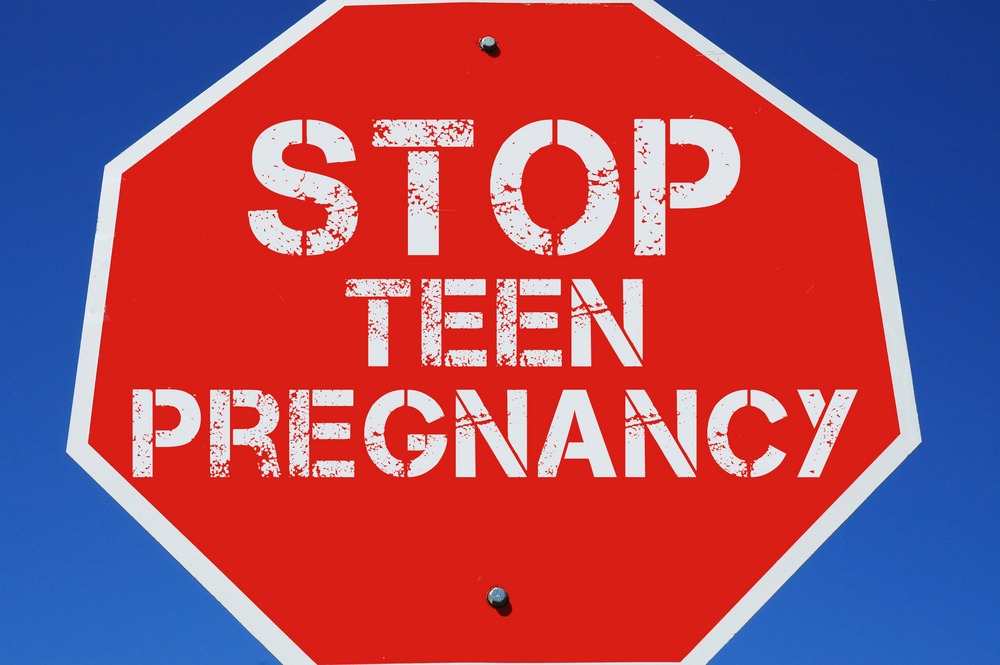
A universal call for action: The message to "Stop Teen Pregnancy" resonates strongly in South Africa, reflecting the urgent need to protect young lives and address the complex challenges leading to early pregnancies. Image: Rwanda National Police.
(The Post News)– South Africa is shadowed by a persistent and complex issue: teenage pregnancy. This challenge, deeply intertwined with socio-economic realities and cultural dynamics, profoundly impacts young lives, forcing big choices upon them and demanding a deeper understanding from society.
While overall pregnancy rates among young women have seen a gradual decline in recent years, a troubling surge in births to very young teenagers—those aged 10 to 14—signals a critical, ongoing pregnancy challenge that threatens the future of a vulnerable demographic.
The sheer scale of this pregnancy challenge is stark. In 2022, approximately 4% of females aged 14-19 reported being pregnant within the past year, according to Statista. This translates to over 400,000 pregnancies among young lives under the age of 25. The data further reveals how this challenge escalates with age, rising from a mere 0.3% among 14-year-olds to over 10% for 19-year-olds. Perhaps most alarming is the sharp rise in pregnancies among the youngest cohort: between 2017 and 2021, births to girls aged 10 to 14 soared by an alarming 48.7%.
This trend underscores the urgent need for understanding why such young lives are facing these big choices so prematurely. While some data from the South African Medical Journal points to a mixed impact of the COVID-19 pandemic, the overall picture highlights a complex, evolving pregnancy challenge.
Understanding the intricate web of factors driving this pregnancy challenge is crucial. Socio-economic hardship plays a pivotal role, as poverty often pushes young lives into situations where economic security, or its perceived lack, can influence big choices related to early sexual activity or marriage. Limited access to education, healthcare, and vital sexual and reproductive health services directly contributes to unintended pregnancies.
Cultural norms, peer pressure, and even a desire for children can subtly or overtly influence young lives, leading to big choices that might not align with their long-term well-being. Furthermore, systemic issues like gender inequality, pervasive gender-based violence, and inconsistent Comprehensive Sexuality Education delivery leave many young lives ill-equipped to navigate the complexities of their sexual health, exacerbating the pregnancy challenge.
The consequences for these young lives are profound, creating a cascade of health, educational, and socio-economic disadvantages. Teenage mothers face higher risks of complications like pre-eclampsia and premature labor, impacting both their health and their babies’ well-being.
This pregnancy challenge often leads to school dropout, severely limiting educational attainment and future career opportunities, thereby reducing earning potential and trapping families in cycles of poverty. Understanding the social isolation and stigma faced by these young lives is also critical, as it undermines their support networks.
The impact extends to the next generation, with children of teenage mothers at higher risk of developmental and social barriers, sometimes even repeating the cycle of this pregnancy challenge, underscoring the urgency of addressing these big choices effectively.
Addressing this pregnancy challenge effectively requires a concerted, multi-faceted approach aimed at empowering young lives to make big choices that lead to brighter futures. Strengthening comprehensive sexuality education with better teacher training, fostering genuine community engagement to build trust, and openly addressing religious and cultural sensitivities are vital steps. Furthermore, tackling underlying poverty and inequality is fundamental to addressing root causes.
Strengthening support systems for teenage mothers—including counseling, financial assistance, and childcare—is essential, as is promoting positive gender norms that challenge traditional expectations and combat GBV. Ultimately, enhancing economic empowerment and opportunities for young lives provides tangible alternatives and helps them envision a future free from the constraints of this ongoing pregnancy challenge.
By embracing this holistic understanding and committing to comprehensive interventions, South Africa can work towards significantly reducing the prevalence of this pregnancy challenge. The goal is to ensure that all young lives are empowered to make informed, deliberate, and truly big choices about their futures, fostering a society where every young person has the opportunity to thrive.
About the Author