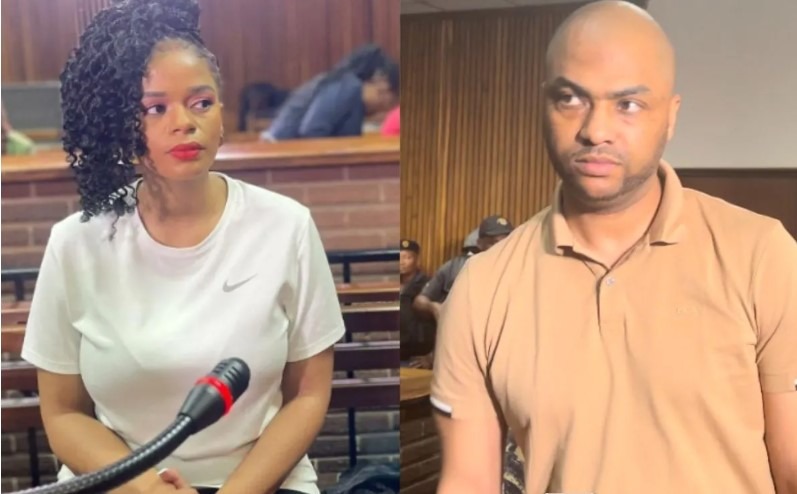
Magudumana and Bester’s Legal Battle to Gag New Documentary. Image: @AdvoBarryRoux via X.
(The Post News)– The Beauty and the Bester, a documentary about Thabo Bester and Dr. Nandipha Magudumana, faces legal resistance as the pair files an urgent application against Netflix.
The true-crime series explores their crimes, escape, and dramatic capture. Their lawyers argue the documentary could prejudice ongoing trials. Meanwhile, Netflix has defended its right to release the story in the public interest.
The pair, however, demands an interdict to halt the broadcast. They claim that the documentary sensationalizes private details and risks biasing future jurors. Experts, on the other hand, argue that such applications rarely succeed. The case may set an important precedent on how streaming platforms handle sensitive, ongoing legal stories.
Dramatic Past Fuels Beauty and the Bester Documentary Fight
The Beauty and the Bester documentary cannot be separated from the pair’s shocking history. In 2022, Bester, a convicted rapist and murderer, escaped Mangaung prison. Officials believed he had died in a fire, but later evidence revealed a staged death and body swap.
Police eventually captured him in Tanzania in 2023 with his partner, Magudumana. Once a respected doctor, she now faces charges for helping him escape. Their arrest created nationwide headlines and international intrigue. This prompted Netflix to turn their scandal into a documentary. Critics believe their objection shows fear of renewed public scrutiny. Meanwhile, their supporters argue that they want a fair trial, free from prejudice.
Why the Magudumana and Bester Documentary Case Matters
The Magudumana and Bester documentary court fight highlights tension between press freedom and fair trial rights. Netflix insists society has a right to access information about major criminal cases. The accused demand protection from prejudicial media influence. Judges must balance expression with judicial fairness.
If Magudumana and Bester succeed, producers could face stricter limits. If they fail, streaming platforms will have greater freedom with sensitive crime stories. Analysts view this case as a defining clash between digital storytelling and justice.
Next Steps in the Magudumana and Bester Documentary Court Case
The urgent application will be heard soon, although no exact date has been set, with the pair’s criminal trial expected later this year. They face charges including fraud, aiding escape, murder, and violating correctional rules. Prosecutors allege that their crimes were calculated, organized, and deeply deceptive.
Public interest in the Magudumana and Bester documentary remains intense. Social media debates whether Netflix should delay release until after the trial. Advocates of free press support immediate airing. Others argue timing may compromise justice. Regardless of outcome, Magudumana and Bester remain central to South African headlines.
Observers believe the Magudumana and Bester documentary could reshape how South Africans view crime, justice, and media responsibility. True-crime productions often capture wide audiences, but they can also blur the line between storytelling and fairness.
Supporters of the documentary argue it sheds light on the failures of the prison system and the extraordinary escape that embarrassed authorities. They insist that citizens have a right to understand how such crimes unfold and how institutions respond.
Critics counter that Netflix prioritizes entertainment value over the principles of justice. They stress that the Magudumana and Bester documentary risks turning an ongoing case into sensational television that could prejudice court outcomes.
Legal analysts warn the Magudumana and Bester documentary court challenge may influence future legal battles involving media and crime. If judges side with Netflix, streaming services could gain stronger protection to air controversial content before trials conclude.
However, if Magudumana and Bester succeed, production houses may be forced to delay sensitive stories until after judgments. The stakes extend beyond this single case, potentially redefining how South African courts manage conflicts between justice and storytelling.
About the Author