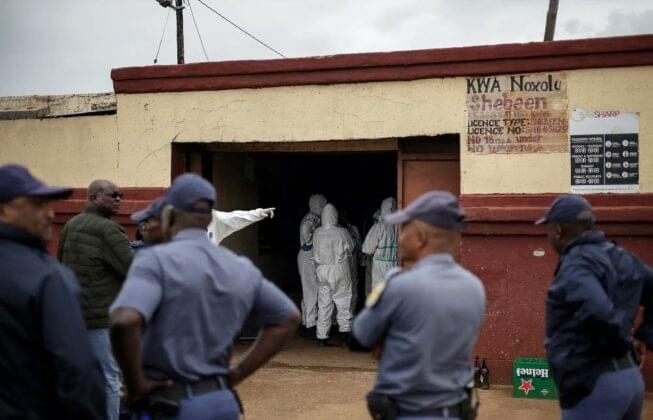
Advocates claim that the US-deported individuals in Eswatini face illegal detention. Credit Image: The Gurdian.
(The Post News)- Lawyers representing five men say the US deportation to Eswatini has left their clients unlawfully detained and isolated, with limited access to legal counsel. The men, from Vietnam, Jamaica, Laos, Yemen, and Cuba, all completed their sentences and were released in the United States, yet authorities deported them in July without prior notice, labeling them “heinous criminals.”
The US deportation to Eswatini is part of a broader US policy relocating migrants and former inmates to third countries. Over the months, officials sent eight men to South Sudan, seven to Rwanda, and 252 Venezuelans to El Salvador before eventual transfer.
Lawyers say these deportations, often executed without warning, leave individuals vulnerable, isolated, and subject to unclear legal procedures in unfamiliar countries.
Limited Legal Access and Communication Barriers
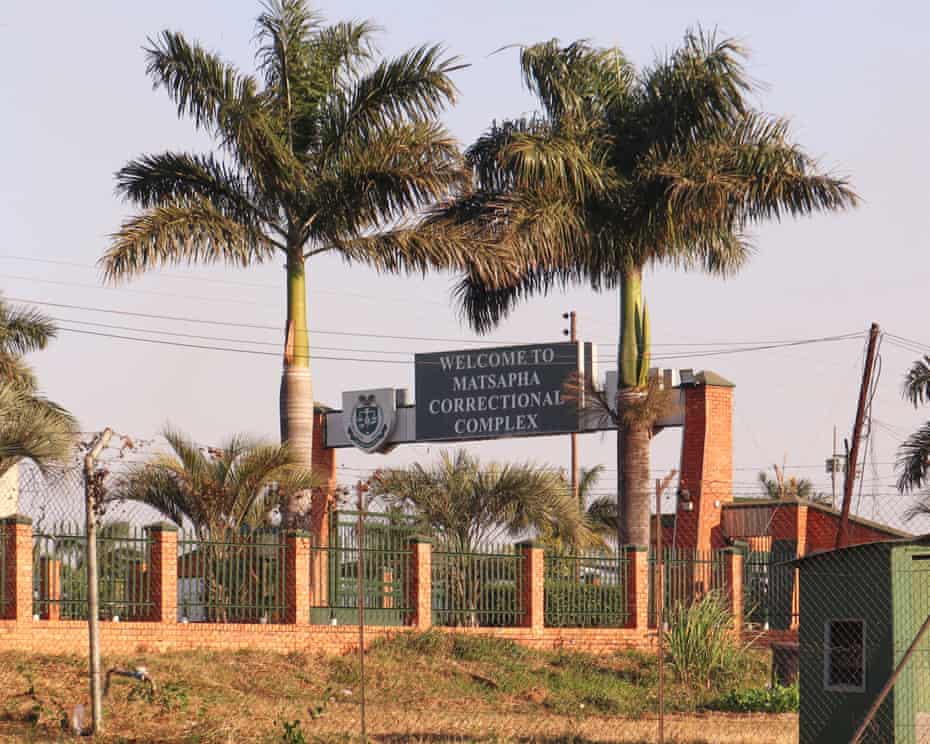
Attorneys report they cannot communicate privately with their clients. The men are permitted only one brief video call per week, monitored by prison officials. An Eswatini-based lawyer assigned to represent the five men has been barred from visiting them at the maximum-security Matsapha Correctional Facility.
The lawyer filed a petition to gain access, but a judge postponed the hearing scheduled for Monday due to absence, explained Alma David, who represents the Yemeni and Cuban men.
When US authorities carried out the US deportation to Eswatini, Assistant Homeland Security Secretary Tricia McLaughlin described the men as “so extraordinarily brutal their countries of origin rejected their return.” Jamaica’s Foreign Minister Kamina Smith disputed that claim, stating, “Our government has not refused the repatriation of any nationals,” and pledged to assist in their return. She later confirmed that diplomats visited Orville Etoria in prison on 21 August and found him “in good spirits.”
Etoria, 62, entered the United States legally in 1976 at age 12, according to his lawyer, Mia Unger of the Legal Aid Society. Convicted of murder and sentenced to 25 years in 1997, he earned an undergraduate degree while incarcerated. He won parole in 2021 and worked at a men’s shelter while pursuing a master’s in divinity before deportation.
Etoria complied with Immigration and Customs Enforcement (ICE) requirements and obtained a Jamaican passport earlier this year at their request. His family told Unger that he was initially boarded on a flight to Jamaica but later removed. She called his removal to Eswatini “illogical.”
US Deportation to Eswatini: Rights Advocacy
Lawyers have kept the identities of the other four men confidential at their families’ request. The Yemeni man, 70, served 22 years for murder and was released in 2020. He had lived in Michigan since childhood. The Cuban individual, in his mid-50s, previously worked as a plumber in Florida.
He served nine years for attempted murder, ending in 1996, and three years for grand theft auto, ending in 2012. Alma David reported brief conversations with both men while guarded. She said the prison director told her that only the US embassy in Eswatini could authorize visits. “Since when does the US embassy control access to Eswatini’s correctional institutions?” she asked.
Tin Thanh Nguyen, who advocates for the Vietnamese and Laotian detainees, reported that the men are 34 and 45 years old. They were released in 2015 and 2023, respectively. The Laotian man’s family noticed depressive symptoms following his deportation. Nguyen criticized the US, saying, “They are outsourcing their detention to rid themselves of immigrants and refugees and to create a spectacle of deportations.”
A coalition of Eswatini NGOs recently challenged the nation’s acceptance of the deportees on constitutional grounds. They argued that parliament had not been consulted and that the men’s human rights were being violated. An Eswatini government spokesman declined to comment, citing ongoing legal proceedings.
The US Department of Homeland Security and ICE did not respond to requests for comment. Advocates and lawyers continue to pressure both US and Eswatini authorities for access and clarity. They argue that the men, who have long histories in the United States, face isolation and uncertainty in a country where they have no personal ties or legal guidance.
The case highlights broader concerns about US deportation to Eswatini and similar policies. Legal experts warn that sending individuals to third countries without consent or clear arrangements violates international norms and can create long-term legal and psychological consequences.
Families of the deportees continue to campaign for their return, while lawyers prepare legal challenges to secure their clients’ rights and humane treatment.
About the Author