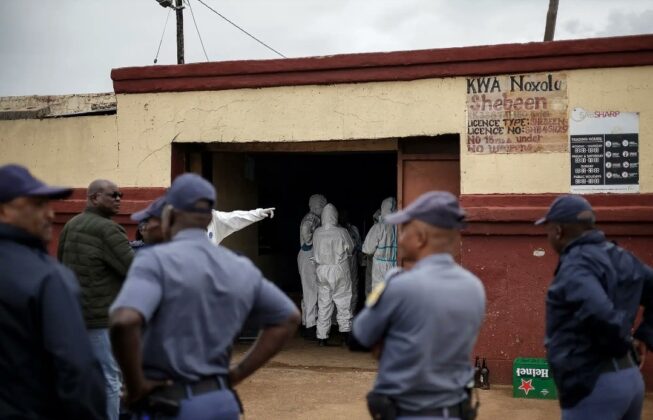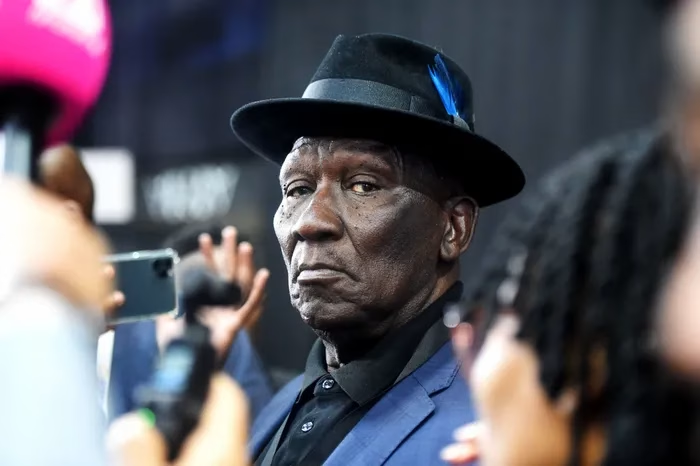
Secret Summit Uncovered: Cele and Matlala’s Zimbali Villa Meeting Sparks Outrage. Image Credit: The Post
Secret Summit at Zimbali Villa Raises National Alarm
(The Post News) – Secret Summit allegations have shaken South Africa’s political and law enforcement circles, as former Police Minister Bheki Cele was reportedly seen meeting controversial businessman Vusimusi “Cat” Matlala at a luxury Zimbali villa just weeks before a R360-million tender was cancelled.
This secret summit took place on March 18 at a villa owned by Morgan Maumela, a businessman linked to R380-million in Tembisa Hospital contracts. The villa, located in KwaZulu-Natal’s Zimbali estate, became the backdrop of a meeting that has left citizens and opposition parties demanding answers.
The Secret Summit and Its Timing
The timing of the secret summit is critical. Weeks after the meeting, police chief General Fannie Masemola terminated Matlala’s lucrative health services contract, which had been under scrutiny for fraud and irregularities. According to investigative reports, WhatsApp messages show Maumela provided Matlala with an access code to the gated estate, who then shared the location with Cele.
Maumela insists he was not present during the meeting, claiming Matlala was simply looking for a hotel after a football match. However, News24 revealed inconsistencies in this claim since no match was scheduled on that day.
Political Fallout from the Secret Summit
The revelation of this secret summit has sparked public outrage. Bheki Cele confirmed that the meeting took place but said he was unaware that the house belonged to Maumela, who happens to be President Cyril Ramaphosa’s nephew. The president has denied having any personal knowledge of Maumela’s dealings.
Cele admitted to having a close relationship with Matlala only after leaving office, but critics argue that his prior approval of Matlala’s tender as police minister raises questions about conflict of interest and corruption.
Matlala’s Criminal Allegations
Vusimusi Matlala, now behind bars, faces serious charges including attempted murder, money laundering, and alleged involvement in a hit on his ex-girlfriend, socialite Tebogo Thobejane. Investigators discovered that Matlala and Maumela allegedly used shell companies to submit fake documents and bid against one another for lucrative hospital contracts.
This revelation adds another layer of controversy to the secret summit, suggesting that the meeting may have been more than a social gathering.
Impact on Government Credibility
The secret summit has put pressure on law enforcement and government institutions to restore public trust. The Hawks and the Special Investigating Unit (SIU) have been probing the Tembisa Hospital scandal for over three years, with findings pointing to widespread corruption involving multiple companies and government officials.
Transparency activists and watchdogs are now calling for a full parliamentary inquiry into Cele’s involvement. A recent report by Corruption Watch underscores the importance of holding public officials accountable when procurement processes are compromised.
Public and Media Reaction
Media houses have highlighted the secrecy surrounding the Zimbali meeting, framing it as a potential abuse of power. Public reaction has been swift, with citizens on social media demanding that government leaders step aside during investigations.
In addition, internal ANC critics argue that such secret summits damage the party’s image, especially ahead of upcoming elections. For more context on similar political scandals, readers can explore our exclusive coverage on procurement controversies
Why This Secret Summit Matters
This secret summit is not just about a meeting it highlights systemic challenges within South Africa’s procurement and policing systems. The link between a former minister, a tender boss facing criminal charges, and a businessman connected to major hospital contracts paints a worrying picture of governance and oversight.
A Test for Accountability
The Zimbali secret summit has now become a test case for South Africa’s justice system. If handled correctly, it could set a precedent for how corruption scandals involving high-profile individuals are addressed. If mishandled, it risks deepening public distrust in state institutions.
About the Author