Ireland RTÉ warned it will withdraw from Eurovision 2026 in Vienna if Israel is allowed to compete Image: Cedi Rates
(The Post News) – Ireland’s state broadcaster, RTÉ, has announced that it will boycott the Eurovision Song Contest 2026 if Israel is allowed to remain in the lineup. The decision adds further impetus to growing calls for Israel to be banned following the Gaza war and places further pressure on the European Broadcasting Union (EBU) to respond.
In a release on Thursday, RTÉ stated, “It is RTÉ’s view that Ireland will not participate in the 2026 Eurovision Song Contest if Israel’s participation proceeds, and the ultimate decision to participate will be made after the EBU makes its decision.”
The broadcaster had referred to involvement as “unconscionable in the light of the ongoing and appalling loss of life in Gaza.” It also raised “the targeted assassination of journalists, the denial of access to international journalists, and the fate of surviving hostages” as serious concerns.
RTÉ Boycott Calls in Europe
RTÉ is the second of the 37 broadcasters bidding this year to make entry conditional on excluding Israel, following Slovenia’s RTVSLO. Spain and Iceland are considering boycotts as well.
Spanish Culture Minister Ernest Urtasun declared last week that Spain “can’t normalise Israel’s inclusion in international events like it’s business as usual.” Spanish Prime Minister Pedro Sánchez already demanded Israel be barred, comparing it to Russia being barred in 2022 following the invasion of Ukraine.
Slovenia and Iceland have also threatened to do the same, with more than 70 former Eurovision contestants signing an open letter urging Israel’s expulsion by the EBU.
The EBU, which stages Eurovision, has extended the conventional October deadline for broadcasters to confirm until December. Demonstrations on recent events in Basel and Malmö forced organisers to provide members with extra time to determine whether they are participating.
Martin Green, the Eurovision Song Contest’s Director, has said, “It is up to each member country as to whether or not they want to take part in the competition and we would respect any decision made by broadcasters.”.
Artists and Public Voice Responds
Irish musician Phil Coulter, who wrote Eurovision-winning tunes in collaboration, expressed support for RTÉ and urged the BBC to do the same. “The honourable thing to do is withdraw if Israel gets to perform,” he told BBC Radio Ulster.
Irish Eurovision winner Dana asked for a “safe space” for music, reminding listeners that Eurovision was created after the war to promote unity.
Israel’s public broadcaster Kan has already committed to Vienna 2026 despite falling victim to political criticism from Prime Minister Benjamin Netanyahu, who threatened to privatize the station.
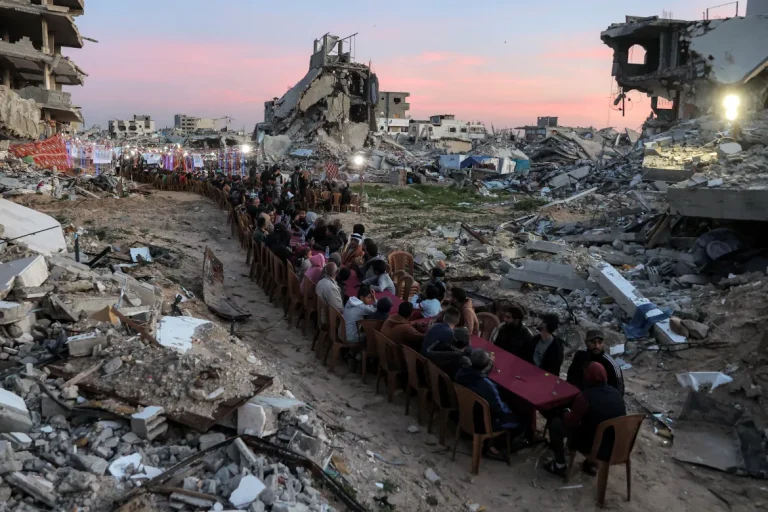
Israel is facing mounting international criticism following UN officials and the International Court of Justice pronouncing that the military campaigns in Gaza by Israel could be equivalent to genocide. Aids agencies warn of famine in the enclave.
With broadcasters at odds and governments issuing statements, Eurovision 2026 may become the most politicized contest in history. Whether Ireland, Spain, Slovenia, and Iceland carry out their boycott threats depends on the December decision of the EBU regarding Israel’s participation.
About the Author