EU Commission proposes suspending trade ties and sanctioning Israeli ministers amid Gaza crisis. Image: Hirachi.
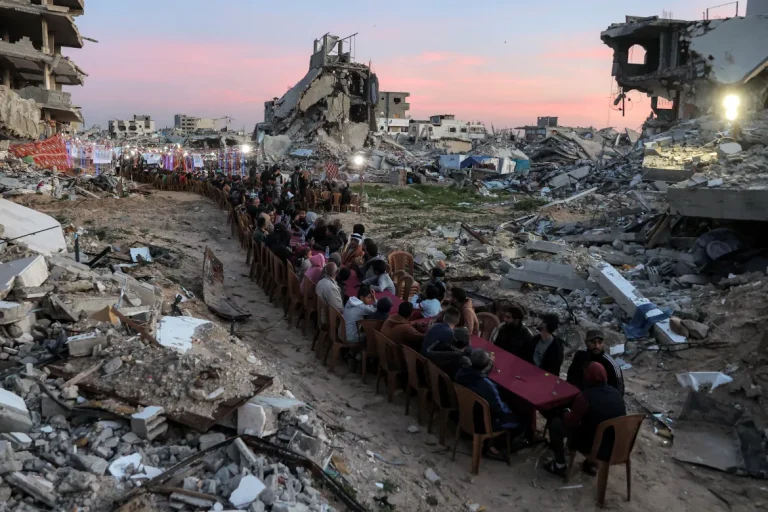
(The Post News)– The European Commission has made its strongest reaction to Israel so far, calling for the suspension of preferential relations and sanctions on two of the right-wing ministers of Israel in reaction to the worsening humanitarian situation in Gaza.
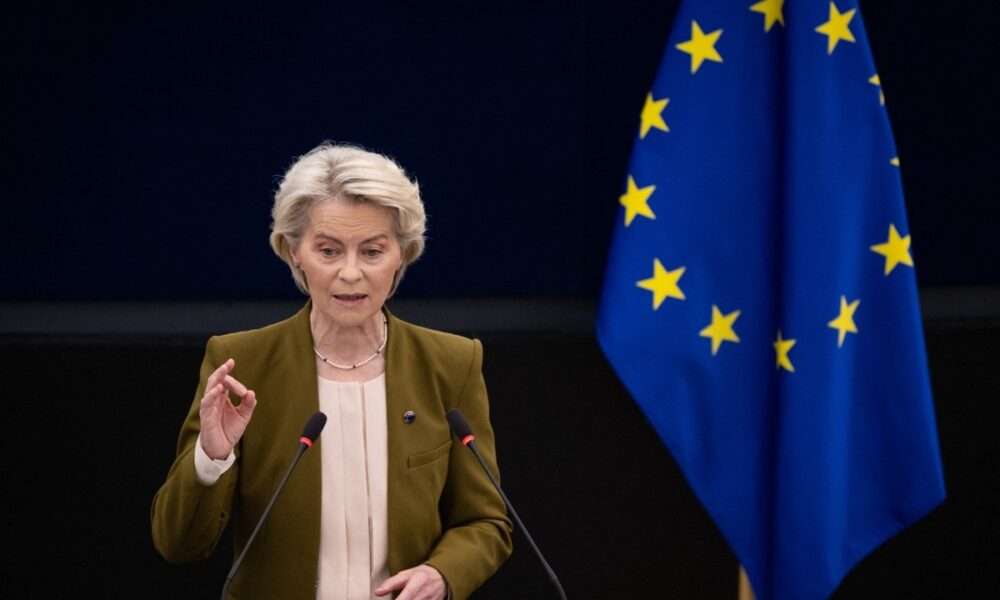
Commission President Ursula von der Leyen first proposed the plan last week amid increasing pressure on Brussels to make its economic heft count. The plans, outlined on Wednesday, would suspend trade-related provisions of the EU-Israel Association Agreement and restore tariffs on billions of euros’ worth of Israeli exports.
Trade commissioner Maroš Šefčovič said the plan would place Israel on a level playing field with non-partner states that sell goods to the EU. “We are sorry to have to do this. But we think it is appropriate and proportionate in light of the humanitarian crisis unfolding in Gaza,” he said.
Targeted Sanctions on Israeli Ministers and Hamas Leaders
Along with trade sanctions, the Commission demanded sanctions against Israeli ministers Itamar Ben-Gvir and Bezalel Smotrich, who have both encouraged settler violence in the West Bank. Ten top Hamas officials also form part of the package. Israeli Foreign Minister Gideon Sa’ar denounced the proposals as “morally and politically distorted” and warned on X that they would damage Europe’s own interests.
The measures come after Israel’s continued military offensive in Gaza City. Nearly 65,000 Palestinians have died since the start of Hamas’s 7 October 2023 attack on Israel that resulted in the deaths of 1,200 Israelis and 250 who were taken as hostages. The UN voted for a go-ahead on the two-state solution with an overwhelming 142 yes to 10 no and 12 abstentions. Von der Leyen, speaking to parliamentarians last week, said that images of famine and dead civilians on a mass scale “have shaken the conscience of the world” and claimed that “man-made famine can never be a weapon of war.”
But adoption of the proposals is in doubt. Trade restrictions require a qualified majority of EU nations, but sanctions need a unanimous vote. Germany and Italy have historically objected to punitive economic action against Israel, but others, such as Spain, Ireland, and Belgium, are calling for stronger action.
EU foreign policy chief Kaja Kallas identified the deadlock. “Whereas public opinion within member states is actually shifting as a result of the agony of Gaza … At a political level, the positions are very much where they have been thus far,” she said. Hungary, a close ally of Benjamin Netanyahu’s government, has previously vetoed sanctions on Israeli settlers and can potentially veto this new package.
The EU is Israel’s biggest trading partner, accounting for 32% of its world trade in goods, amounting to €42.6 billion in 2024. The denial of tariff preferences would target €5.8 billion worth of Israeli exports at a cost to exporters of some estimated €227 million annually. Despite this, the economic price tag is said to be small compared to the political message it would send.
Wider European Moves
Spain already cancelled nearly €1 billion worth of Israeli defense contracts and promised to boycott Eurovision if Israel participates. While on the 2nd of September, Belgium declared that it would accept Palestine when hostages are released and Hamas leaves Gaza.
However, Kallas rejected cultural boycotts. “All these measures that are going in the direction of sanctioning the Israeli people, I believe, are inappropriate, and we are not advocating them,” she declared. The Commission’s package now goes to EU governments for a decision, with no vote planned.
About the Author