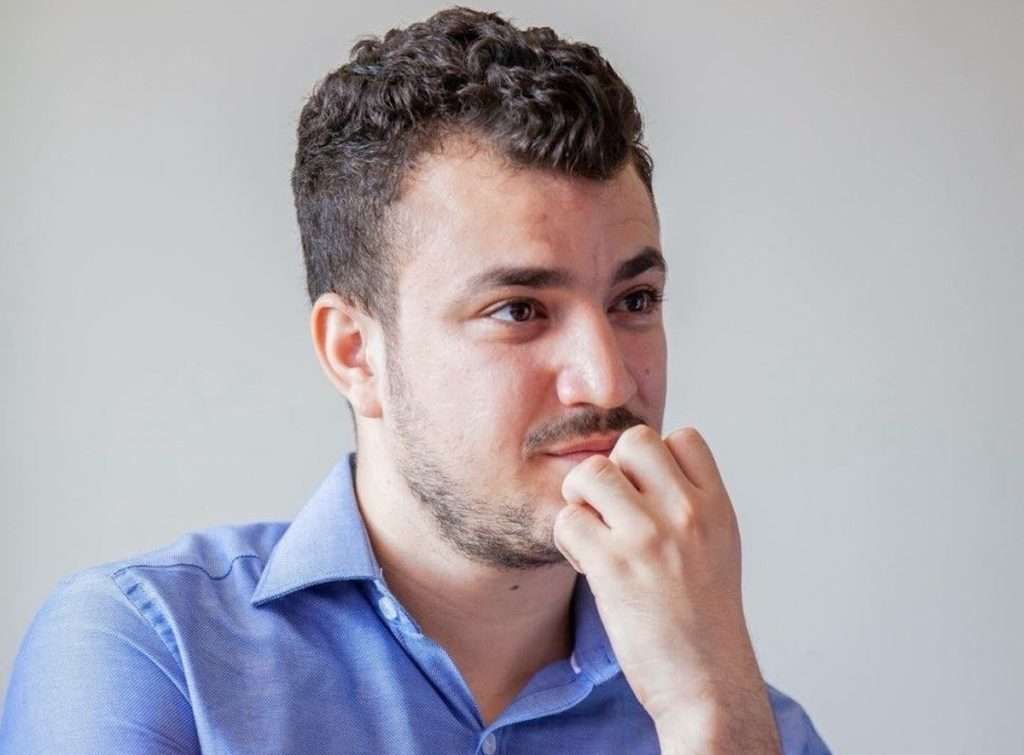
Mahmoud Khalil, a Palestinian Activist faces deportation after leading U.S. campus protest against Israel. Image credit: Mondoweiss
(The Post News) – Palestinian activist Mahmoud Khalil is fighting a second deportation order just months after his release from federal immigration detention, in a case that has ignited free speech, U.S. foreign policy, and political retaliation controversies.
On Sept. 12, Immigration Judge Jamee Comans ruled Khalil “willfully misrepresented” facts on his application for a green card. He directed that he be deported to Algeria, his country of citizenship, or alternatively Syria, where he was born in a refugee camp.
Khalil, 30, claims innocence and insists that any inconsistencies on his immigration papers were inadvertent. His attorneys immediately declared their plans to appeal, but they acknowledge the challenge that will face them in a right-of-center federal appeals court.
Trump Admin Crackdown
Khalil, a former Columbia University graduate student, was one of the most vocal leaders of pro-Palestinian protests on American campuses following the start of Israel’s war in Gaza. His March arrest, inside his New York campus apartment, was seen as part of President Donald Trump’s swift crackdown on Palestinian activism.
Federal officials accused Khalil of offering support for “pro-Hamas activity,” something he adamantly denies. The government has never presented any evidence he is a member of Hamas, and his supporters claim the accusations are designed to suppress his political rhetoric.
“This is responding to exercising my free speech,” Khalil stated in a statement, calling the process a “kangaroo court.” He vowed he will continue to advocate for the rights of Palestinians even in the face of deportation.
Although the decision by Judge Comans is a big setback, Khalil cannot be deported. An injunction by U.S. District Judge Michael Farbiarz in New Jersey bars his deportation until his civil rights case is resolved. Khalil is suing the Trump administration for $20 million for false imprisonment, malicious prosecution, and political retribution.
His attorneys warned this week that Farbiarz’s injunction will shortly be “the only meaningful barrier” to his deportation. Oral arguments in the case can begin as early as next month.
Khalil’s Safety Risks
Deportation would put Khalil in danger of death, his attorneys argue. He was compelled to flee Syria in 2013 for joining anti-President Bashar al-Assad demonstrations and later settled in Lebanon before entering the U.S. in 2022.
He is married to a United States citizen, and his young son, born while Khalil was in federal detention this year, is an American citizen. His attorneys argue that his stable family connection and spotless record should save him from deportation.
Judge Comans dismissed those arguments, saying Khalil’s “limited family ties” were insufficient to outweigh supposed misrepresentations on his immigration paperwork.
The Department of Homeland Security insists Khalil’s case is immigration fraud, and not a political one. “It is an honour to receive a visa or green card to live and study in the United States,” said DHS Assistant Secretary Tricia McLaughlin. She added that the court ruling indicates the government will “continue to fight to vindicate these important principles.”.
Civil rights organizations are at odds, warning the case is a poor precedent. Jewish and Palestinian activist communities have rallied on Khalil’s behalf, asserting that it is not antisemitic to criticize Israel and can in no way be used as grounds for persecution.
If the appeal fails, Khalil will have his permanent residency revoked, and into exile he might well go. His future rests with the federal courts for now.
Despite the uncertainty, Khalil insists he will not back down. “These fascist methods of oppression will never discourage me from continuing to ask for the freedom of my people,” he said.
About the Author