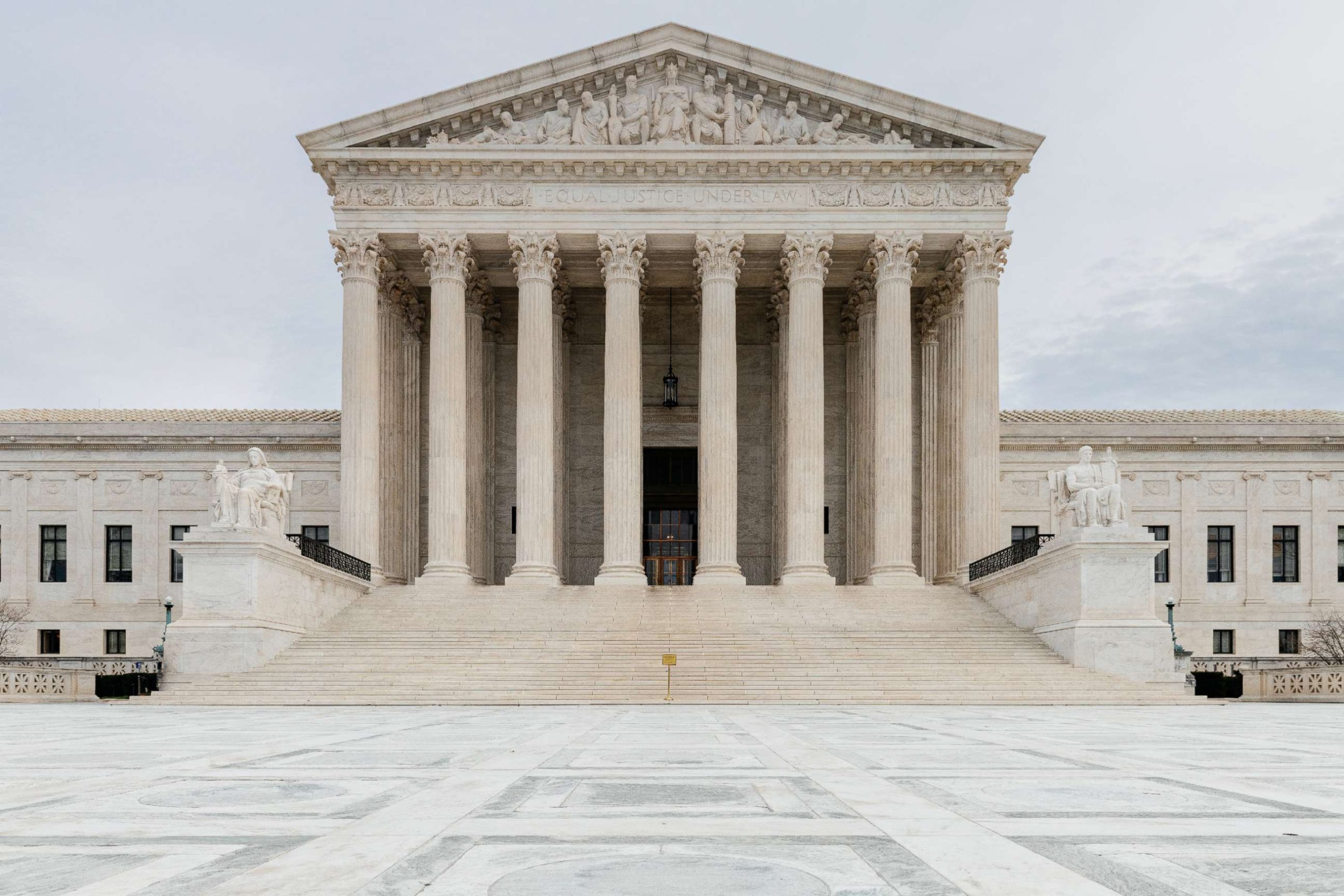
Lisa Cook stays on the Federal Reserve Board as the Supreme Court delays Trump's removal attempt. Image credit: ABC News.
(The Post News) – The U.S. Supreme Court on Wednesday decided that Federal Reserve Governor Lisa Cook will continue to sit on the central bank board as justices hear President Donald Trump’s challenge to her removal. The hearing is set for January 2026.
The action foils Trump’s attempt to summarily fire Cook, the first Black woman to serve as a Fed governor. Trump accused Cook of fraud in mortgages prior to becoming a member of the Fed in 2022. Cook claims innocence and states that the attempt to terminate her is a violation of her legal protection.
Trump’s Challenge to Fed Independence
Trump argued that presidents must have broad authority to fire Fed governors “for cause.” He asserted that Cook’s perceived wrongdoing deserved removal. No president has ever tried to remove a Fed governor since Congress chartered the central bank in 1913.
In August, the administration was sued by Cook, alleging Trump’s move threatened the independence of the Fed. Lower courts agreed, issuing an injunction that prevented the removal of her office. Trump appealed, but the Supreme Court declined to back him for now.
Competing Views Before Court
The Justice Department argued the president requires power to remove Fed officials who misled the public. “The President reasonably may believe that interest rates cannot be set by a Governor who misled people about her mortgage,” government lawyers argued.
Trump’s attorneys were warned by lawyers representing Cook that his argument would “eviscerate the Fed’s independence” and allow future presidents to employ monetary policy for political purposes.
18 Republican and Democratic past Fed officials and Treasury secretaries, including Ben Bernanke, Janet Yellen, and Alan Greenspan, filed a brief that asked the Court to stop Trump’s action. They asserted that the ousting of Cook would destabilize markets and damage public trust.
The fight highlights Trump’s war against the Fed, which controls interest rates without input from the White House. Trump has repeatedly demanded lower borrowing costs and irately criticized Fed Chairman Jerome Powell.
Cook, who remains until at least 2026, will vote in upcoming Fed meetings on whether to continue lowering rates as hiring slows.
The Court’s January hearing could set a precedent on the extent to which presidents can control the Federal Reserve, and could have implications for U.S. and global markets.
About the Author